




01 Apr 2026


How can AI bridge the gap between visionary ideas and tangible outcomes? How can it help us address pressing global issues such as climate change, urbanisation, and resource scarcity? And how do we ensure that AI-driven solutions remain human-centric, ethical, and sustainable?
Held on 26th - 27th March at Xi’an Jiaotong-Liverpool University, the second edition of xArch Symposium shifted its focus from exploring AI as a source of creative inspiration to examining its role as a practical, problem-solving partner in design and architecture.
This year, the symposium invited architects, designers, engineers, and thinkers to explore the practical applications of AI in shaping the built environment.
In particular, it took an interest in contributions that demonstrate how AI can move beyond theoretical potential to deliver actionable, real-world solutions, aiming to unlock the full potential of AI to create a more sustainable, equitable, and innovative built environment.
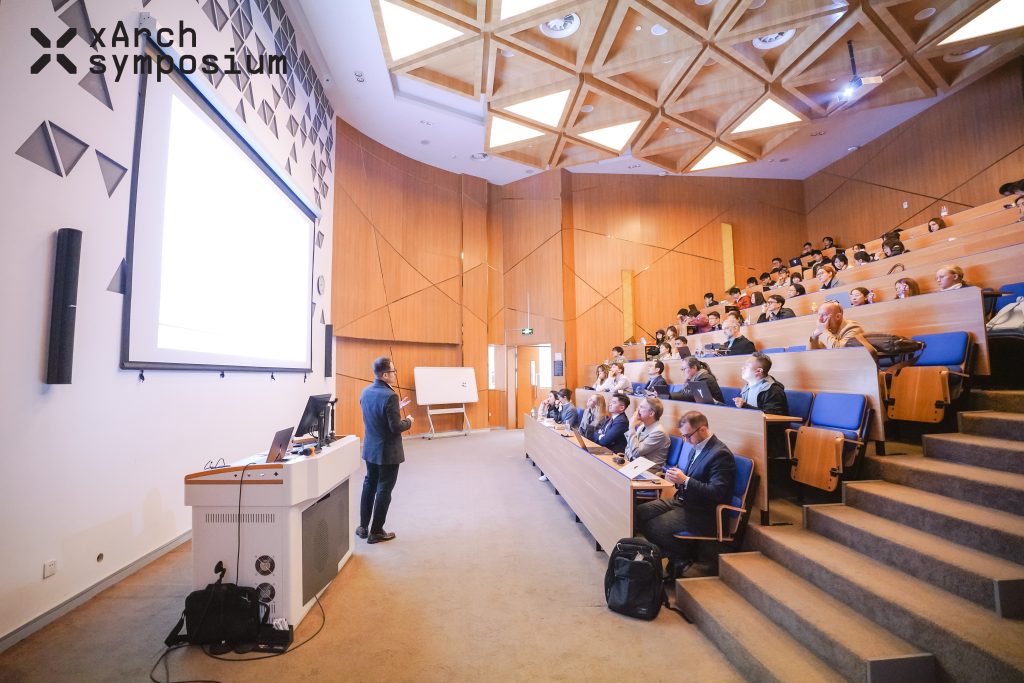
Professor Zhoulin Ruan, Vice President for Academic Affairs of XJTLU, opened the symposium by marking the 20th anniversary of XJTLU and highlighting the Department of Architecture as a premier model of the university's partnership with the University of Liverpool.
“Over the past 20 years, XJTLU has grown into a pioneering international joint venture university in China, pioneering in education innovation. Today, we are delighted to bring together architects, designers, engineers, and researchers to explore the future of building environments through dialogue and collaboration.
“The theme of this year's symposium raises an important question: How can AI move beyond inspiration to become a practical partner in design and architecture? It requires us to think carefully about how AI can be used and for what purposes. This is not only a technical issue, but also an academic and a societal one.”
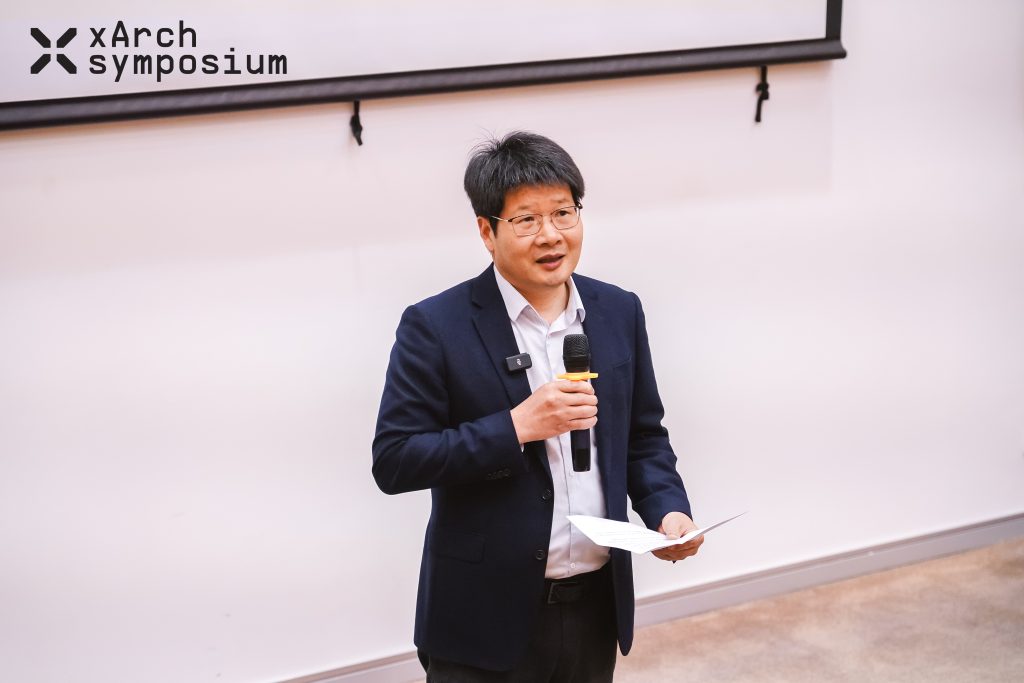
Professor Zhoulin Ruan
Professor Konstantinos Papadikis, Associate Vice President for Education of XJTLU, emphasised how AI is currently reshaping the university’s internal educational strategies.
“AI is transforming the educational landscape. The bigger creative disciplines, like architecture, will not remain unharmed. We face the risk that human creativity will be threatened if we do not provide the right educational model for our students.
“Today coincides with the official launching of the action platform of the ‘Education Plus AI’ strategic plan in XJTLU. We are going to announce the launch of the EASE Fund - the Education plus AI Sprint Enablement Fund - that basically invites all of our colleagues to participate in this big brainstorming exercise on how we can redesign our education, our learning, and our assessment.”
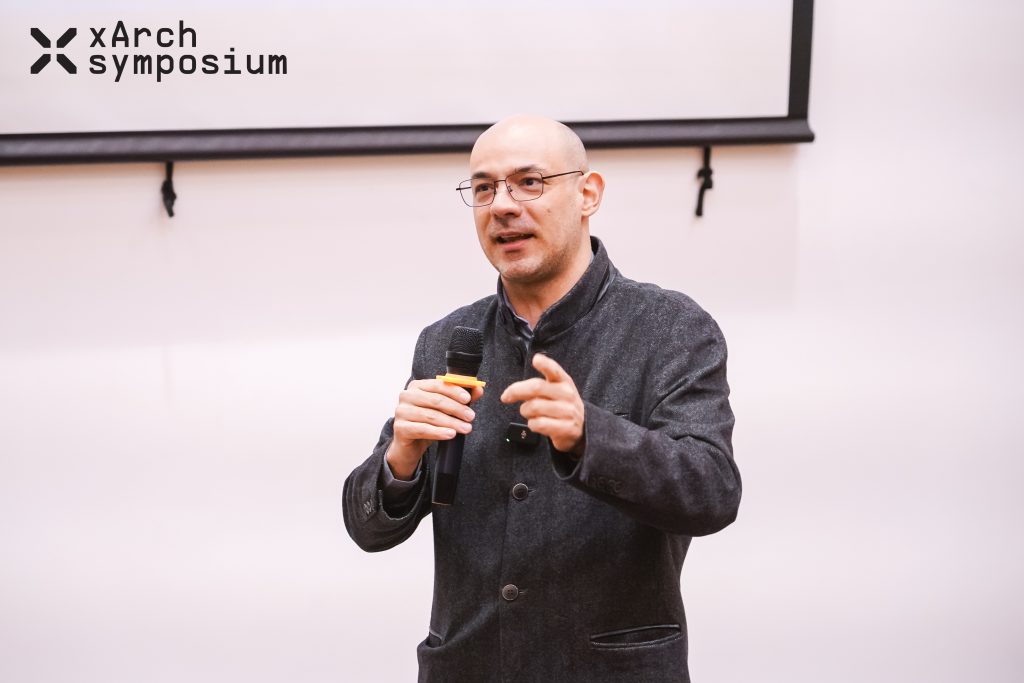
Professor Konstantinos Papadikis
Professor Marc Aurel Schnabel, Dean of XJTLU Design School, welcomed the audience to the School. He emphasised that technology should be viewed as an integrated partner in the creative process rather than a final destination.
“For us, technology is a partner in the whole design process; it is something we engage naturally. Think about what your contribution is and be part of the discussion, because here at XJTLU Design School, we want to lead the discussion and set the trend and the directions for the next couple of years.”
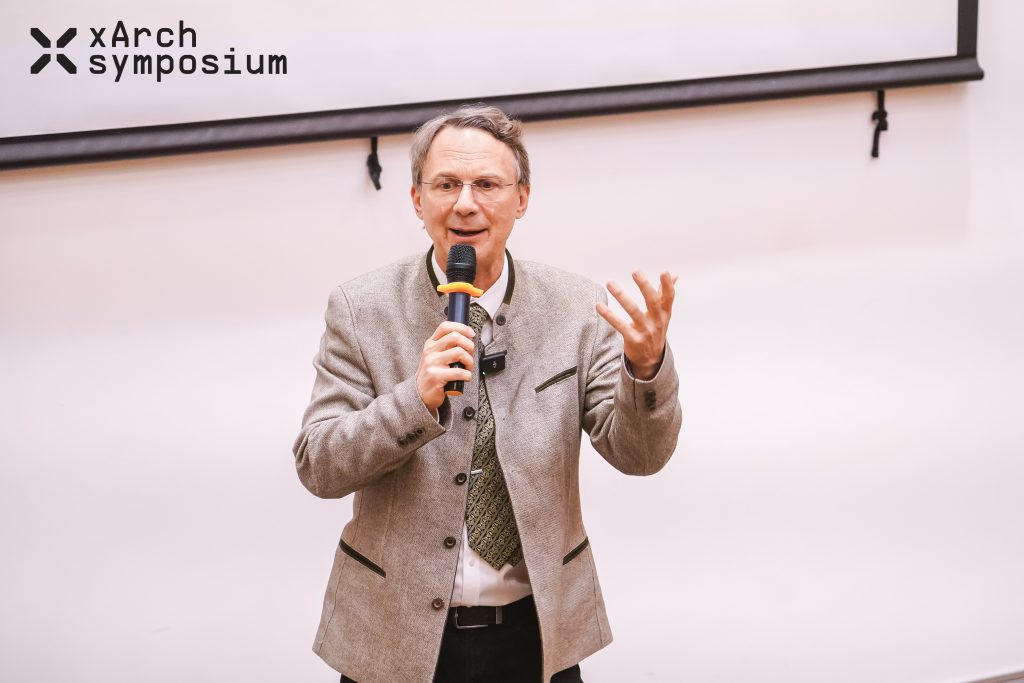
Professor Marc Aurel Schnabel
The symposium invited three renowned keynote speakers to share their insights. Professor Peng Tang, Director of the Department of Architecture at Southeast University and Executive Chief Editor of Frontiers of Architectural Research, presented on “Chinese Approaches to Heritage Conservation in the Digital Age,” offering deep insights into preserving cultural heritage through modern computational methods.
Taking Gu’nanjie Historic Block, located in Dingshu Town, Yixing City, as an example, she introduced how digital technology was employed to intelligently repair damaged building facades and address the absence of building groups.
“By utilising the digital technology, we were able to translate the traditional technologies into current design and projects, ensuring that AI becomes a practical partner in shaping a more sustainable and equitable built environment,” she said.
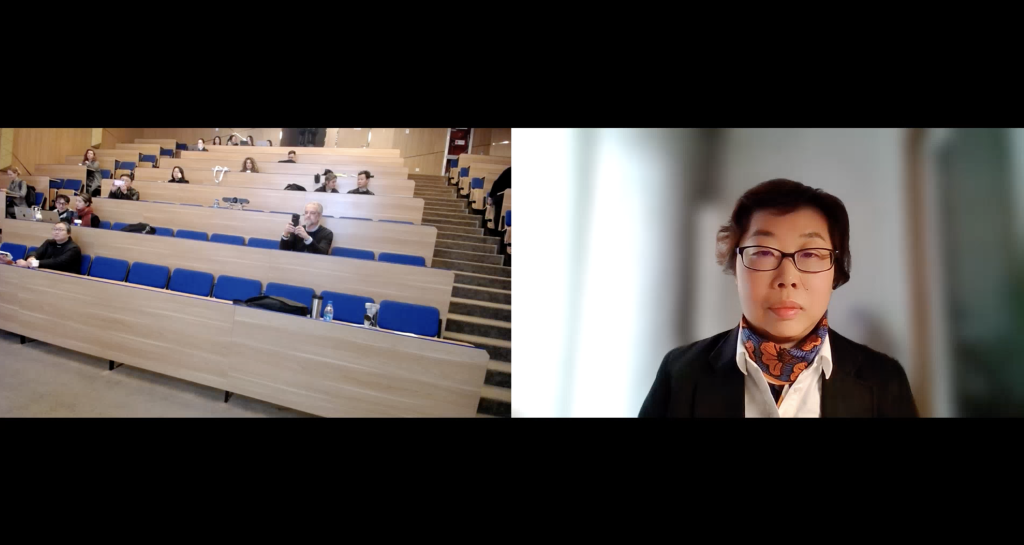
Professor Peng Tang delivers the keynote speech online
Aldo Sollazzo, an accomplished Italian entrepreneur and technologist specialising in robotics and computer vision, delivered a keynote titled “The Ethical Integration of AI for Inclusive Progress”, tackling the responsibility of ensuring technology serves humanity’s best interests.
“The transformative role of AI and advanced technologies is to expand human intelligence, allowing us to interpret, simulate, and reimagine the systems we inhabit.
“The real challenge is no longer about technological capacity, but about how we integrate these tools ethically and culturally, ensuring that innovation supports inclusivity, sustainability, and tangible improvements in how we design, produce, and live,” he said.
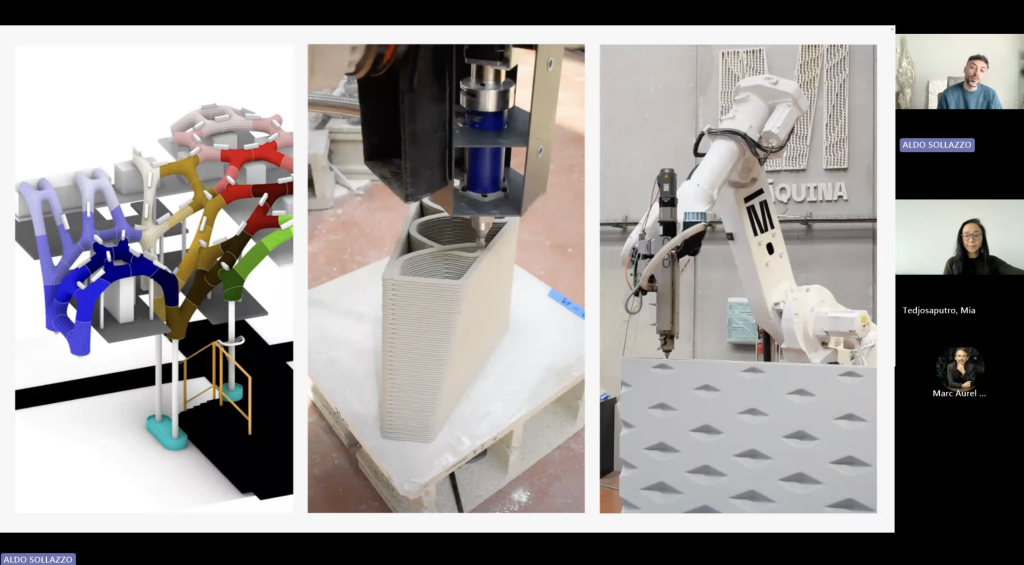
Aldo Sollazzo delivers the keynote speech online
The final keynote was delivered by Professor Gennaro Senatore, Head of Research in Adaptive Structural Systems at the ILEK University of Stuttgart, who discussed “Recent Advances in Design of Adaptive Structures: From Active Control towards Intelligent Structural Synthesis”.
He highlighted how integrating AI with structural mechanics enables cross-scale generalisation and the discovery of highly efficient configurations that significantly extend the service life of infrastructure.
“We are entering a stage where structures will not only respond to loads but will infer their effects and adapt accordingly; the fusion of mechanics and data-driven design will play a defining role in the next era of structural design,” he said.
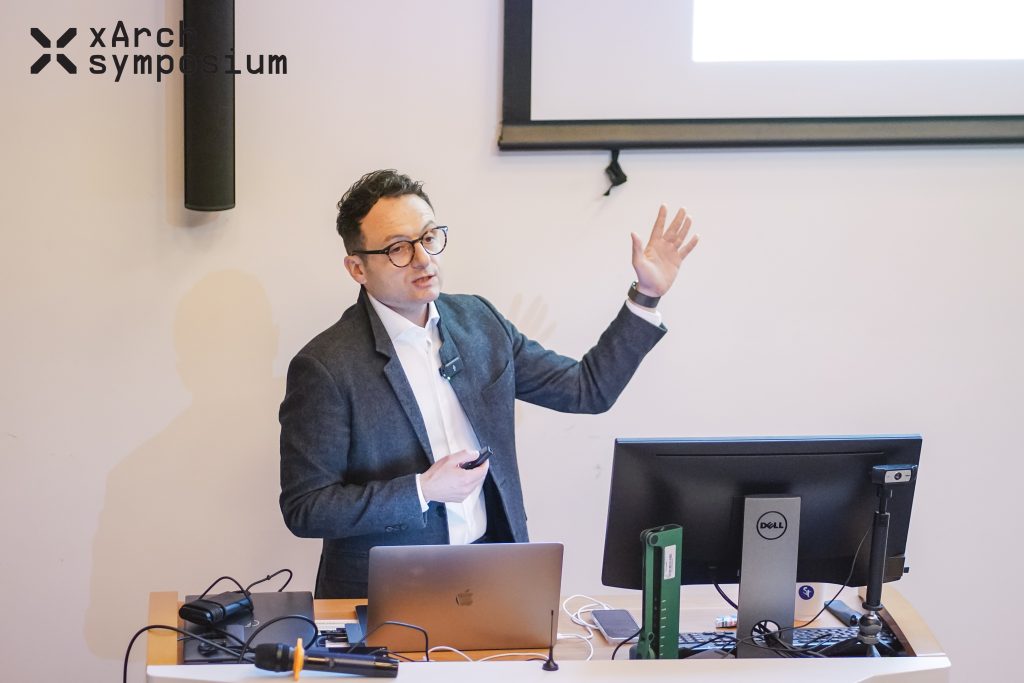
Professor Gennaro Senatore
Other than the keynote speeches, there were six parallel sessions that explored topics including AI in sustainable design, generative design for real-world challenges, AI-driven construction, human-AI collaboration, ethics and responsibility, case studies and real-world applications, and AI in higher education.
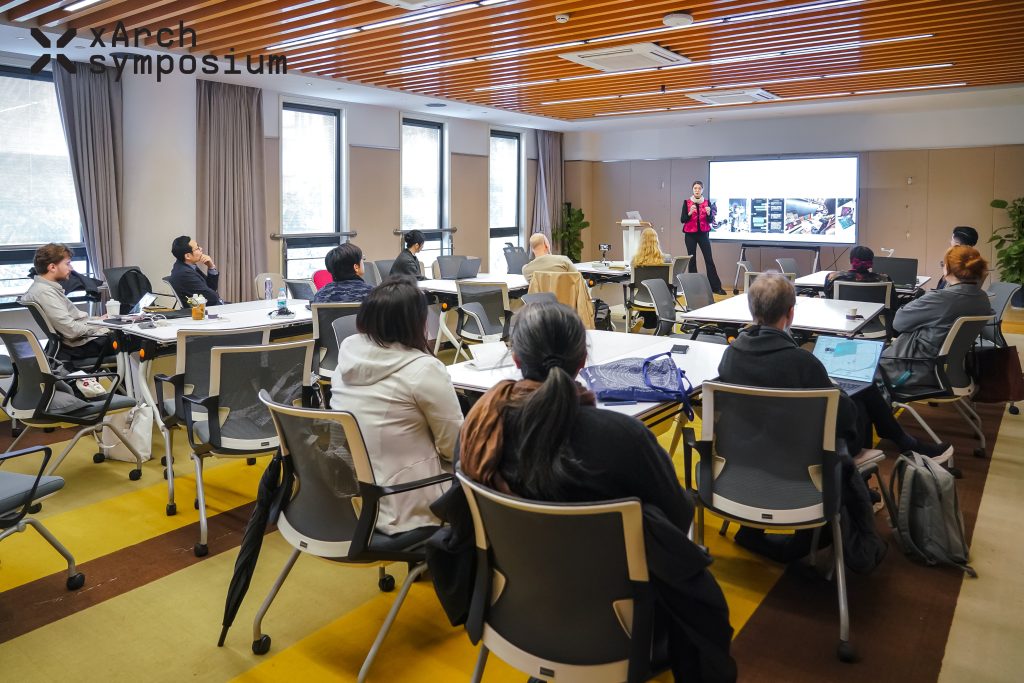
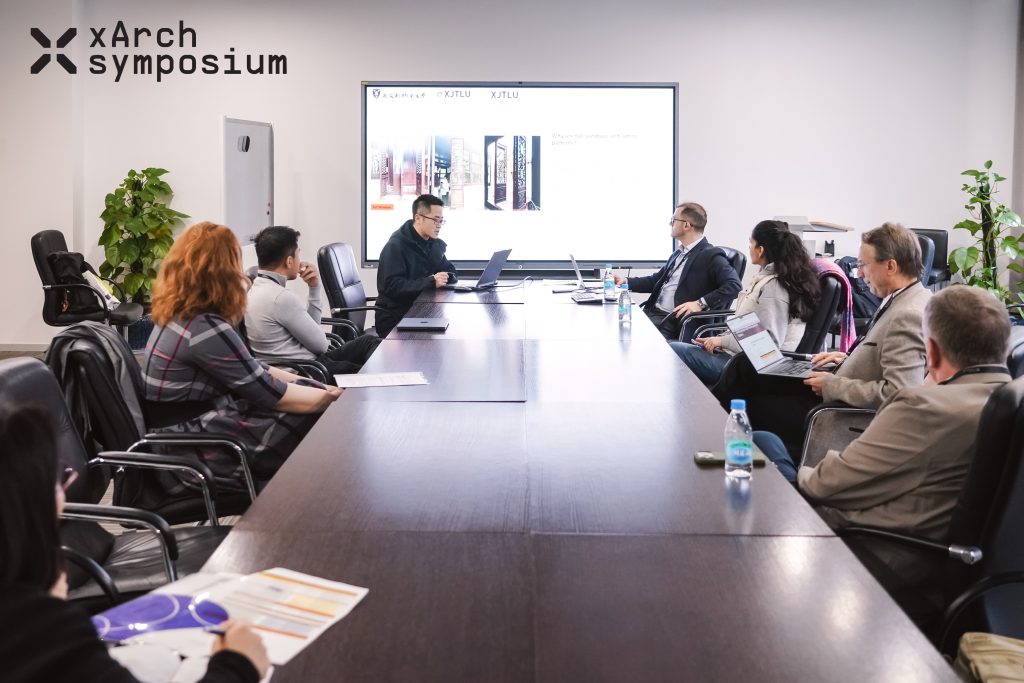
As the symposium concluded, XJTLU will continue to explore how AI can serve as a bridge between the digital and physical worlds, shaping a future in which technology and creativity converge to deliver real solutions to the challenges of today and tomorrow.
By Yi Qian
01 Apr 2026