






21 May 2026


The global design education community gathered in Greece this month to map out the future of the discipline amidst rapid technological and social transformations. Hosted at the Moschato Campus of the University of West Attica from 5 to 9 May 2026, the Cumulus Athens Conference 2026, themed “Roots/Routes in Design”, brought together international scholars, researchers, and practitioners. The event served as a critical platform for addressing contemporary challenges in design education, research, and practice, highlighting the evolving boundaries of the field.
Representing the Department of Industrial Design at Xi’an Jiaotong-Liverpool University, Dr Mariia Zolotova, actively participated in the conference in multiple capacities. Dr Zolotova’s engagements included presenting co-authored research on human-AI collaboration, chairing a doctoral session on inclusivity, co-leading an international workshop on curriculum innovation, and participating in high-level governance and humanitarian design forums.
Reflecting on the five-day event, Dr Zolotova said that her attendance at the Cumulus Athens Conference was highly productive.
“It allowed me to disseminate my research, contribute to the development of early-career scholars, lead a working group on curriculum innovation, participate in association governance, and engage in critical dialogue on design for peace.”
In the Knowledge Systems track, specifically "Knowledge Systems, Design Methods in an AI-Mediated Era: Histories and Futures (KS1)", Dr Zolotova presented a paper titled (Re)Discovering Empathetic Roots: A Balanced System for Human-AI Co-Design. Co-authored with Kimvi Nguyen from the Institute of Creativity and Innovation in Xiamen, China, the study originates from the SURF 2025 project, "Empowering Vision".
The research addresses how structured empathy can help designers produce better outputs for their users. The presentation examined empathy not as an abstract soft skill but as a structured, teachable framework that interfaces with design methods. The framework structures empathy into cognitive, affective, and somatic, and provides an example of how AI could play a role in developing and applying research tools within this framework.
A major highlight of XJTLU’s contribution was the leadership and coordination of the Cumulus Working Group FINDER (Future of Industrial Design Education and Research) workshop, titled Designing the Missing Module. Co-led by Dr Zolotova and her XJTLU colleague, Emanuela Corti, the workshop represented a continuous international initiative launched online in 2022 at the Cumulus Detroit conference under the co-leadership of Massimo Imparato and Dr Zolotova.
The 2026 session targeted two key areas identified through a prior survey: Systems Design and More-than-human Design. The session structure included a 60-minute group activity dedicated to designing missing curriculum modules, followed by 45 minutes of presentations and peer discussions. To enrich the academic dialogue, four international experts were invited to facilitate the tracks:
System Design
- Miaosen Gong(Jiangnan University, China) – Associate Professor, DESIS Lab director, 15+ years in strategic design for sustainability & social innovation.
- Aylin Kayser(Germany) – Practitioner and Part-time educator, transformation designer working at the intersection of space, culture & systems thinking.
More-than-human Design
- Enza Migliore(SUSTech, China) – Assistant Professor, design researcher exploring eco-intelligence, bio-innovation & more-than-human interactions.
- Liliana Del Villar Arias (EDINBA, Mexico) – Professor, sustainability policy specialist integrating design, environmental law & biodiversity.
The workshop secured 12 official registrations and generated tangible, open-source outputs. These curriculum modules are scheduled to be digitised and distributed to all participants, reinforcing XJTLU's commitment to driving open-access educational resources on a global scale.
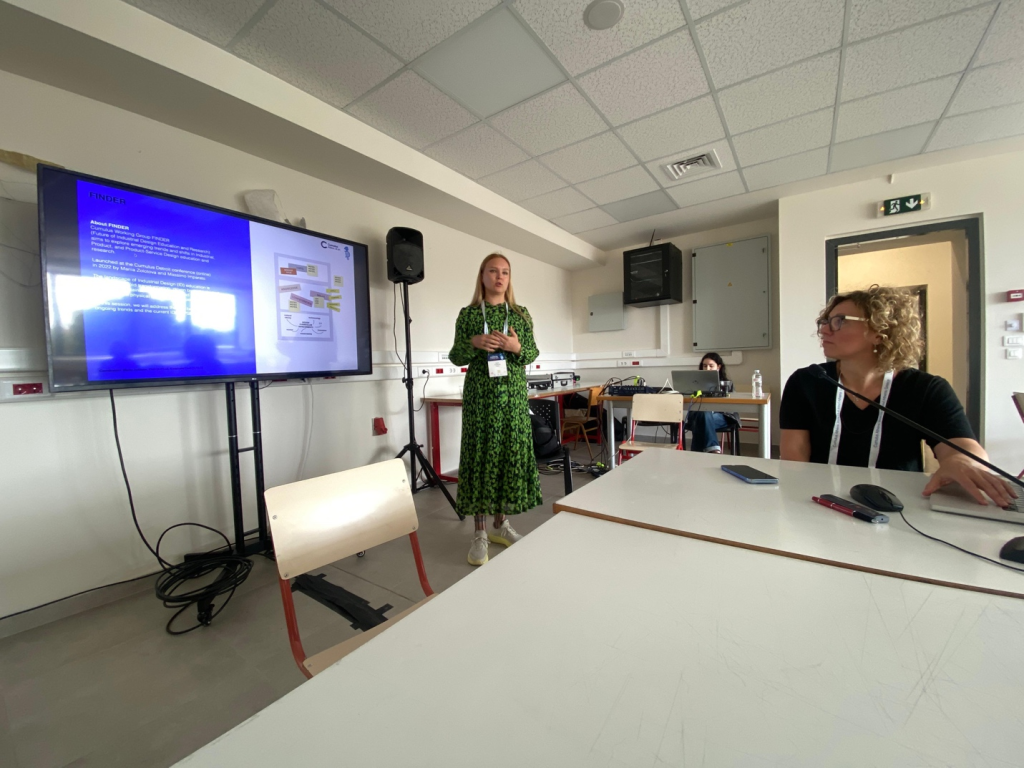
FINDER introduction
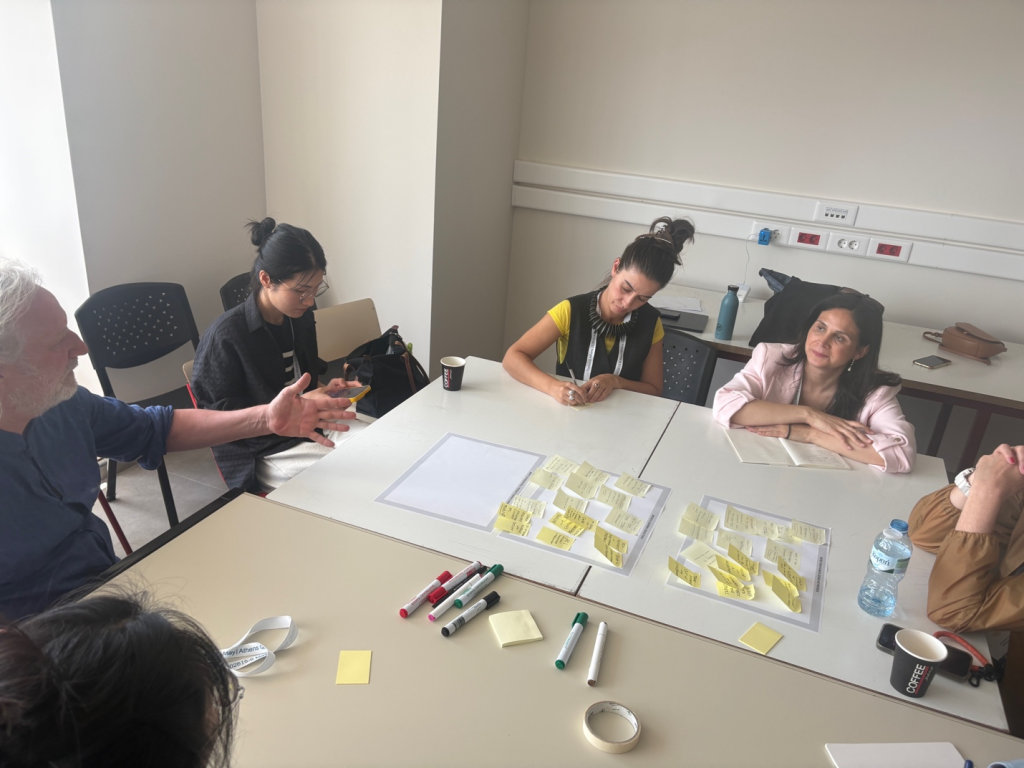
FINDER Group Activity (More-than human Design)
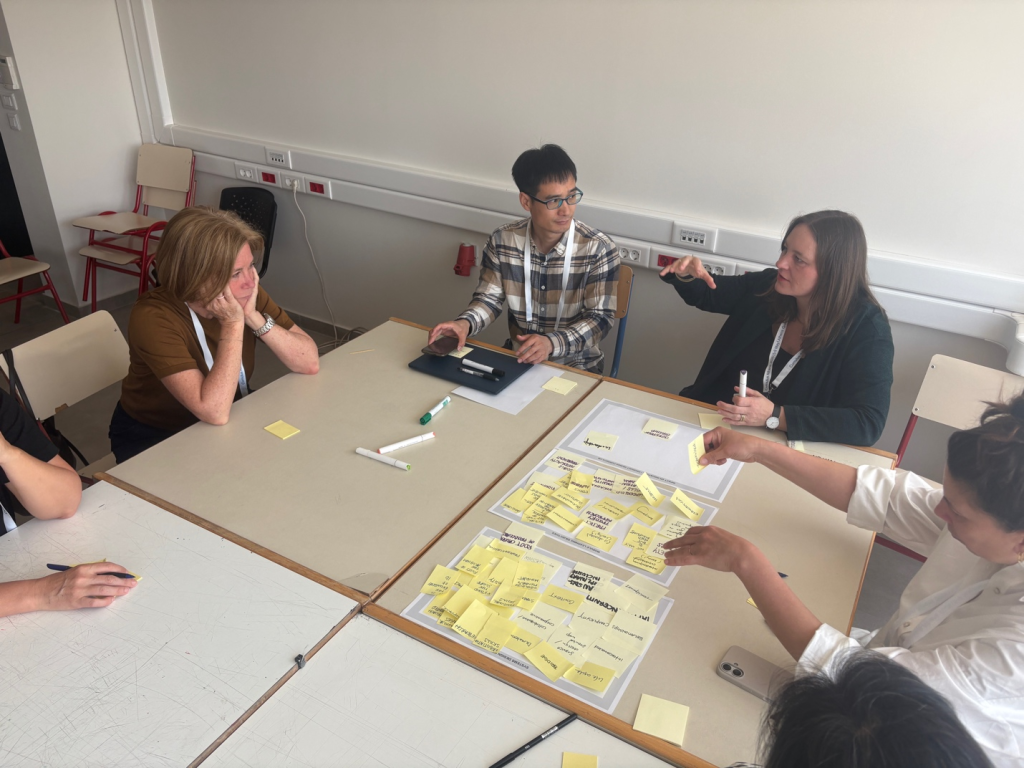
FINDER group activity (System Design)
The Cumulus General Assembly, as the primary governance meeting for the Cumulus Association, reported on strategic plans, financial matters, and leadership transitions, whilst welcoming new institutions into the fold. The assembly also officially confirmed the locations for the upcoming Cumulus conferences: Dunedin, New Zealand (November 2026); Glasgow, United Kingdom (Spring 2027); and Rio de Janeiro, Brazil (Autumn 2027).
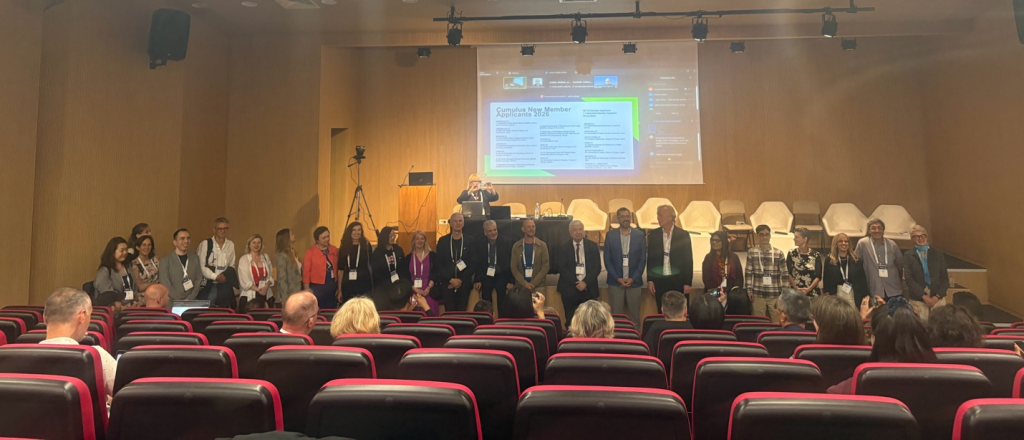
General Assembly welcoming new Cumulus members
Dr Zolotova further extended her participation to social and humanitarian issues by joining the Design for Peace workshop. Organised by the DESIS Network, the session was led by Cumulus Board members Teresa Franqueira (Portugal) and Associate Professor Miaosen Gong (China), with foundational support from the creator of the DESIS Network, Professor Ezio Manzini.
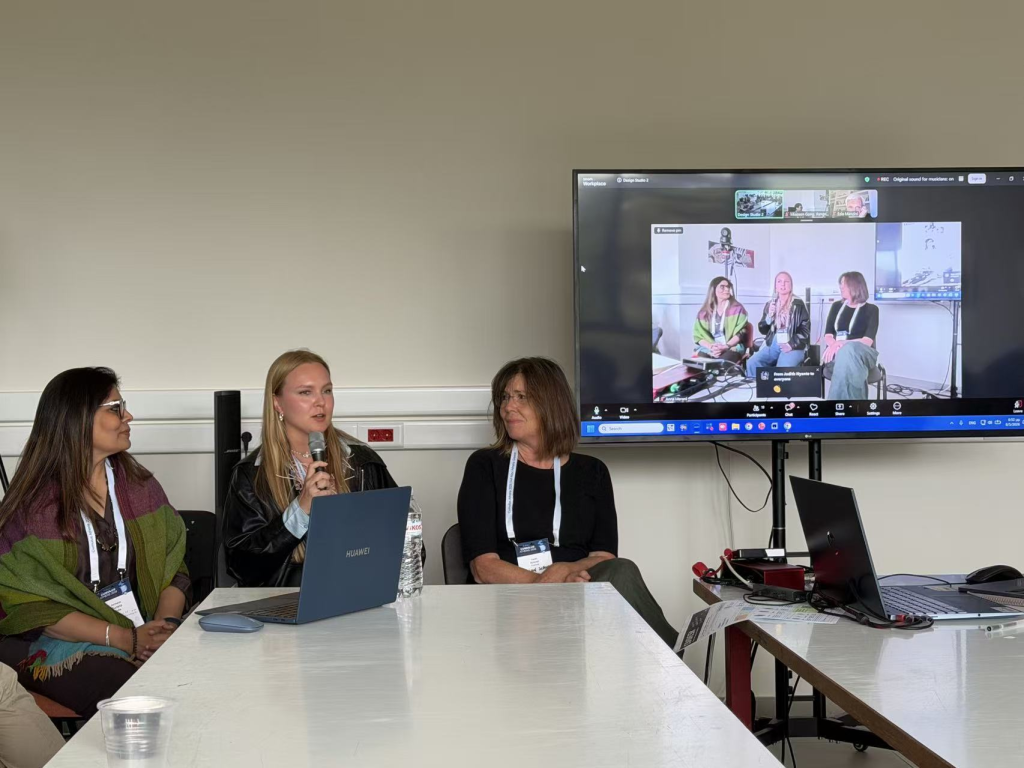
Design for Peace workshop
During the workshop, Dr Zolotova contributed her perspective on the specific forms of assistance required during times of conflict, drawing directly from observations and professional experiences. The collective discussion underscored the critical responsibility of design researchers and educators in formulating structured responses to ongoing global humanitarian crises.
21 May 2026