




Find a way through: Former XJTU Party Committee Secretary on the founding of XJTLU

20 May 2026


One day in 2004, in the office of a Vice Minister of Education, a talk that would shape the future of Xi’an Jiaotong-Liverpool University (XJTLU) entered its final stage.
The meeting lasted the entire afternoon. Present were Xinsheng Zhang, Vice Minister of Education responsible for international cooperation; Professor Jianhua Wang, Party Committee Secretary of Xi’an Jiaotong University; Professor Youmin Xi, Vice President of Xi’an Jiaotong University; and Professor Sir Drummond Bone, Professor and Vice-Chancellor of the University of Liverpool. At the centre of the talk was one question: Could all XJTLU undergraduates receive a University of Liverpool degree upon graduation?
At first, the University of Liverpool would not give way. The University followed a strict quality assurance system, and it was not yet fully confident that a university jointly established in China could meet the standards of UK higher education.
As someone who was directly involved in the negotiation, Professor Wang knew clearly what was at stake. “Enabling XJTLU graduates to receive both Chinese and UK degrees was one of the most important preconditions in the early days of the University,” says Professor Wang. “If this issue could not be resolved, every step afterwards would be difficult.”
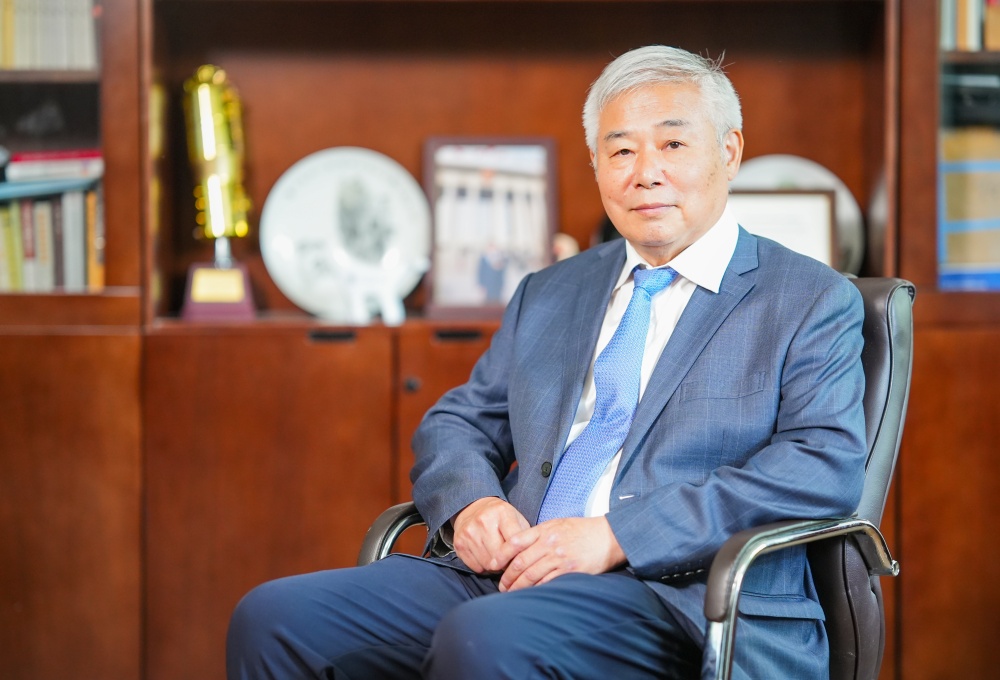
Professor Jianhua Wang in his office at Xi’an Jiaotong University in 2026
Professor Bone was about to catch his flight. Before leaving, suitcase in hand, he promised that he would do everything he could to persuade the board after returning to the UK.
“XJTLU was among the first international joint-venture universities formally approved in China. It set a precedent, and there were uncertainties in almost every area. We had no idea how many hurdles lay ahead,” Professor Wang recalls.
“From Xi’an Jiaotong University to the University of Liverpool, from the Ministry of Education to the local government, everyone made tremendous efforts.”
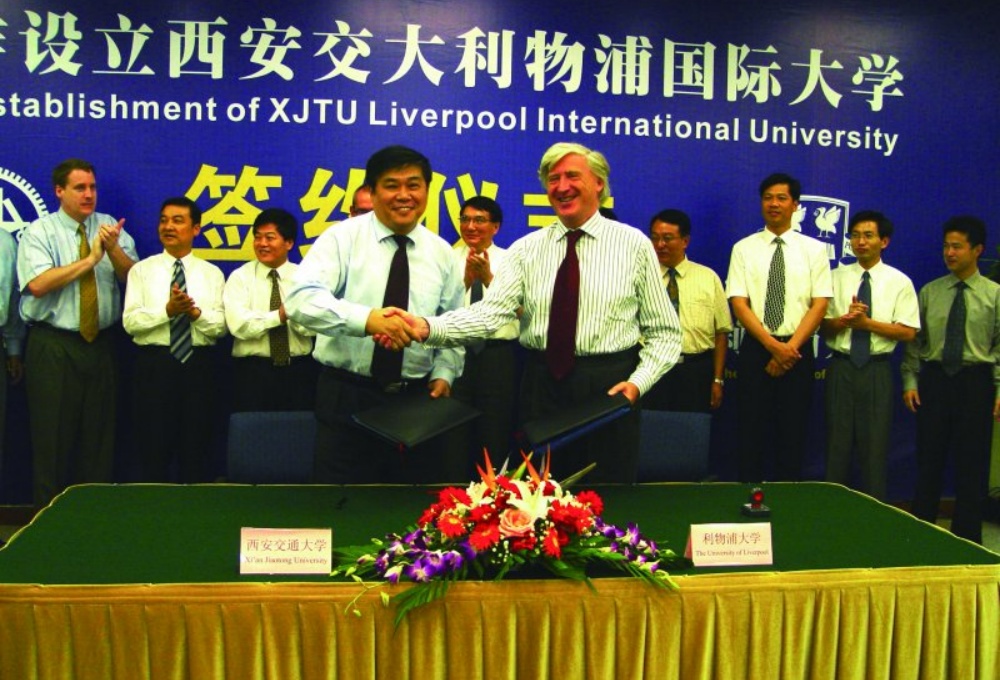
Xi’an Jiaotong University and the University of Liverpool signed a cooperation agreement in 2004. In the foreground, Professor Jianhua Wang is pictured on the left and Sir Drummond Bone on the right
At the time, Professor Bone was under enormous pressure. XJTLU, too, faced significant pressure. During the establishment process of the University, the University of Liverpool regularly sent education quality review teams. Only when XJTLU met the review standards would its right to award Liverpool degrees be recognised.
“Over the past 20 years, XJTLU has more than lived up to expectations and has consistently met education quality requirements,” Professor Wang says. “Today, XJTLU graduates have become some of the most outstanding graduates in the UK education market.”
Four universities competing for partnership with Liverpool
In 2003, Professor Daqing (Michael) Fang of the University of Liverpool visited Xi’an Jiaotong University. At the time, the University of Liverpool had decided to expand its education market overseas, and China was one of its key destinations.
Professor Wang had known Professor Fang since the 1980s, and the two had a long-standing relationship in research collaboration.
In August 2003, Professor Wang was promoted from Vice President at Xi’an Jiaotong University to Party Committee Secretary. Before that, Xi’an Jiaotong University had already signed a letter of intent for cooperation with the Suzhou Municipal Government. Bringing together the needs of Xi’an Jiaotong University, the University of Liverpool, and the Suzhou Government, Professor Wang came up with an idea: “Could we use the conditions provided by the Suzhou Government to establish an international joint-venture university?”
“First, from Xi’an Jiaotong University’s perspective, we wanted to enhance the University’s international management and education standards, and introduce high-quality education resources. The Shaanxi Provincial Party Committee and Provincial Government supported this idea.
“Second, I visited the Suzhou Municipal Party Committee and Municipal Government. Suzhou had a strong desire to develop high-level education. After careful consideration, it agreed to support us in establishing a joint-venture university.
“The third factor was the University of Liverpool. They were looking for a location in China and deciding which institution would be the most suitable partner. At the time, four universities in China were under consideration.”
The four universities were Tsinghua University, Xi’an Jiaotong University, Huazhong University of Science and Technology, and Beijing University of Posts and Telecommunications.
“Each of the competing universities had its own strengths and advantages, and all of them were very proactive,” he says. “After a long period of visits, research, and deliberation, the University of Liverpool finally chose Xi’an Jiaotong University as its partner.”
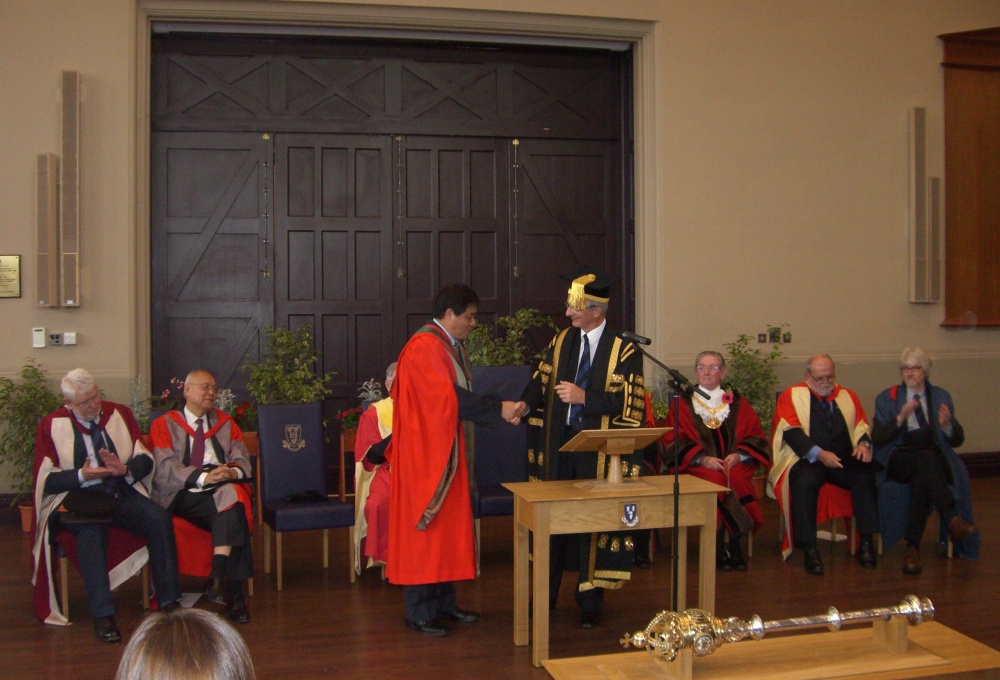
The University of Liverpool awarded Professor Jianhua Wang an honorary Doctor of Laws degree in 2009
“I believe Professor Fang played a central role in this. But there were two other important factors. One was the excellent resources and environment offered by Suzhou. The other was Xi’an Jiaotong University’s rigorous and down-to-earth way of working,” Professor Wang says.
An international university, not a branch campus
In March 2003, the State Council promulgated the Regulations of the People’s Republic of China on Chinese-Foreign Cooperation in Running Schools.
“At the time, there was a shared understanding that Chinese-foreign cooperation could help improve education management and the quality of student development in China,” Professor Wang says. “But doing this in practice was extremely difficult. The safest approach would have been to set up an international cooperation programme – for example, a special class within the existing university, fully under the university’s control. That way, there would be no political risk.
“But our goal was to establish a high-quality, independent joint-venture university, not a branch campus or outpost of either founding institution. XJTLU is a university jointly established, supported, and developed by its two parent universities,” Professor Wang emphasises.
“We hoped to absorb the best of the University of Liverpool while integrating outstanding Chinese ideas and culture. When running the University, we did bring together the strengths of both sides.”
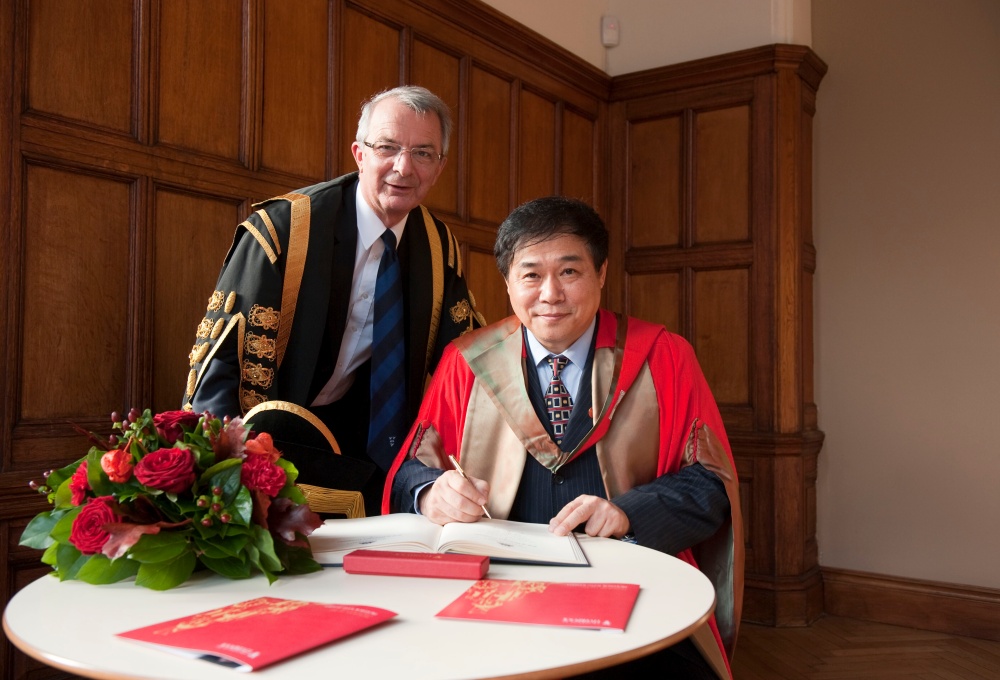
Professor Jianhua Wang with Sir Howard Newby, former Vice-Chancellor of the University of Liverpool, in 2009
Professor Wang gives the example of the University of Liverpool’s meticulous approach to education quality assurance. Many parts of the process can be quantified and assessed. “This created a systematic and quantifiable management framework, which inspired us as well.
“Xi’an Jiaotong University’s academic tradition places strong emphasis on practice and practical outcomes, so practical courses account for a high proportion of its curriculum. We also integrated this feature into XJTLU’s curriculum.”
Professor Wang says this meant spending more money on laboratories and investing more effort in employing enough engineering and technical staff to support students. “The University of Liverpool fully accepted this because it understood that it was beneficial. This is how we integrated the strengths of both sides into XJTLU’s system.”
A blank canvas for the most beautiful picture
With the structure of an international and independent university, XJTLU had a natural advantage in innovation and education reform.
“Take the management structure, for example. XJTLU’s organisational structure is flat. Everyone knows that such a structure has fewer layers and higher efficiency, but in universities within the traditional system, structural reforms are extremely difficult to carry out,” Professor Wang says. “At XJTLU, we were drawing the most beautiful picture on a completely blank canvas.”
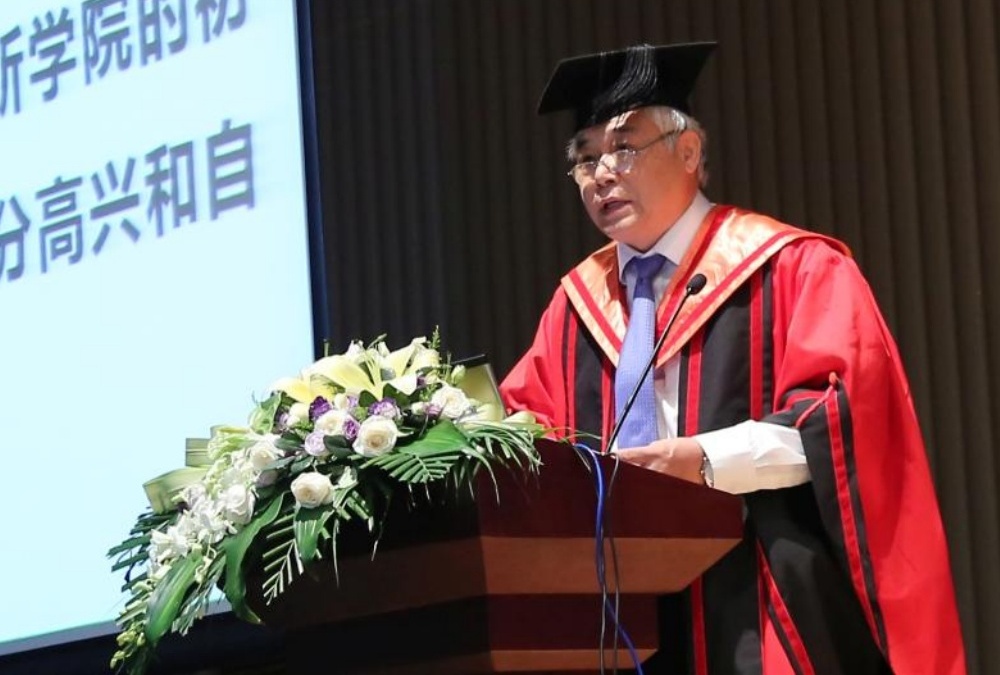
XJTLU awarded Professor Jianhua Wang an honorary degree in 2016
He believes that over the past 20 years, XJTLU has used education reform as a breakthrough point and carried out many bold explorations. “Many things may seem obvious today, and many universities may now be doing them very well. But taking the first step and putting those ideas into practice before others is never easy.
“I believe XJTLU’s role in leading, inspiring, and demonstrating what is possible is an indelible historical contribution,” he says.
By Luyun Shi
Translated by Xiangyin Han
Edited by Patricia Pieterse
Photos courtesy of Professor Jianhua Wang
20 May 2026
RELATED NEWS
From recruiting graduates to building a university
Around 2001, Yunguan Pan, then Deputy Secretary of the Party Working Committee of Suzhou Industrial Park (SIP), travelled to Xi’an with more than 20 companie...
Learn more
The ‘angel board’ that helped XJTLU begin
By dawn, the promises around the table had to become something more concrete: written conditions, stamped documents and a plan that both the Ministry of Educ...
Learn more
Professor Michael Fang: ‘It has been an amazing 20 years’
Originally published on the University of Liverpool’s website as part of its 20 Stories series for XJTLU’s 20th anniversary. Professor Michael Fang i...
Learn more