





BSc (Hons) Environmental Science
The BSc Environmental Science programme is one of the natural science programmes at XJTLU. Through this programme, you will gain a systematic understanding of the complexity of the environment and ecosystems, explore the processes and laws of environmental evolution on a global scale, and develop the knowledge and skills needed to promote environmental health and ecological integrity.



September 2027

Full time

Four years

Available

Suzhou
Download file


XJTLU undergraduate students earn two degrees: an XJTLU degree recognised by the Chinese Ministry of Education and a globally respected University of Liverpool degree.

Knowledge and skills
By the time you graduate from the BSc Environmental Science programme, you will have:
- problem-solving competencies across the programme’s focus areas of ecological, biological, geographical, and social systems;
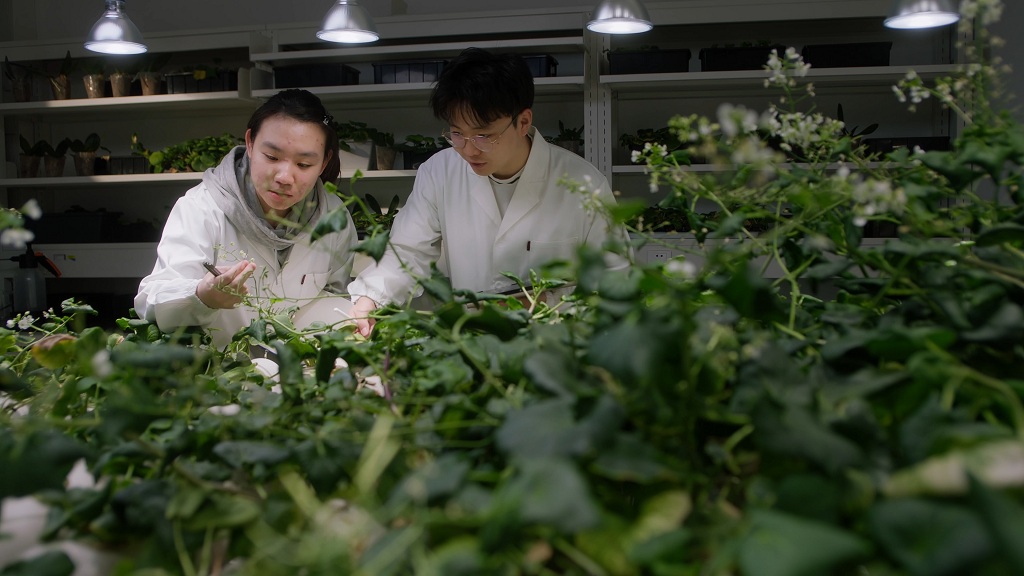
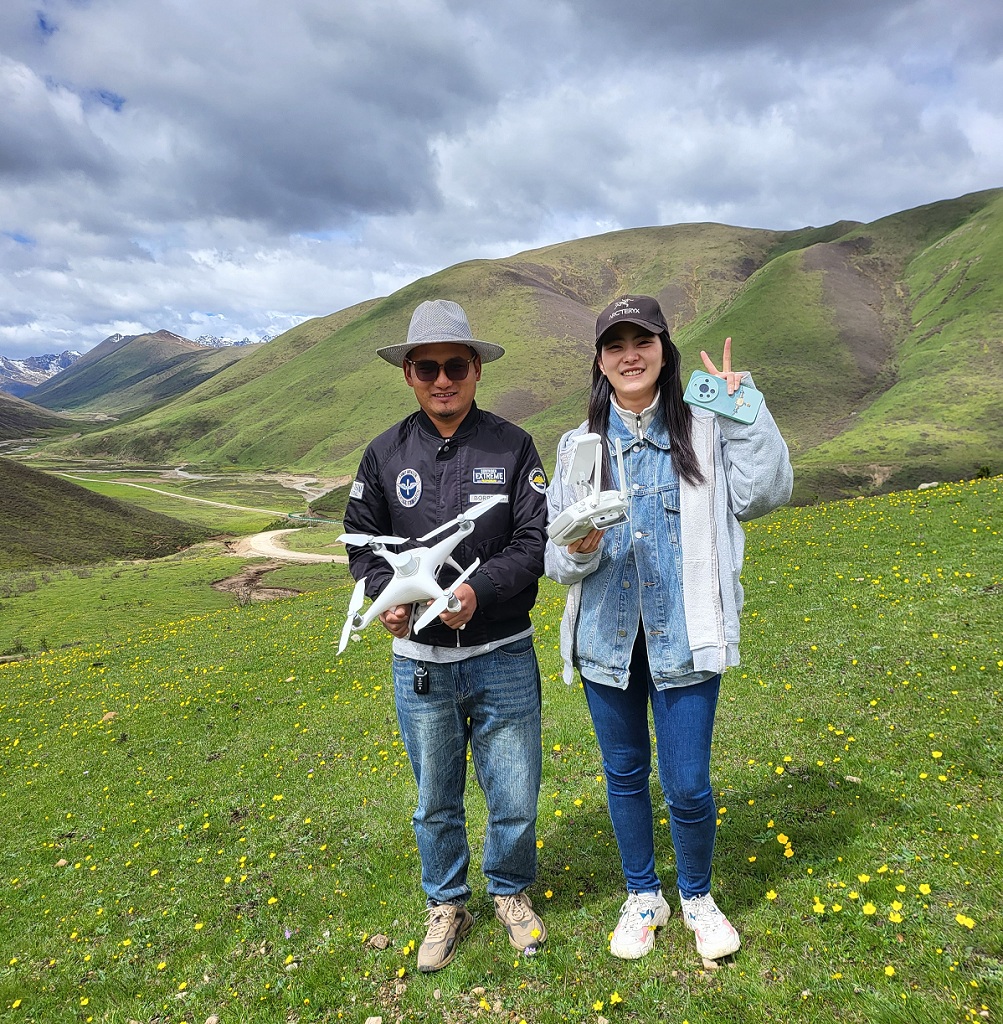
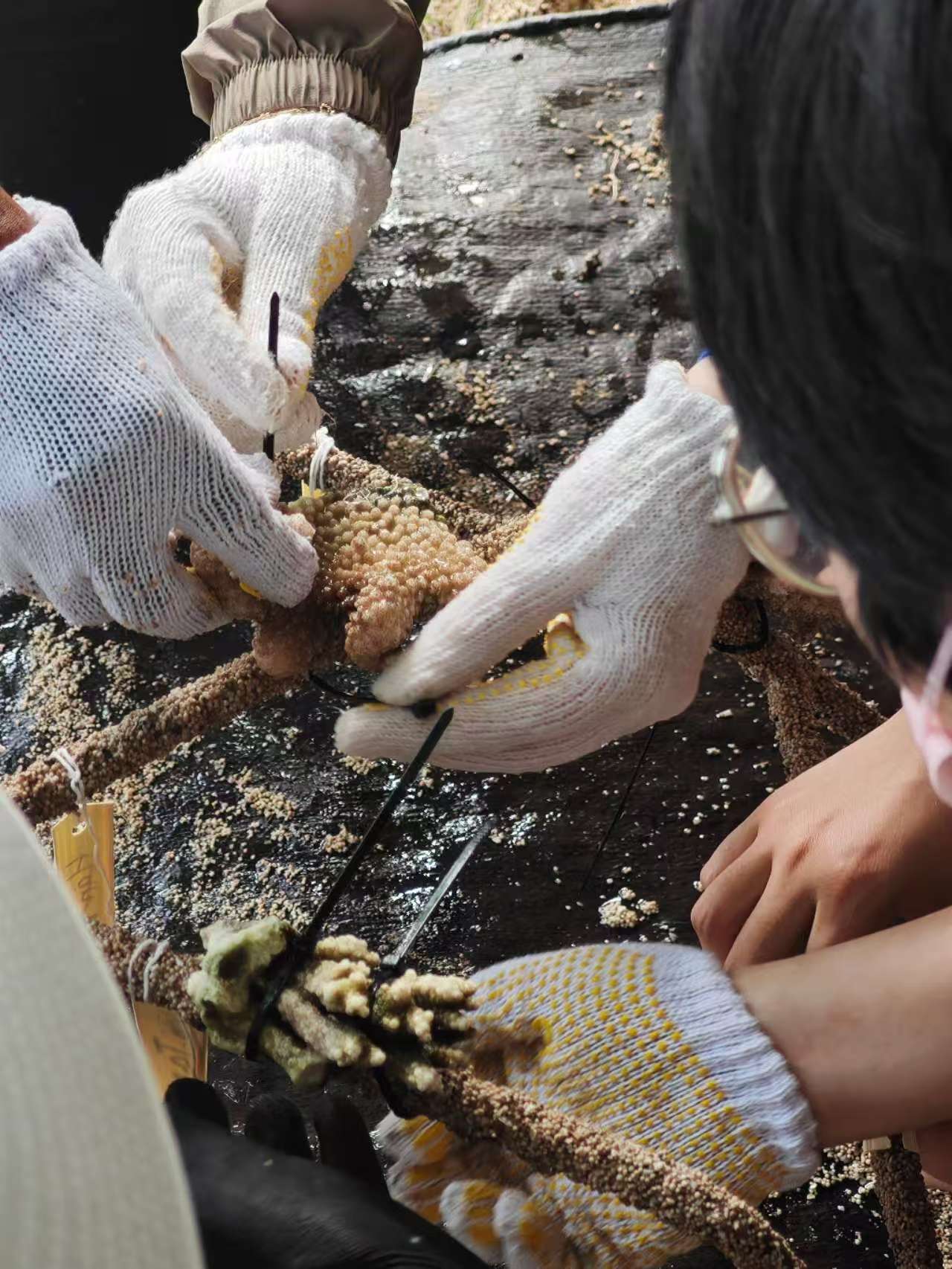
- a firm grasp of fundamental and applied scientific principles, with proficiency in laboratory and field-based analysis; and
- the ability to communicate regional and global environmental issues and their societal implications from a scientific perspective, demonstrating an understanding of how these issues affect different cultures and societies.



Environmental health constitutes the foundation of sustainable development. Our programme addresses critical frontiers encompassing biodiversity conservation, climate change, pollution control, ecological restoration, and One Health. We are dedicated to cultivating professionals who combine rigorous theoretical grounding in sustainability with the technical expertise to advance environmental governance.


Dr Lu Zhang
Programme Director
Modules
*Programme modules listed are illustrative only and subject to change. XJTLU students are advised to log in to the e-Bridge Portal to view the effectuated module structure.
Xi’an Jiaotong-Liverpool University offers a wide range of courses in the first year, including English for academic purposes (EAP), mathematics and physics, and humanities and social sciences. Click to learn more.
Core Modules
Core Modules
Optional Modules
I love the learning environment in our department. Our opportunities are enhanced by interactive teaching, well-equipped labs, field trips, and social activities.

Yijin Guo
Alumnus, BSc Environmental Science, Class of 2018
Careers
More than 90% of BSc Environmental Science graduates pursue MSc or PhD studies roles such as environmental consultants, environmental impact assessment specialists, sustainability scientists, ecosystem restoration engineers, environmental education officers, green technology specialists, environmental health and safety officers, nature conservation programme managers in international non-governmental organisations, and government policymakers.at top-ranked international universities.
Overview
Environmental science is an integrative discipline that draws on biology, ecology, geography, remote sensing, statistics, and big data analytics, along with environmental sociology and management.
Graduates of this programme are expected to contribute to environmental health, carbon neutrality, and global biodiversity conservation. They are also expected to provide theoretical, technical, data, and policy solutions to environmental challenges, ultimately helping to create a harmonious relationship between people and the natural environment.
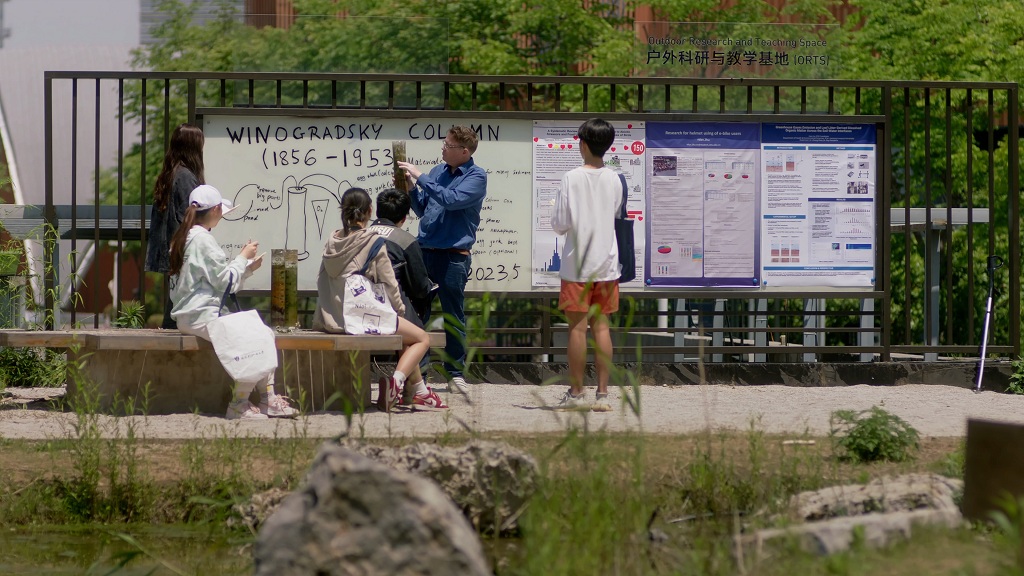
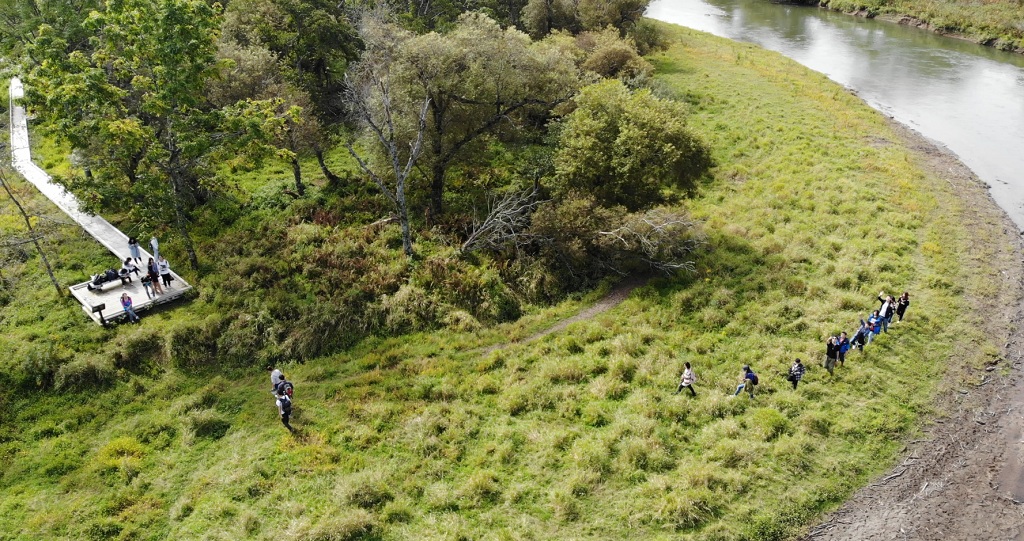
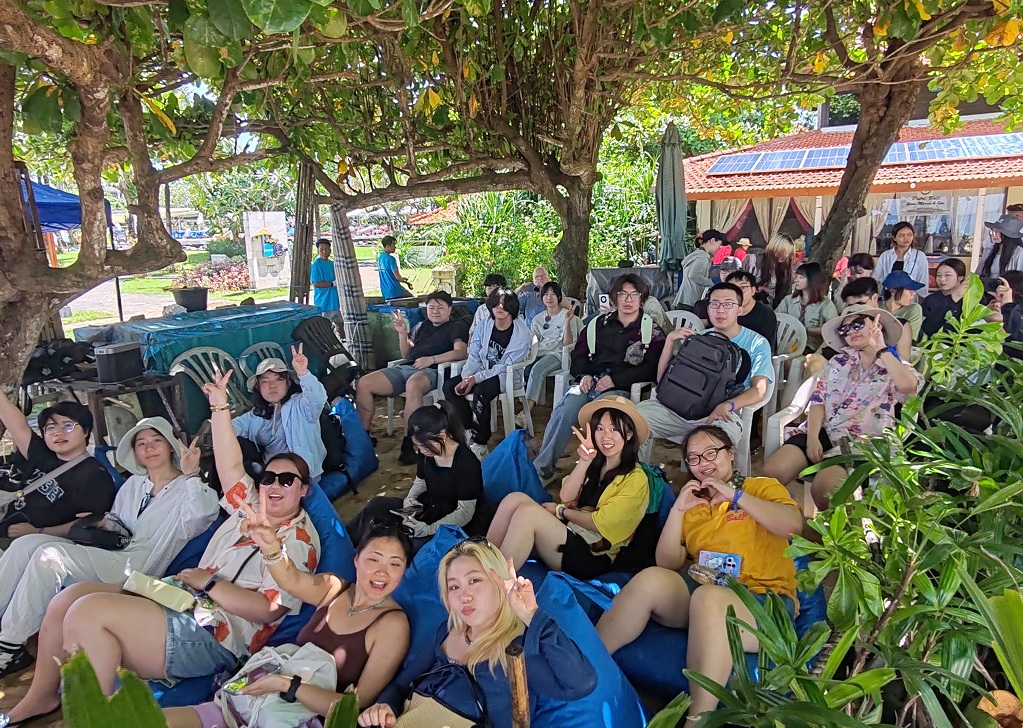
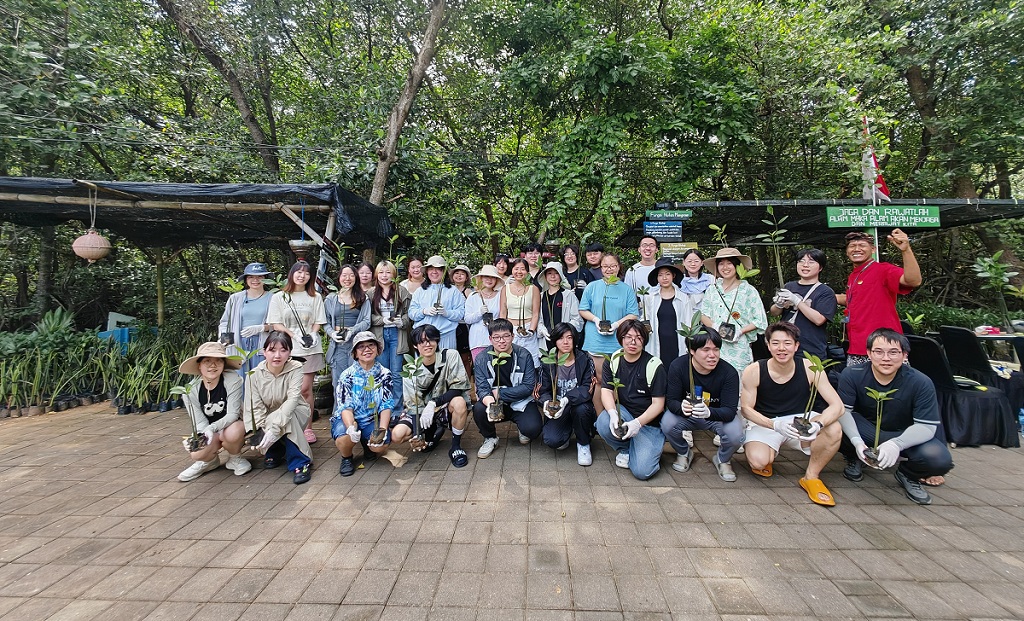
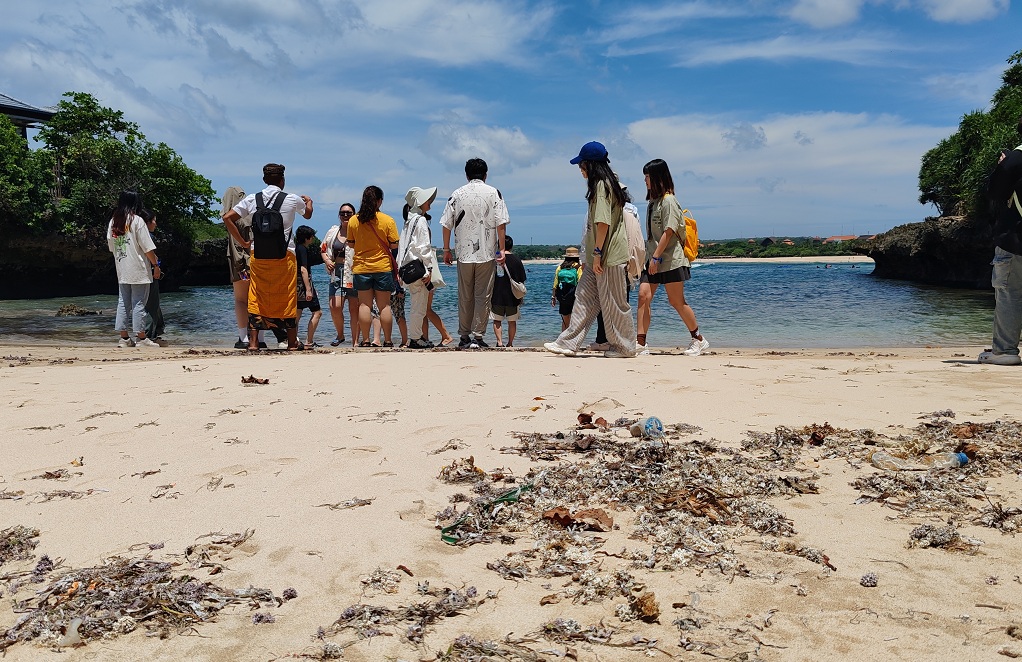
You will learn to apply problem-solving skills to some of the greatest challenges humanity faces today. You will also gain practical skills through international field trips to coastal biodiversity hot spots, where you will learn about surveying and interviewing key environmental governance stakeholders, including governments, enterprises, and local communities.
Why choose the BSc Environmental Science programme at XJTLU?
Accreditation
This programme is accredited by the Community for Environmental Disciplines in Higher Education (CEDHE), the education committee of the UK’s IES. The CEDHE represents the academic community in environmental science and works to enhance the quality of environmental education worldwide.
CEDHE accreditation ensures that the programme meets high academic and professional standards, which include strong practical and theoretical components. It also provides students with excellent opportunities for training, work experience, and professional networking.
Students enrolled in CEDHE-accredited programmes can apply for free student IES membership, which fast-tracks them to full membership after graduation.
This programme aligns with the academic requirements for Registered Environmental Practitioner (REnvP) accreditation and sets graduates on a path to becoming a Chartered Environmentalist (CEnv) or a Chartered Scientist (CSci).