




18 Dec 2025


As part of the Week 12 teaching activities for INS415 Global Environmental Policy, students took part in a field trip to Chimiduo Ecological Farm (柴米多生态农场), where they explored how sustainability transitions unfold in practice. The visit provided a direct lens into how local ecological initiatives respond to the interconnected global challenges of climate change, biodiversity loss, and pollution.
Highlights
Students observed how global environmental governance debates are implemented in the local Chinese context at an organic farm in Suzhou.
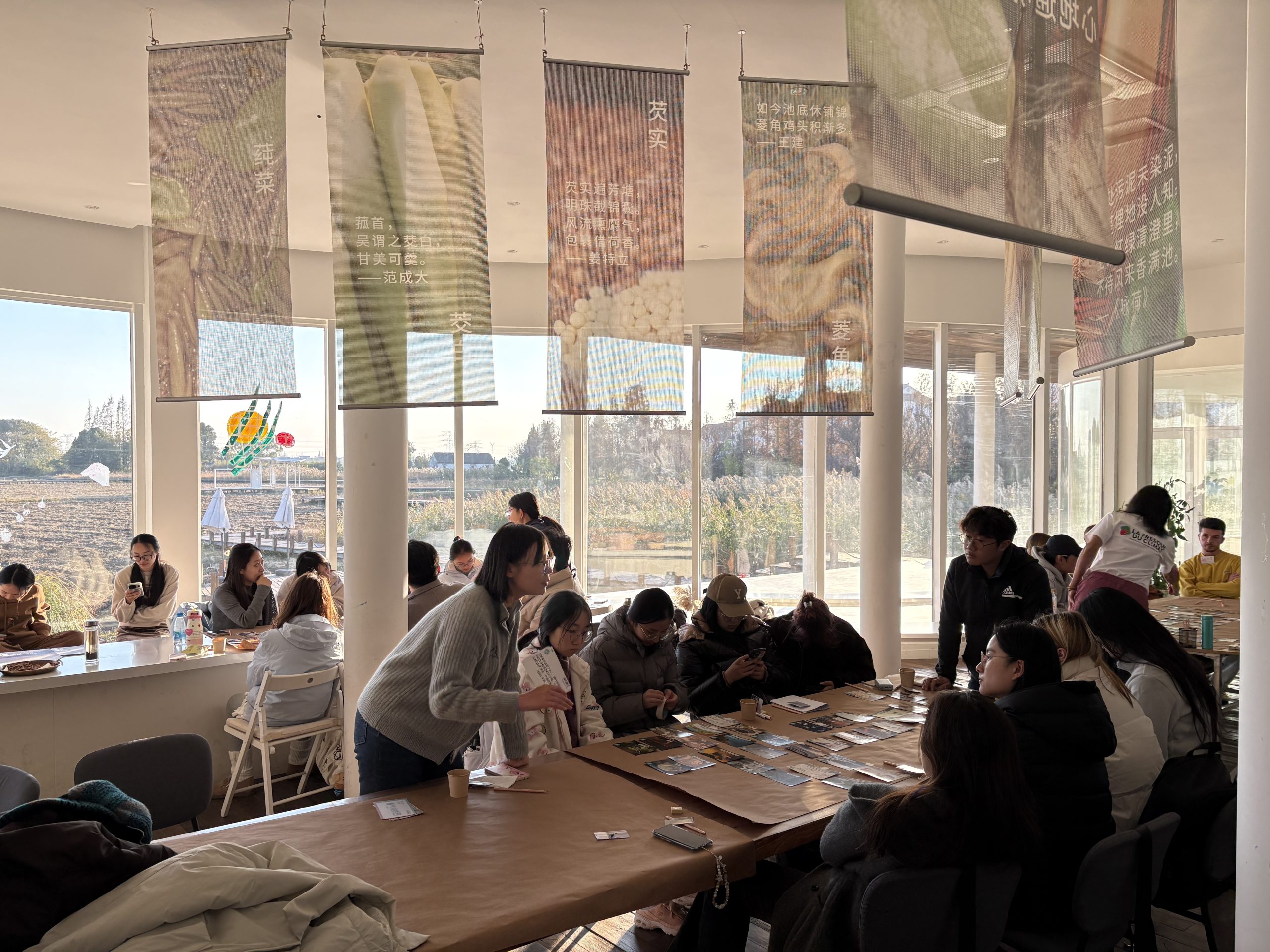
The three-hour Climate Puzzle workshop provided detailed experiential training in climate-systems mapping and encouraged critical reflection on governance responses.
The visit allowed critical exploration of state-market dynamics in green development initiatives, reflecting the module's theoretical worldviews.
The activities strengthened students' ability to link climate causality to real-world land-use, agriculture, and consumer practices within an ecological setting.

Walking tour through the winter radish plantation of the farm

Presentation of the group activity
The field trip successfully moved the theoretical debates of the classroom into a real-world setting, providing students with a hands-on understanding of the challenges and implementation of sustainability in the local context of Suzhou. The combination of the guided farm tour and the interactive Climate Puzzle workshop offered a valuable educational experience, for critical analysis of policy tensions and the students’ personal connection to environmental issues.
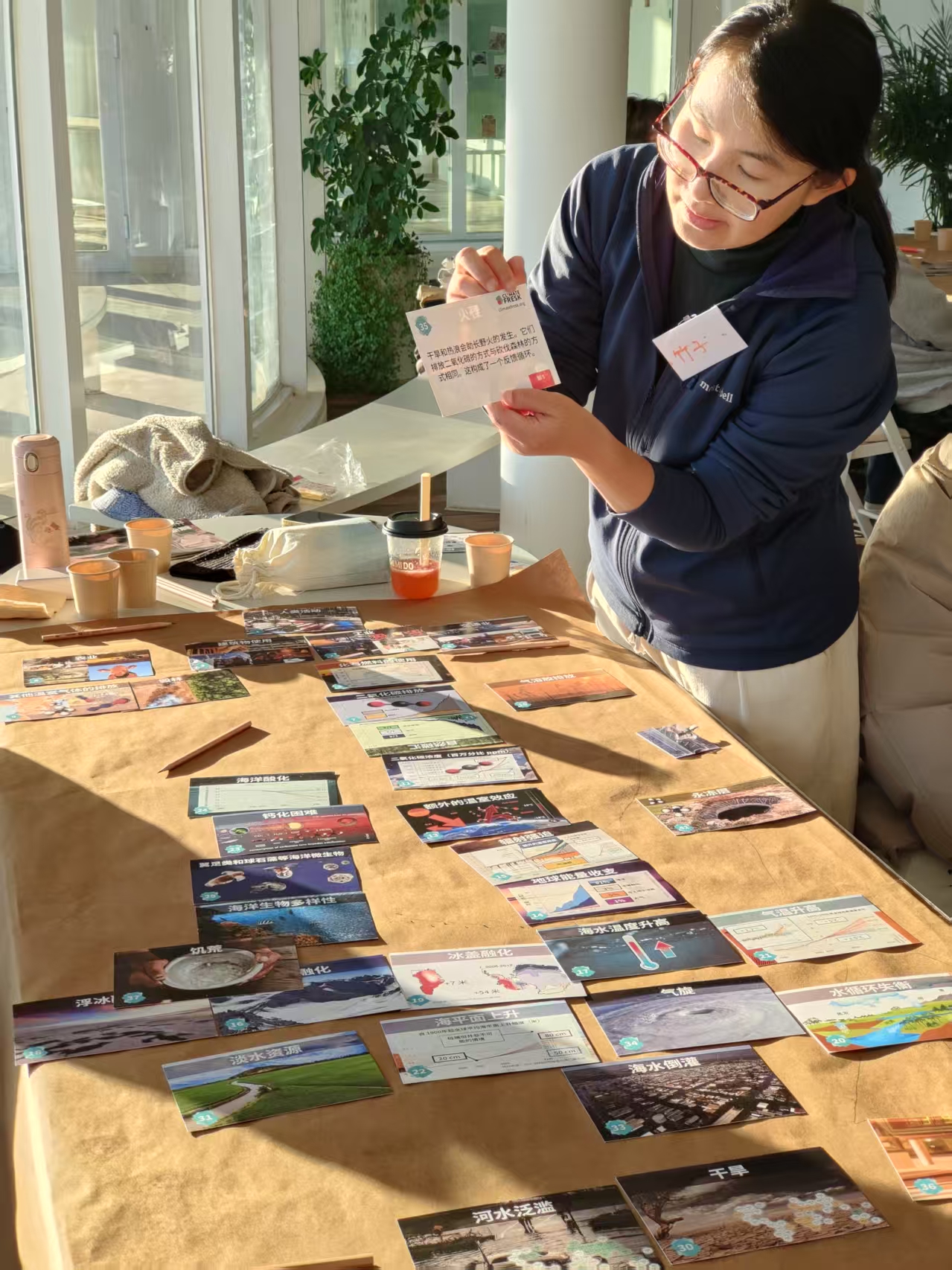
Climate Systems Mapping
The Climate Puzzle (气候拼图) workshop was integrated into the program by a group of trained Climate Fresk volunteer to provide a useful pedagogical complement to the climate fresk session organized in week 3 of the semester. The in-depth session further trained students in systems-thinking exercises, linking the causes and effects of climate change and provided them with important natural science knowledge of the causal connections between different processes linked to climate change.
Worldviews in Practice
Students were able to assess how the sustainability practices of the local farm project reflect the four different worldviews (market-liberal, institutionalist, bioenvironmentalist, or social-green) assigned to them at the semester's start.
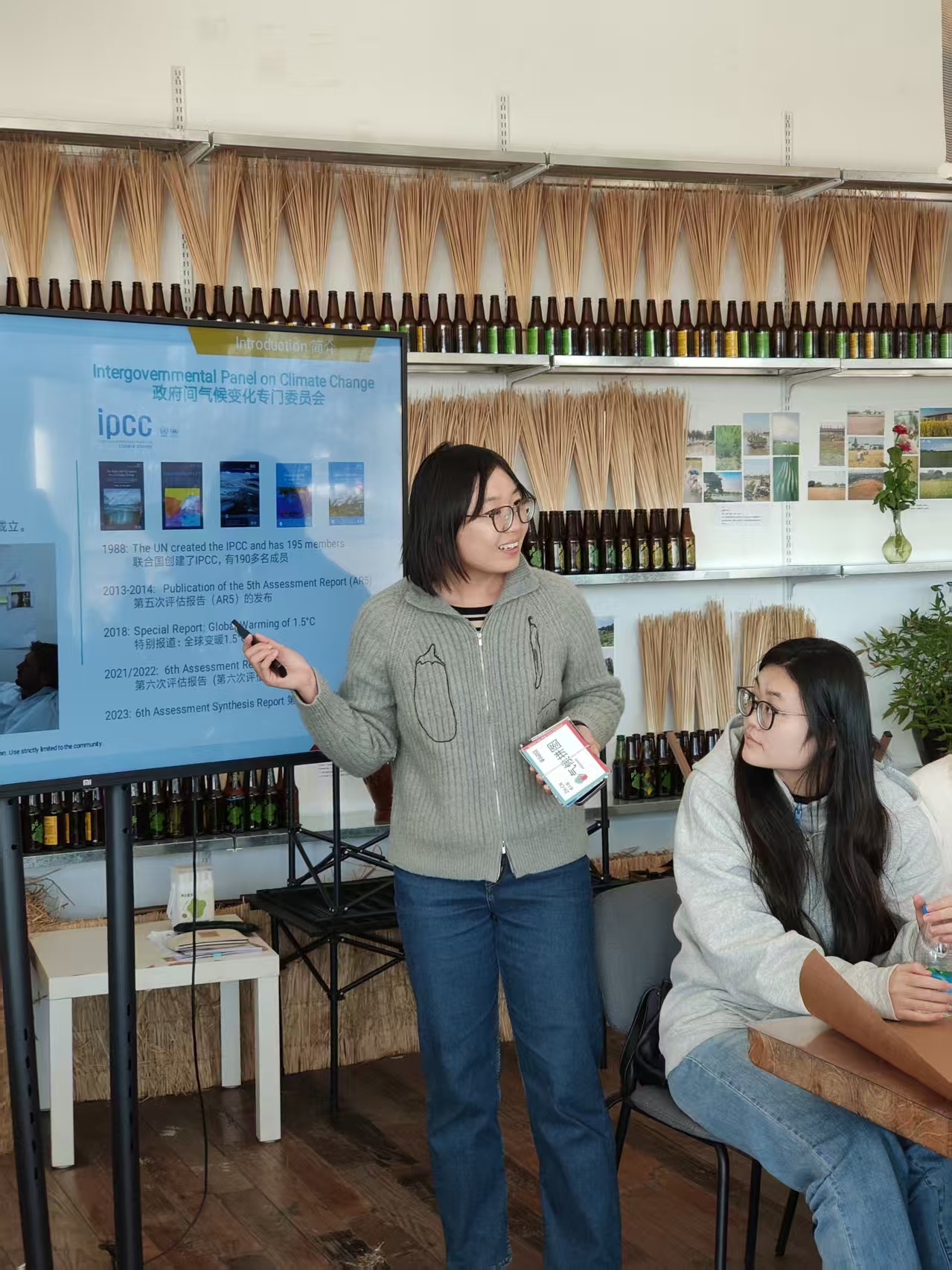
Local Governance Context
The visit allowed students to examine local governance experimentation by an independent project and in the context of China's Ecological Civilization framework, complementing our module’s assigned readings on environmental regulation and the role of non-state actors.
Experiential Learning
The trip offered an experiential component that enhanced students' analytical and empirical understanding of global environmental governance and real-world sustainability practices in Jiangsu Province.
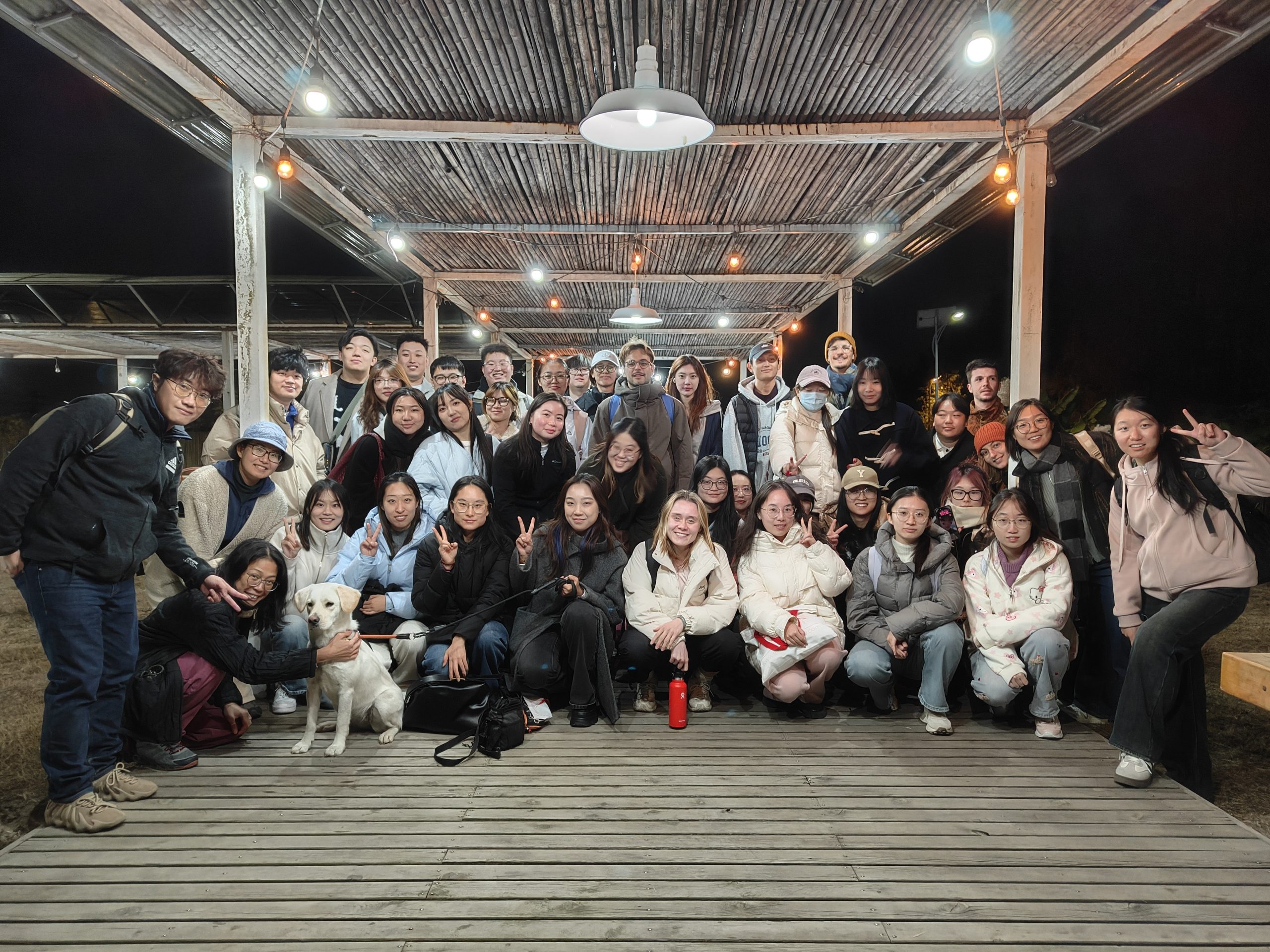
The long day of activities was finished off with a meal with fresh ingredients from the different units of the Chimiduo project before we headed back to XJTLU at 19:00.
Contributed by Department of International Studies
Editing: Yiyi Gu
18 Dec 2025