




Jiangsu Province Engineering Research Center of Data Science and Cognitive Computation


2. AI+ Smart Energy
To address the impact of both long‑term and short‑term solar variability on grid stability, the Centre focuses on AI+ Smart Energy and develops multi‑scale solar forecasting and power smoothing control technologies:
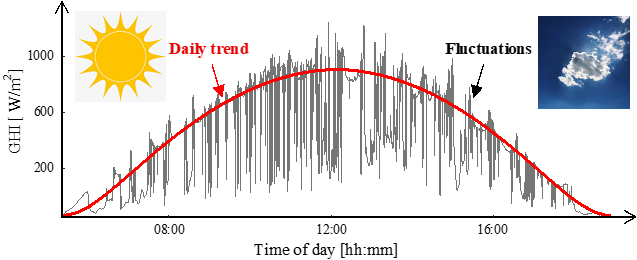
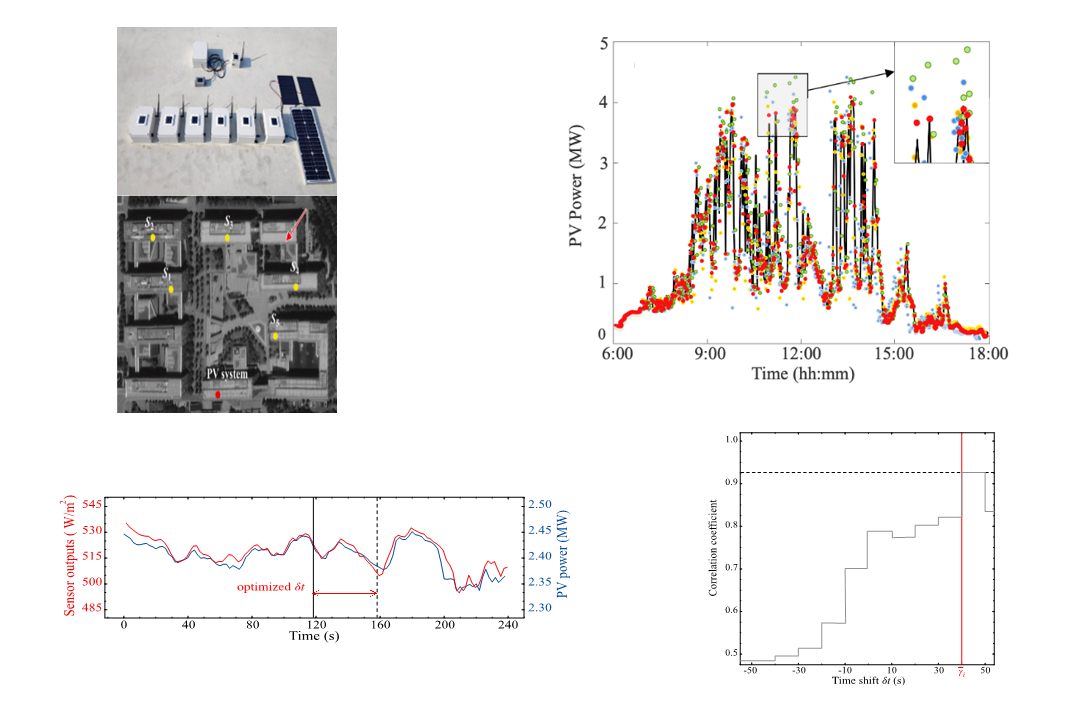
Ultra Short‑term Forecasting (second-scale) based on Sensor Network
– A sensor network collects irradiance data at 1‑second resolution, combined with a dynamic spatio‑temporal predictor updating.
– The proposed SRP‑Enet model achieves an annual RMSE accuracy exceeding 90% and most closely matches true ramp peaks.
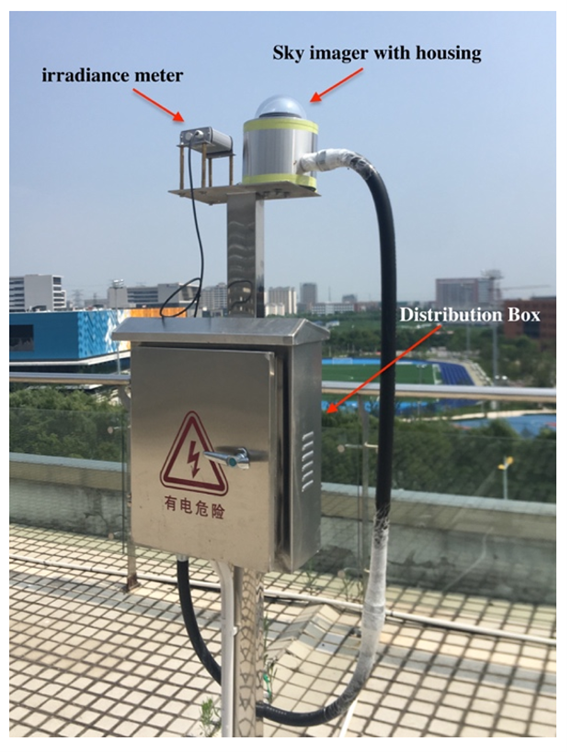
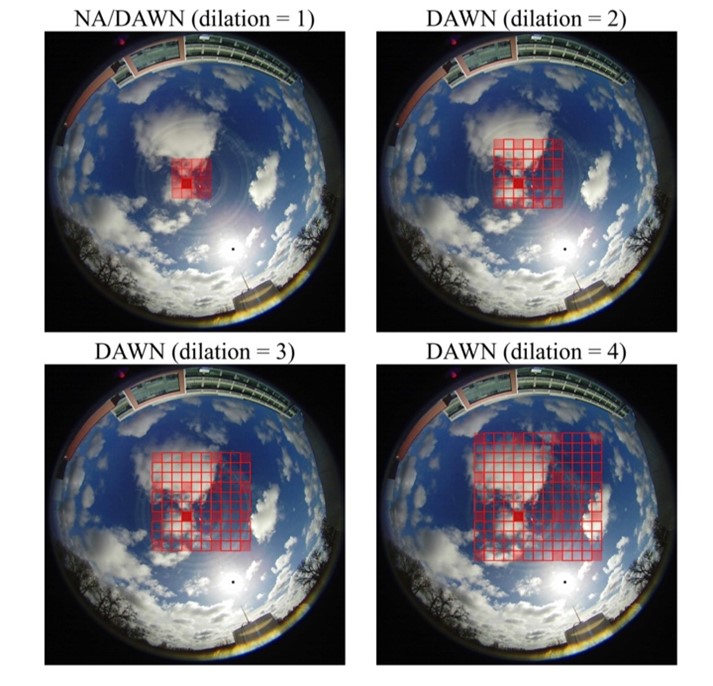
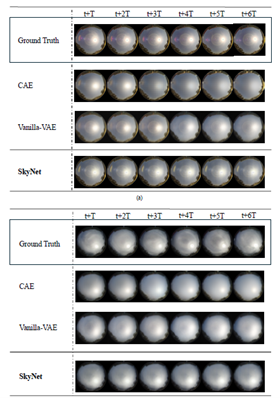
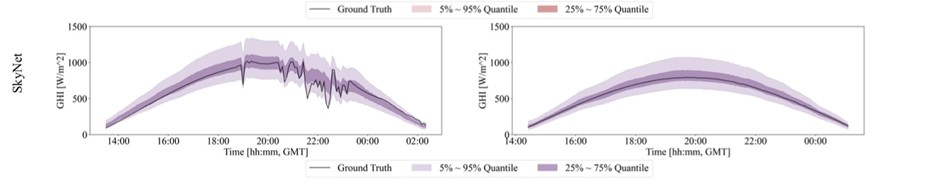
Short‑term Solar Forecasting based on Sky Imager
– Using a sky imager and deep learning‑based multi‑step forecasting methods, the Centre models cloud motion and predicts power output.
– The mean RMSE is less than 0.3 kW on sunny days and less than 4 kW on cloudy days.
These technologies have been applied to the active power control of photovoltaic inverters, effectively mitigating power ramp rates and enhancing grid security as renewable energy integration increases.
3. AI+ Healthcare
The Centre focuses on AI-powered healthcare, leveraging deep learning and computer vision technologies to achieve breakthrough results in food safety detection and biological model analysis:
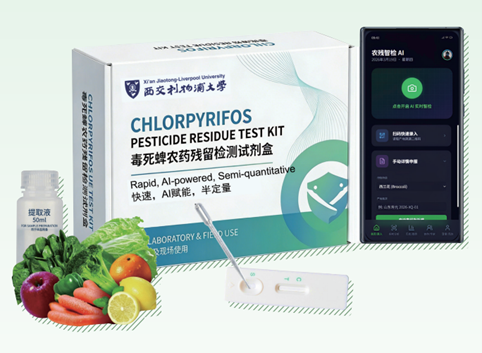
(1) AI-Powered Pesticide Residue Rapid Test System
- Built on the proprietary TraceNet deep convolutional neural network optimised for complex food matrices, enabling automatic T/C line localisation, background suppression, and colour development analysis from a single image capture.
- Achieves 16-bit (pixel-level) colour development resolution, a comprehensive accuracy of 98.6%, and a detection speed as fast as 42.15 ms.
- Supports automatic flash correction and offline batch processing; serves food safety monitoring institutions and enterprise clients using rapid immunochromatographic technology, with applications in customs inspection, food safety supervision, fresh produce supply chains, and other scenarios.
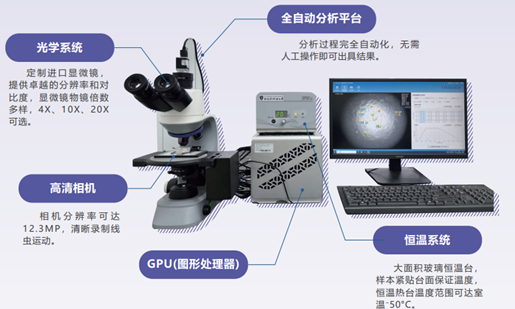
(2) AI-Powered Fully Automatic C. elegans Behaviour Analyser
- Employs a deep learning multi‑task model to simultaneously perform nematode detection, tracking, segmentation, and behaviour recognition from a single image, integrating the traditional multi‑step, multi‑operator workflow into a single automated AI engine, greatly improving experimental efficiency and result consistency.
- Outputs multi‑dimensional kinematic parameters in real‑time, including speed, length, width, and bending angle, and automatically distinguishes complex behavioural patterns such as coiling, curling, and omega‑bends, helping to rapidly identify differences in drug efficacy and potential toxicity.
- Serves innovative research institutions and enterprise customers using C. elegans as a model organism, including university and research laboratories, pharmaceutical companies, functional food and medicinal food enterprises, cosmetic manufacturers, and probiotics & microbiome‑related companies.
- Supports applications such as drug efficacy and toxicity screening, active ingredient and formulation optimisation, efficacy validation, and quality control, significantly improving R&D efficiency while complying with regulatory requirements and the global trend towards animal alternative methods, laying a solid foundation for future large‑scale deployment.
4. AI+ Cultural Creativity
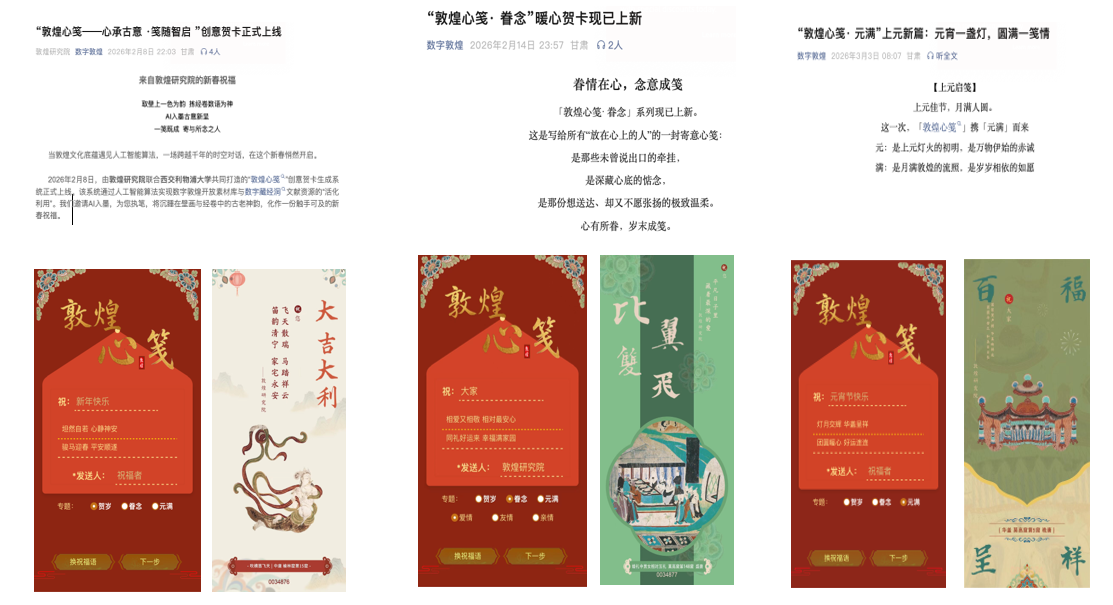
The Centre focuses on AI-powered cultural creativity and has established a deep collaboration with the Dunhuang Academy, jointly launching the “Dunhuang Heartfelt Letter” AI‑generated greeting card project. Leveraging artificial intelligence to create artworks in the style of Song Dynasty painting, the project preserves the essence of traditional art while enabling highly efficient and personalised creative design. To date, over 64,840 greeting cards have been generated, with a single‑day peak of 16,156 cards during the core communication period of the 2025 Spring Festival, and multiple product series have been developed, including New Year, Nostalgia, and Fulfilment.
The AI4Culture team has delivered scenario-based demonstration applications in areas such as intelligent garment design and the generation of cultural IP. Over the past five years, the team has published nearly 100 papers at top-tier International conferences and Journals in Artificial Intelligence, including TPAMI, ICML, CVPR, ICCV, ACM Multimedia, AAAI, ACL, and ICLR, and has been granted over 30 invention patents. The team has also undertaken more than 20 projects at the national key R&D programme and provincial/ministerial levels, providing robust technical support for continuous innovation and scenario-based demonstrations within the laboratory.
The team has amassed a vast repository of data resources to support the laboratory’s cultural data engineering efforts. These resources encompass silk patterns, murals, multi-collection artefact data, terabyte-scale multimodal ancient Chinese texts, garment generation data, and a digital archive of over 500 terabytes—derived from more than 200 nationwide cultural heritage digitisation projects conducted in collaboration with the Key Scientific Research Base of Digital Conservation for Cave Temples (Zhejiang University), a National Cultural Heritage Administration key research base. This rich data foundation enables the ongoing commoditisation of cultural data, the training of domain-specific foundation models, and the iterative development of scenario-based applications.
Structures and Functions
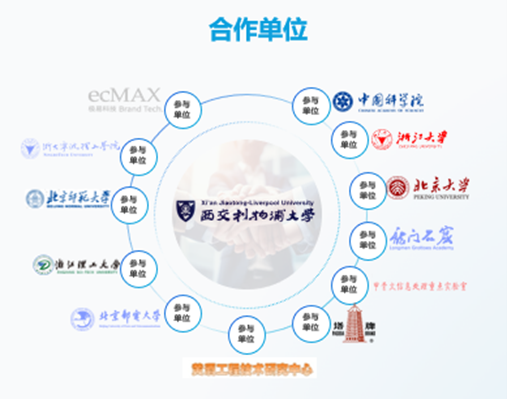
The Centre maintains a rigorous internal management mechanism, operating under a director responsibility system led by a board of directors. It has established an expert committee (including an International Technical Advisory Committee) that invites renowned AI scholars and industry experts to provide strategic guidance.
Overview
The Jiangsu Province Engineering Research Centre of Data Science and Cognitive Computation (hereinafter referred to as “the Centre”) was officially approved and recognised by the Jiangsu Provincial Development and Reform Commission in December 2020 and is established and operated under the auspices of Xi’an Jiaotong-Liverpool University (XJTLU).
The Centre, based in Suzhou Industrial Park, integrates XJTLU’s international research strengths with regional industrial resources to build a full-chain innovation system spanning “fundamental research – technology breakthroughs – industrial incubation”. At the fundamental level, it collaborates with government and industry to establish AI data and computing platforms; at the technological level, it focuses on core algorithms, including cognitive computing, machine learning, deep learning, and intelligent recognition; at the application level, it promotes “AI+” across the information industry, healthcare, intelligent manufacturing, and other sectors, aiming to become a key engine for the industrial transformation and upgrading of Suzhou and Jiangsu Province.
Research areas/ Research Interests
AI+ Industry Applications
1. AI+ Embodied AI
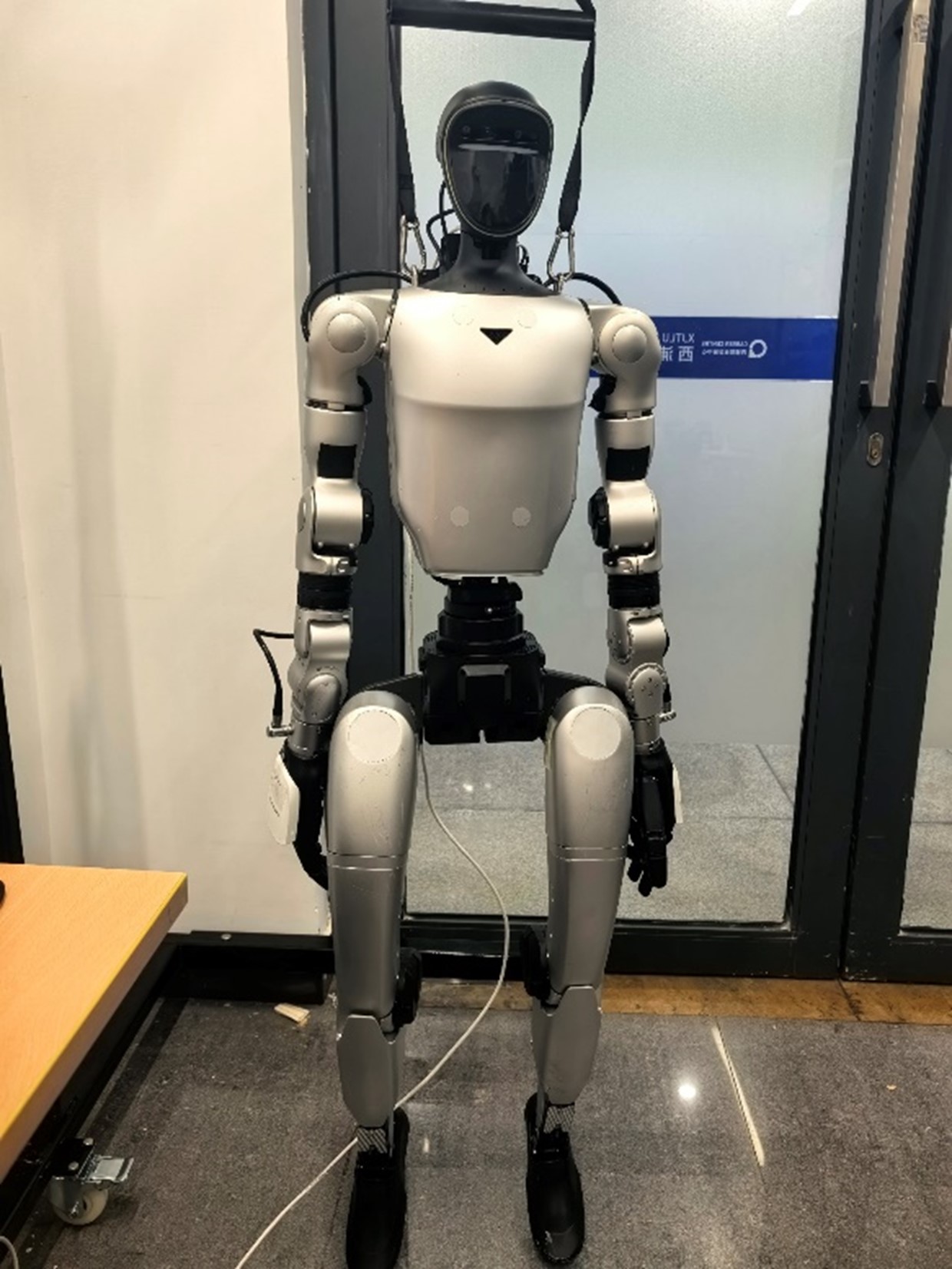
The laboratory focuses on integrating AI and robotic systems and conducts frontier research in embodied perception, intelligent decision-making, dexterous manipulation, and autonomous mobility. It has developed end-to-end capabilities spanning the reproduction of vision-language-action (VLA) models, algorithm training, and deployment and validation on real robotic platforms, and has successfully reproduced mainstream models such as ACT, PI, GreenVLA, and ACoT-VLA.
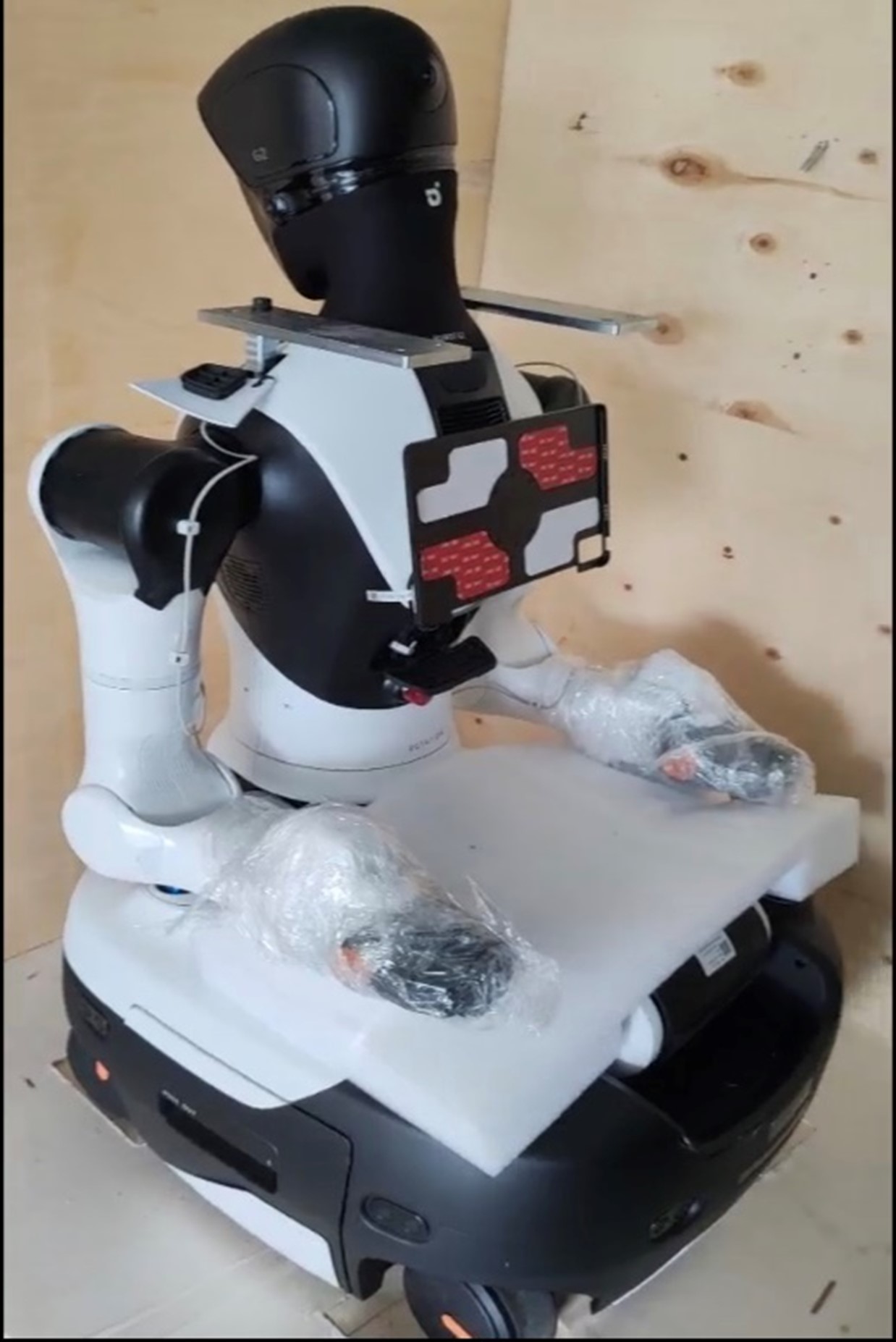
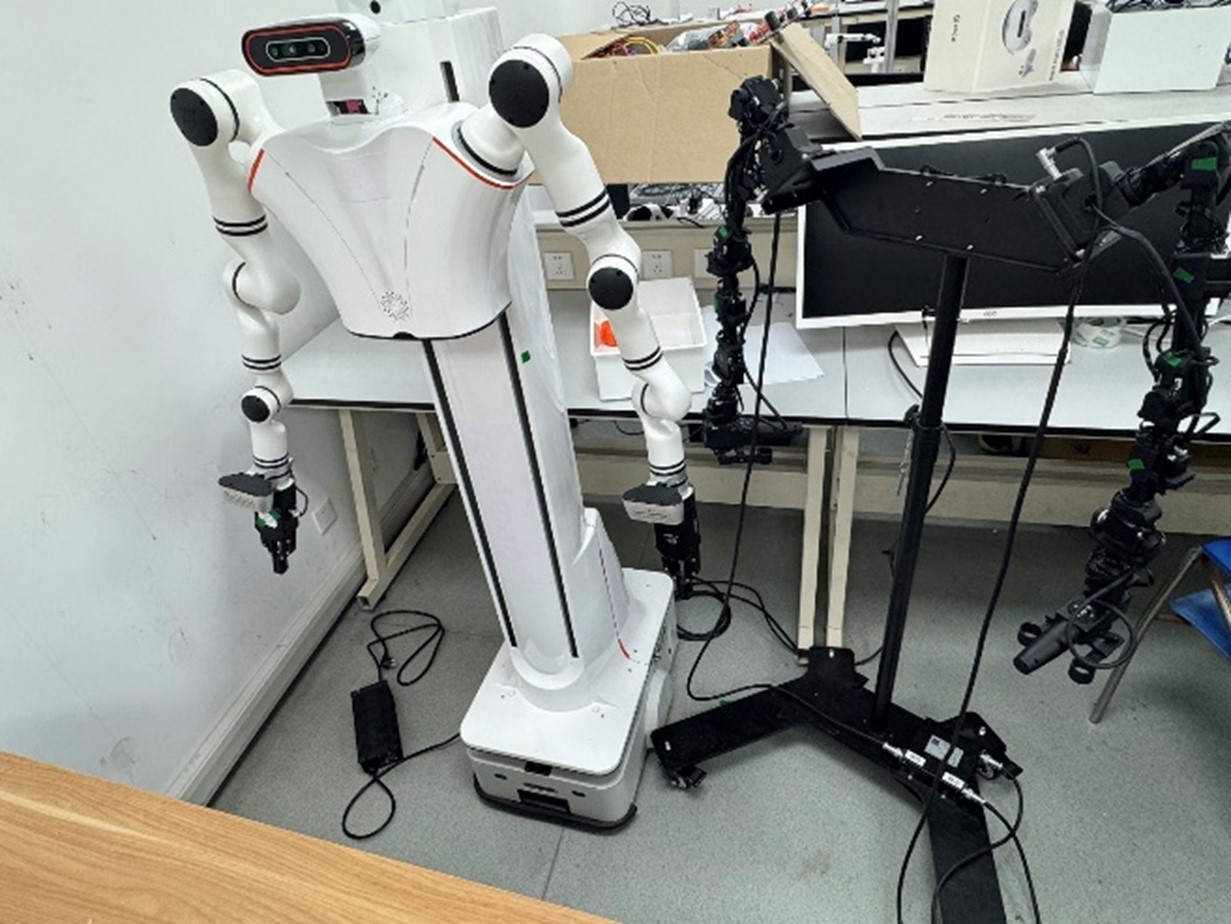
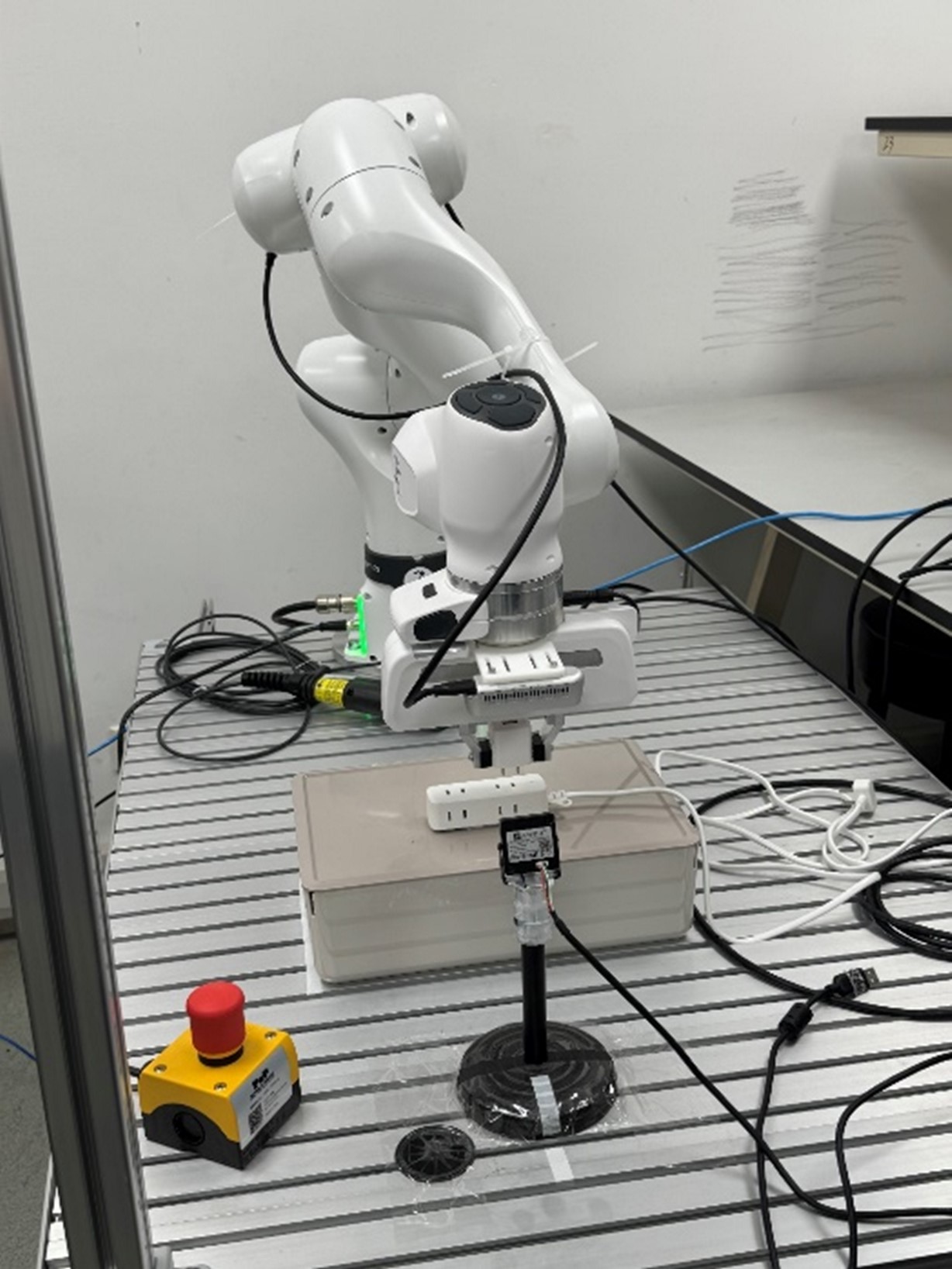
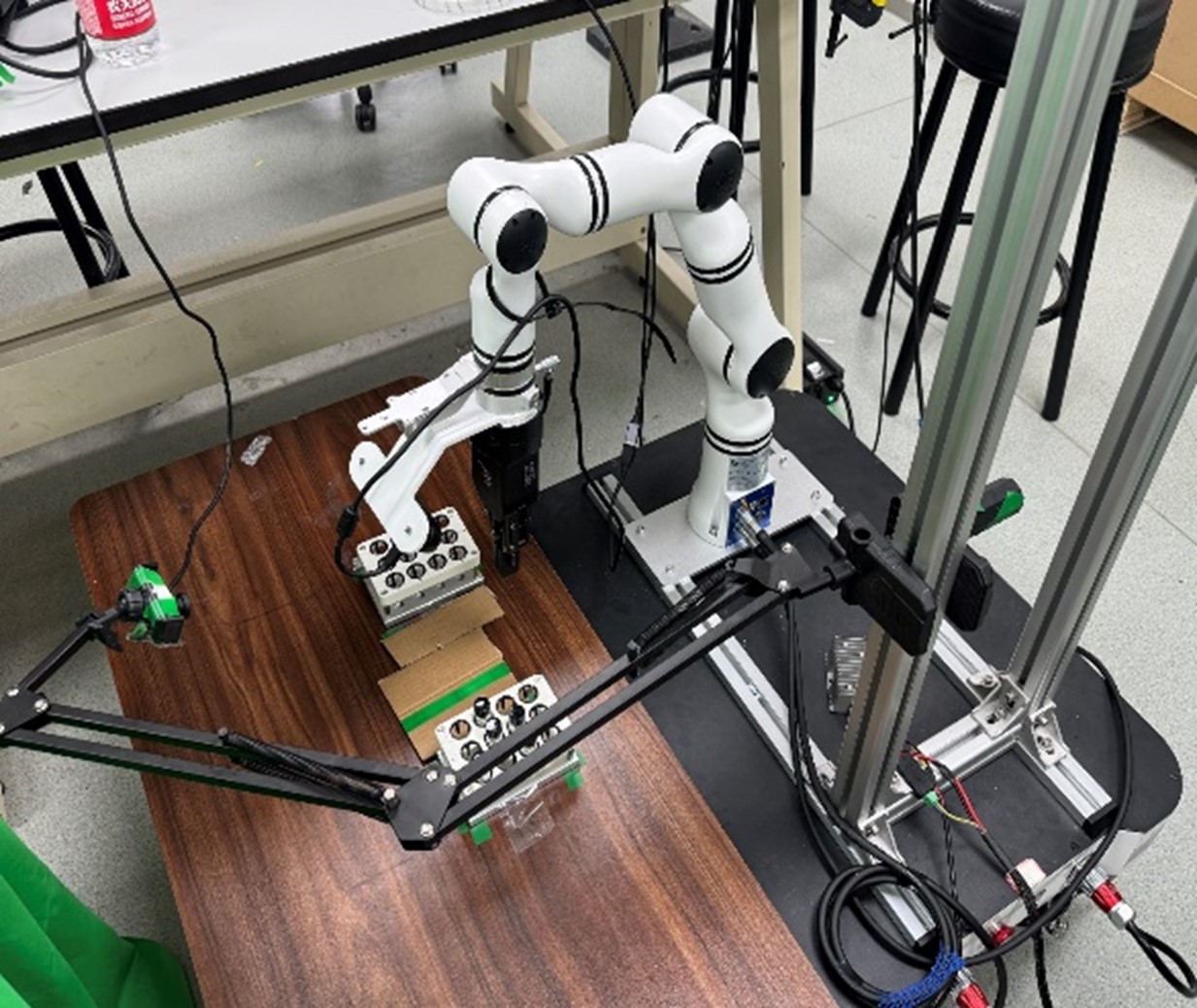
Supported by platforms including Franka, RealMan, Unitree G1, AgiBot G2, and AgileX mobile systems, the laboratory is able to carry out research across a wide range of scenarios, such as precision manipulation, industrial assembly, intelligent navigation, and obstacle avoidance, with the goal of building an embodied intelligence platform for future-oriented innovation and talent development.
The Centre shares access to a wide range of robotic platforms and perception systems in the Embodied AI Laboratory: