




AI Robotic Scientist Lab
Intelligence Driven · Precision Discovery · The Future is Here


Objectives
The AI-RSL is designed to improve, elevate and transform the research capabilities of the AMRC, SCI and XJTLU by integrating advanced AI and robotics into the disciplines of chemistry and materials science. Its core objective is to enhance innovation, improve efficiency and increase productivity by transforming traditional experimental workflows into intelligent, data-driven and standardized automated processes. This Lab aims to lead the shift towards ambitiously reshaping the next- generation of research and pedagogical methodologies and establishing XJTLU as a global leader and widely recognized hub for pioneering chemistry and materials science research.
To realize this vision, AI-RSL will focus on advancing the following three strategic objectives:
- Pilot the Application of Robotics and AI to Accelerate Innovative Materials Discovery;
- Serve as a Model for Integrating AI and Robotic Technology Across XJTLU’s Broader Research-led Education Framework;
- Attract Top Talent and Establish XJTLU as a Global Leader in Materials Research.
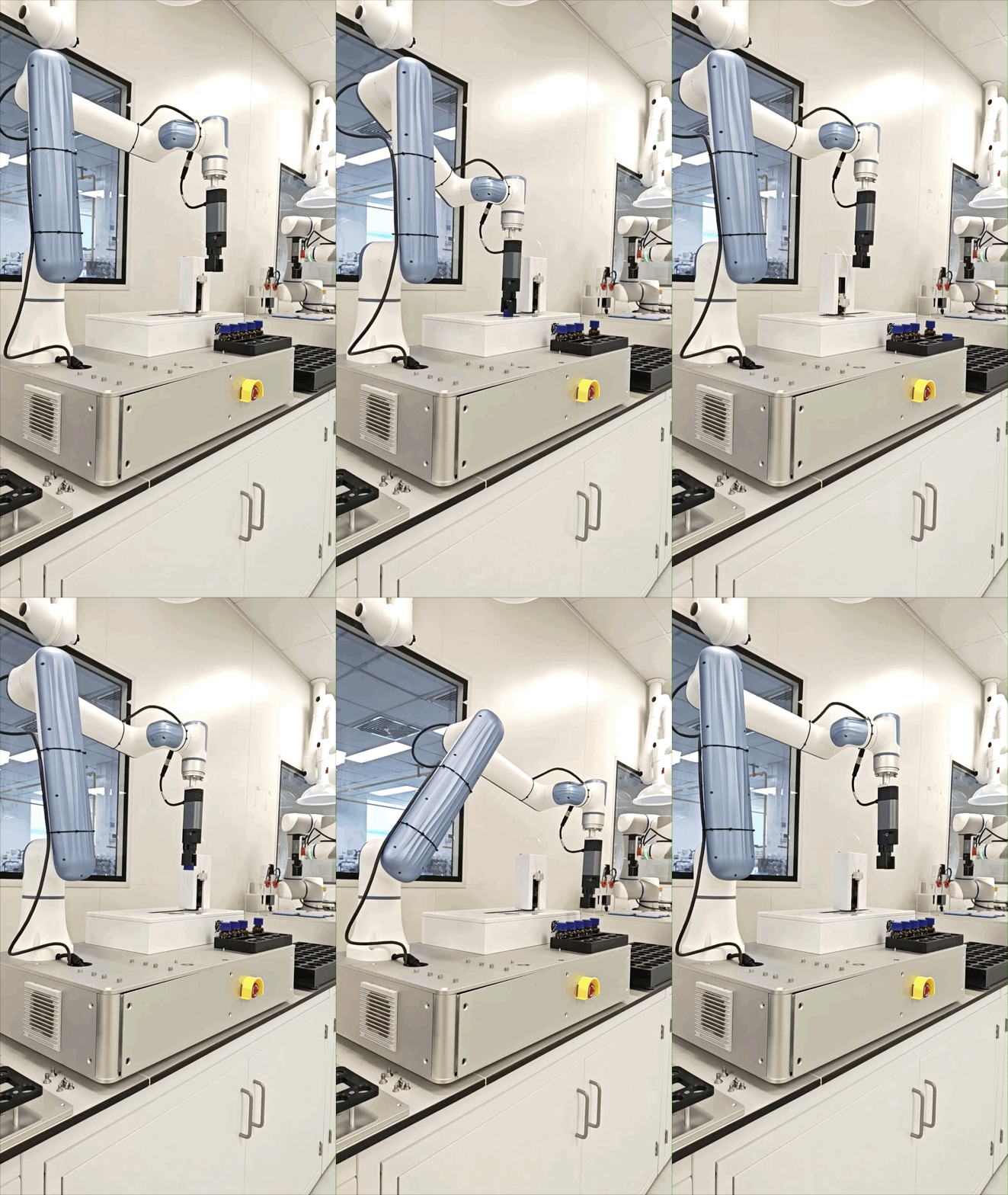
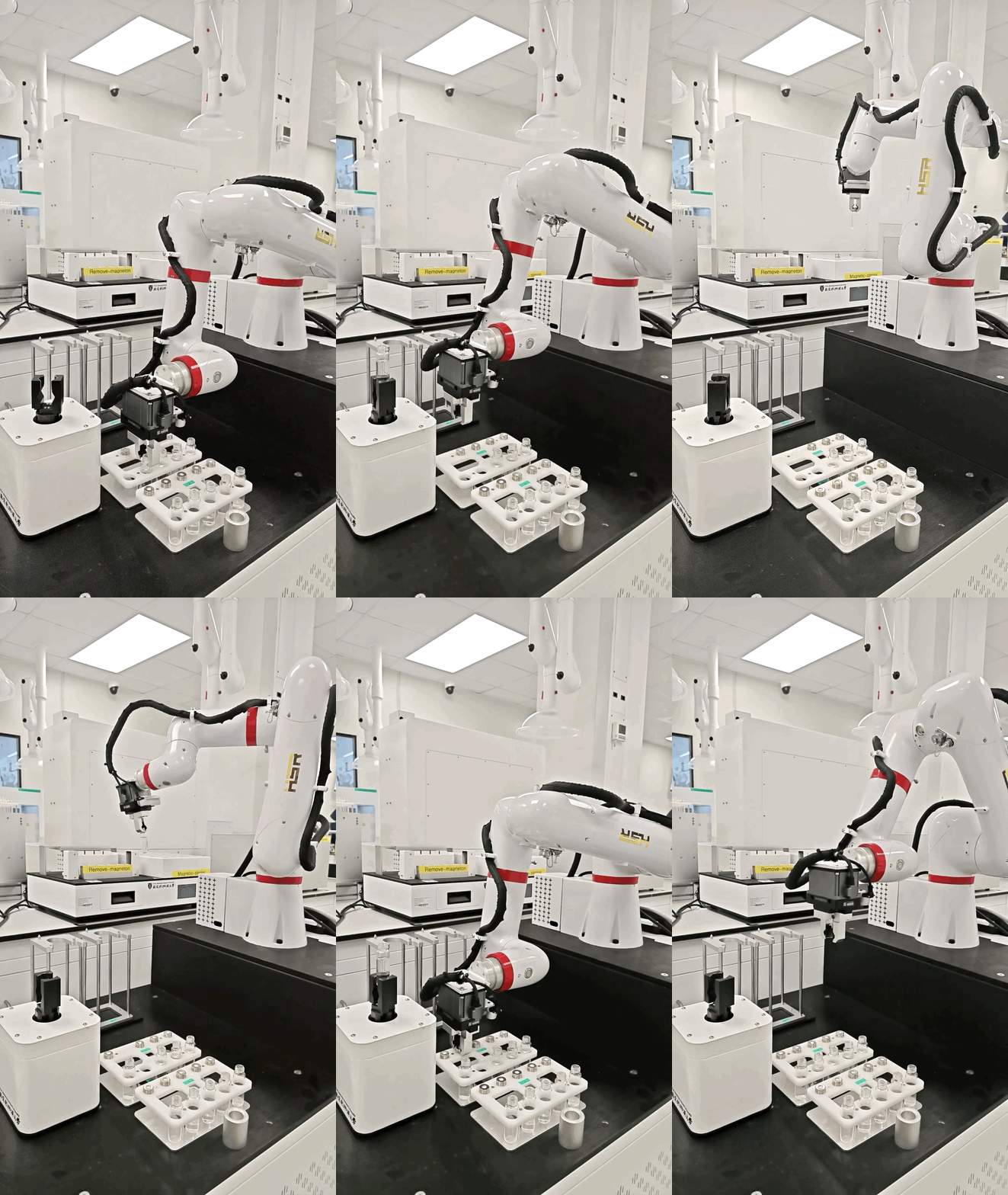

Current Key Project 1
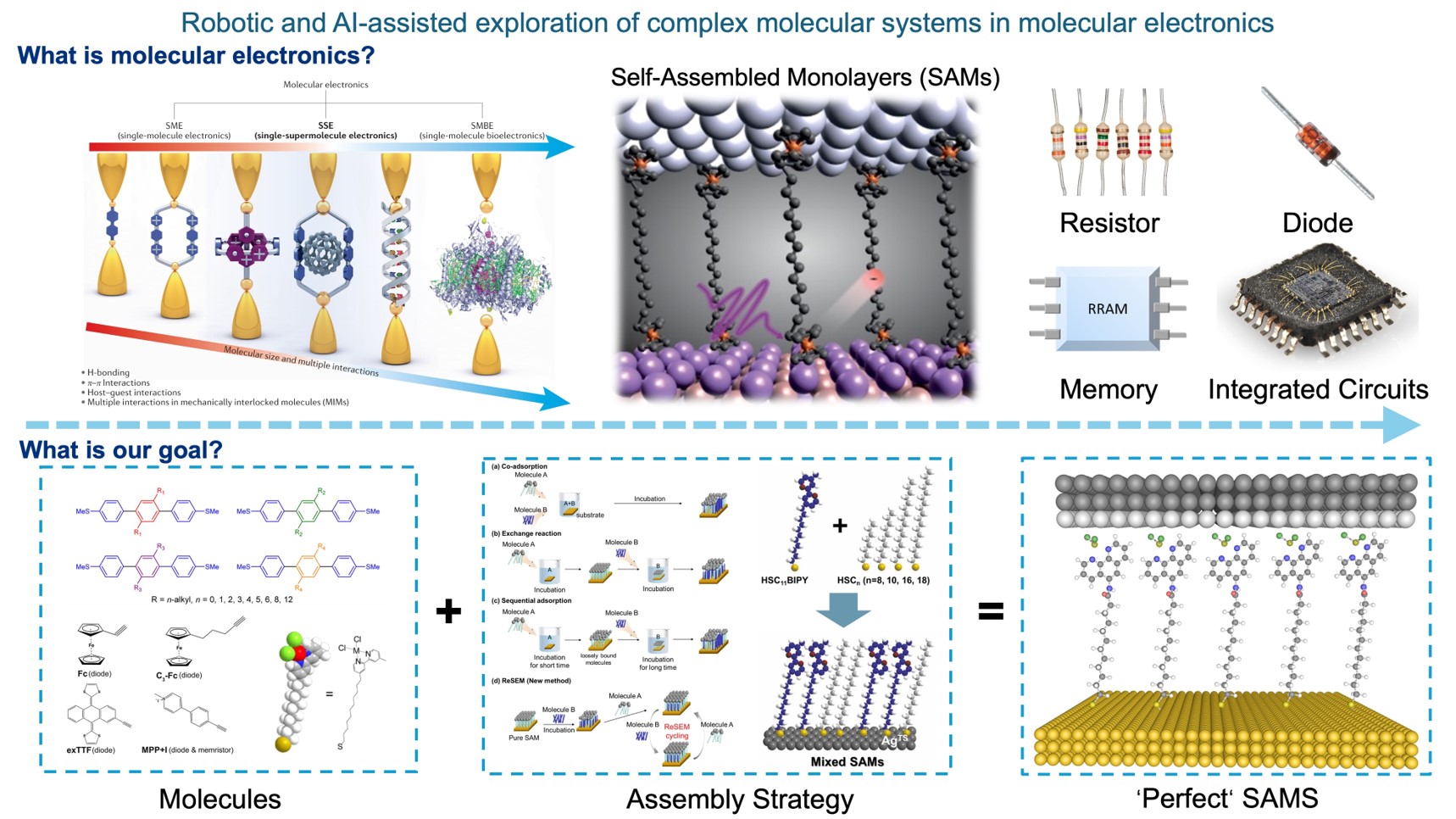
Robotic and AI-Assisted Exploration of Complex Molecular Systems in Molecular Electronics
Project Overview
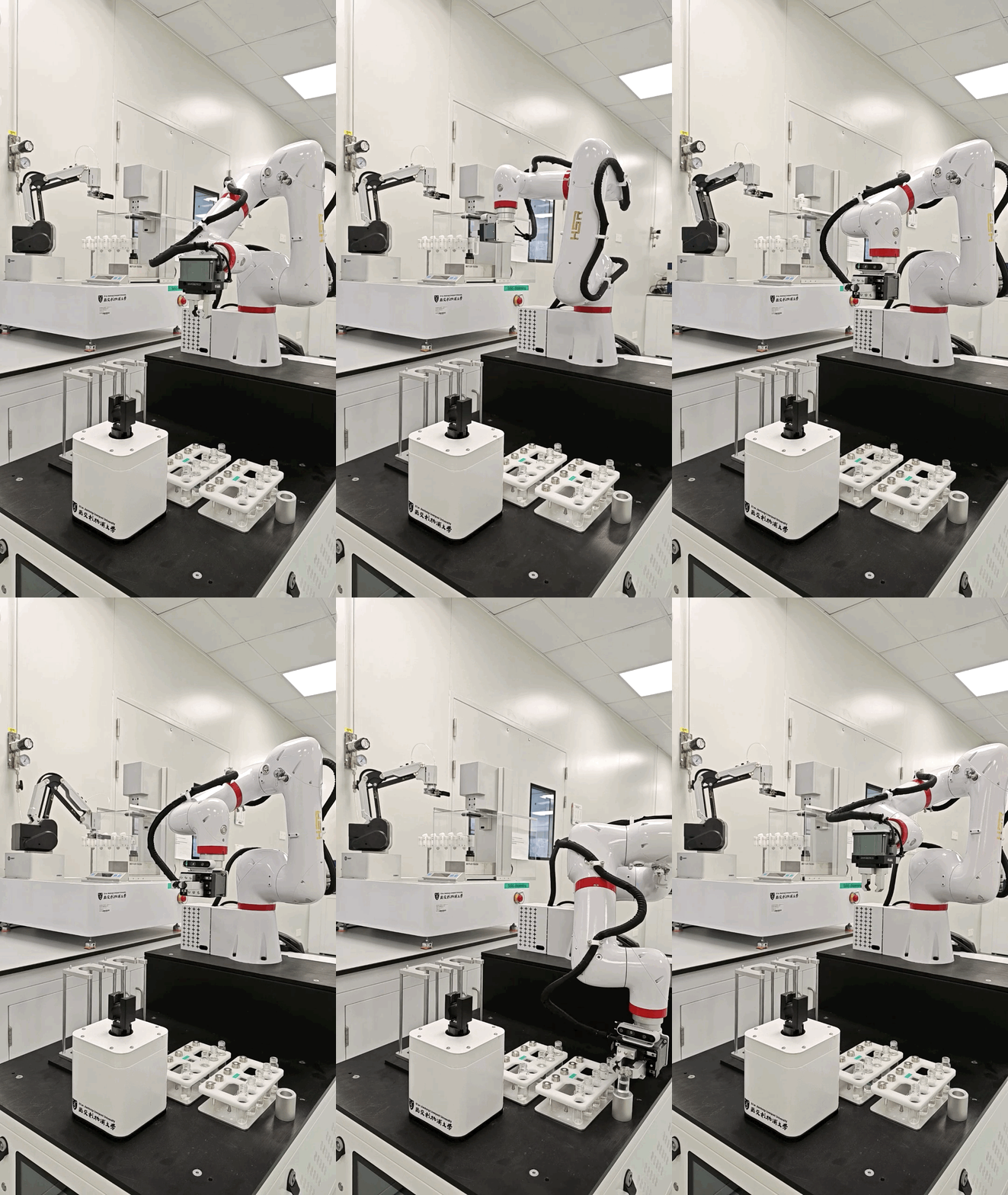
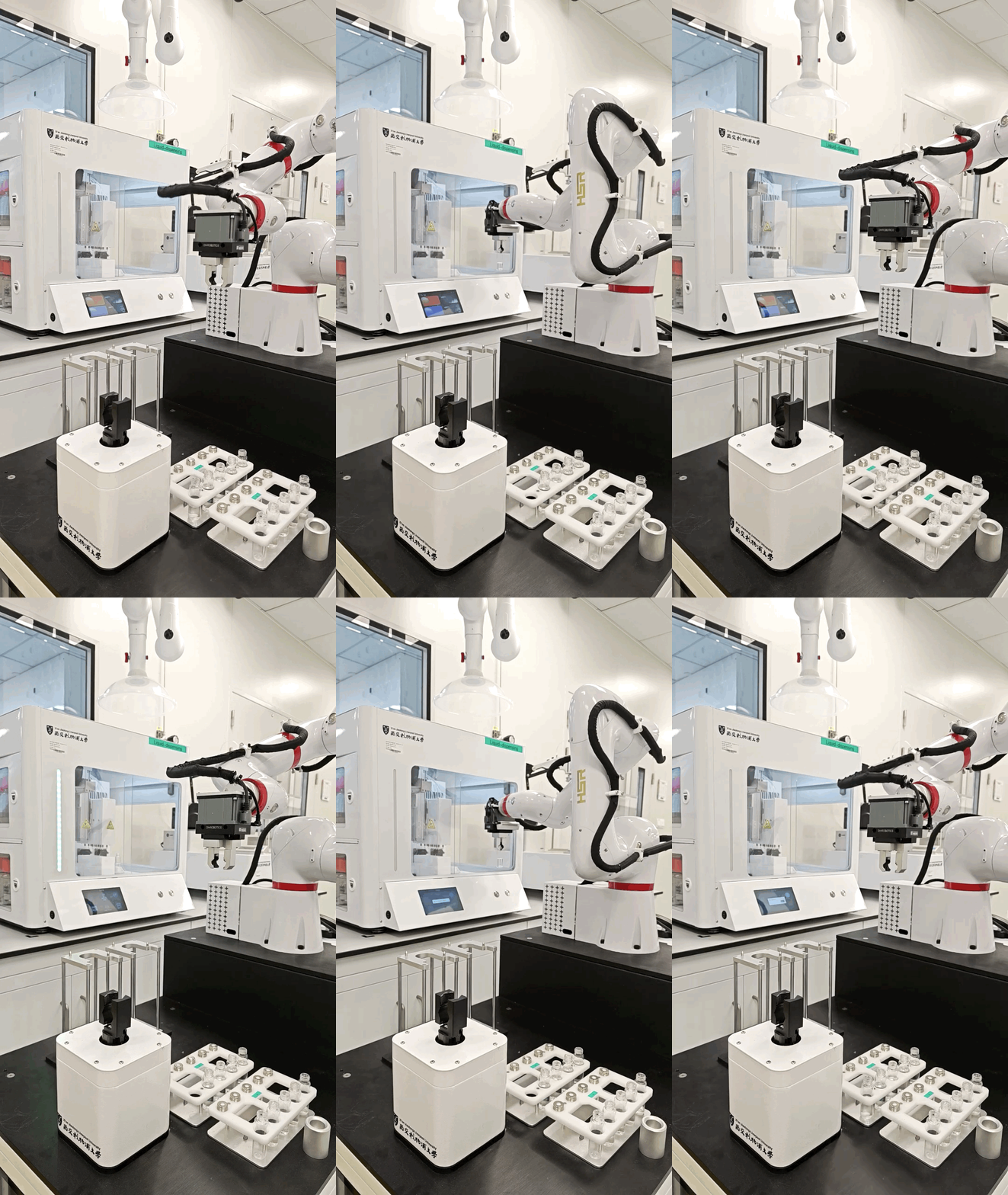
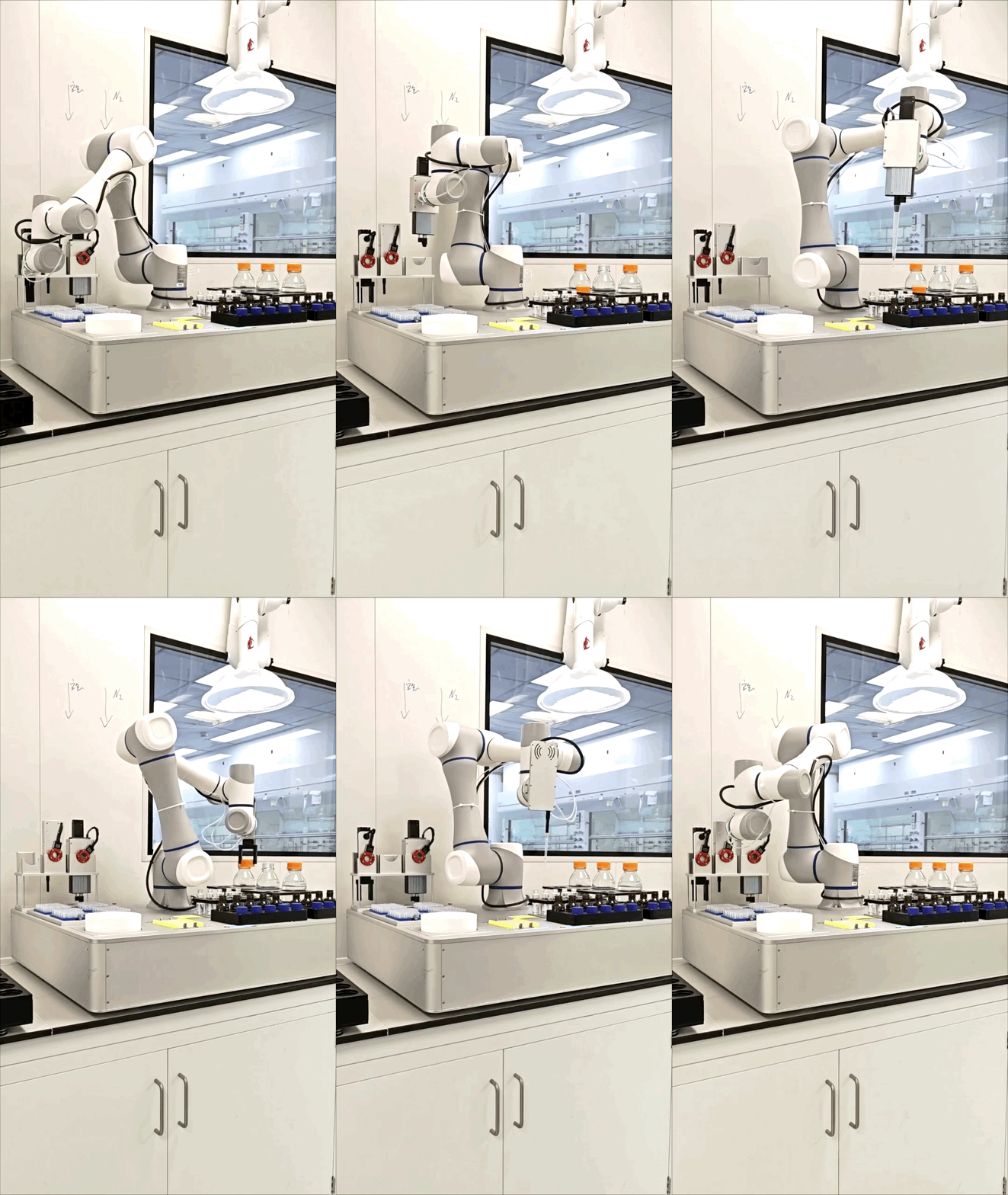
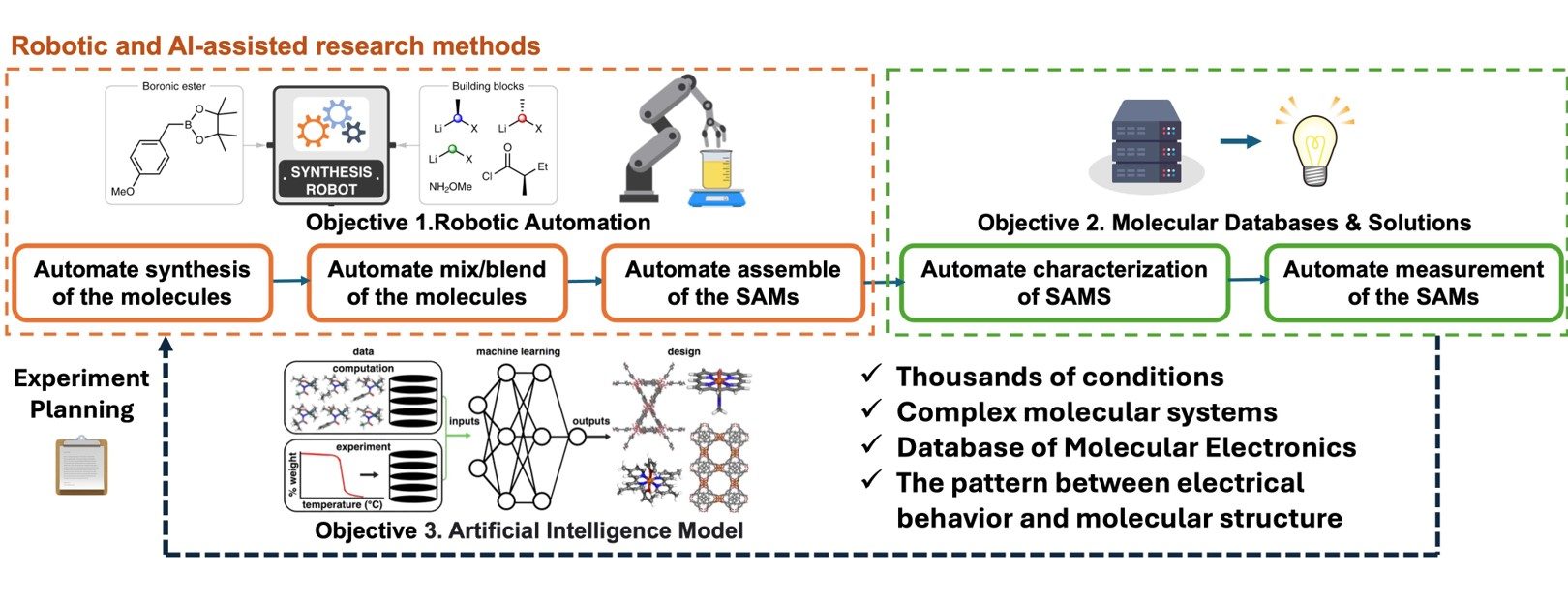
This project aims to overcome longstanding barriers in molecular electronics research, we develop an integrated platform capable of automated synthesis, solution handling, SAMs fabrication, EGaIn measurements, and multi-modal characterization.
Key Technologies
- Robotic Automation Platform (From Molecules to Devices)
- High-Throughput Exploration Strategy for Mixed Self-Assembled Monolayers (Mixed SAMs)
- Construction of Complex Self-Assembled Monolayers via “Click Chemistry”
- AI-Driven Experiment Planning and Database Development
Current Key Project 2
Intelligent Material database & Robotic Sensing platform
Project Overview
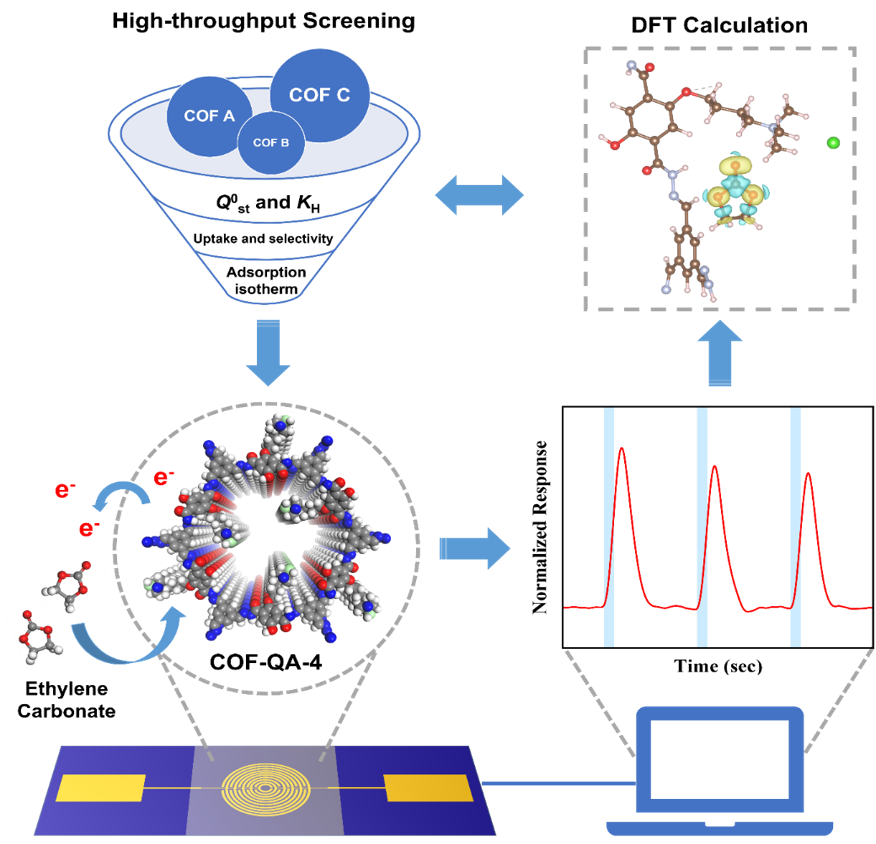
This project aims to develop an integrated Intelligent Material Database and Robotic Sensing Platform that bridges advanced materials science with autonomous robotic experimentation. The Intelligent Material Database will curate, organize, and predict the properties of diverse materials (e.g. polymers, 2-D materials and MOFs/COFs). Integrated with the robotic sensing platform, the system enables high-throughput, real-time characterization of these materials and automates key experimental tasks.
Key Technologies
- High-throughput data generation for intelligent material database development
- Robotics-enabled data generation with high reproducibility
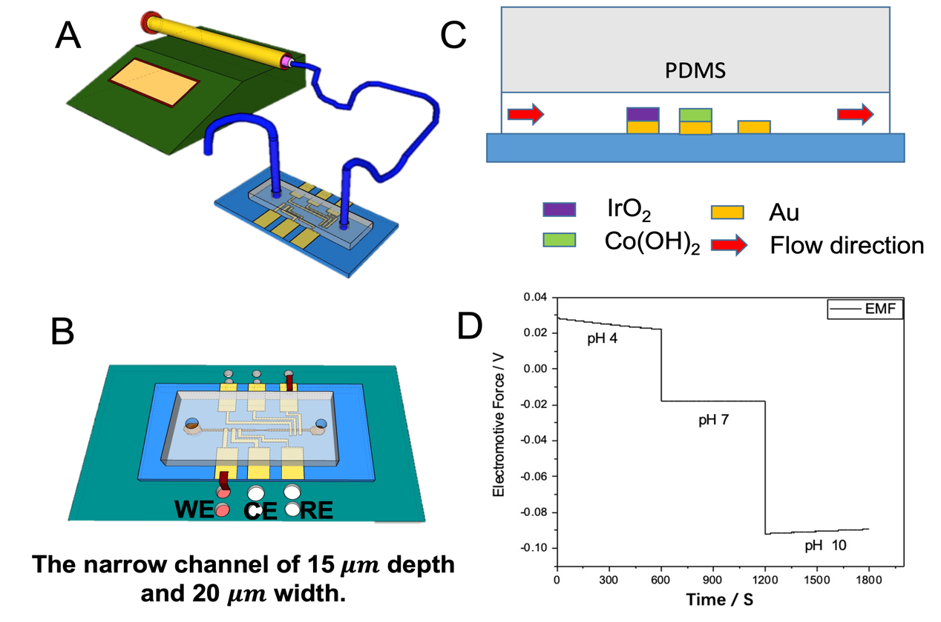
- Multi-array sensing for multi-target molecular recognition
- AI-aided new material development
Current Key Project 3
Photocatalytic and electrocatalytic C–F Bond Activation: Strategies for the Complete Defluorination of Per- and Polyfluoroalkyl Substances (PFAS)
Project Overview
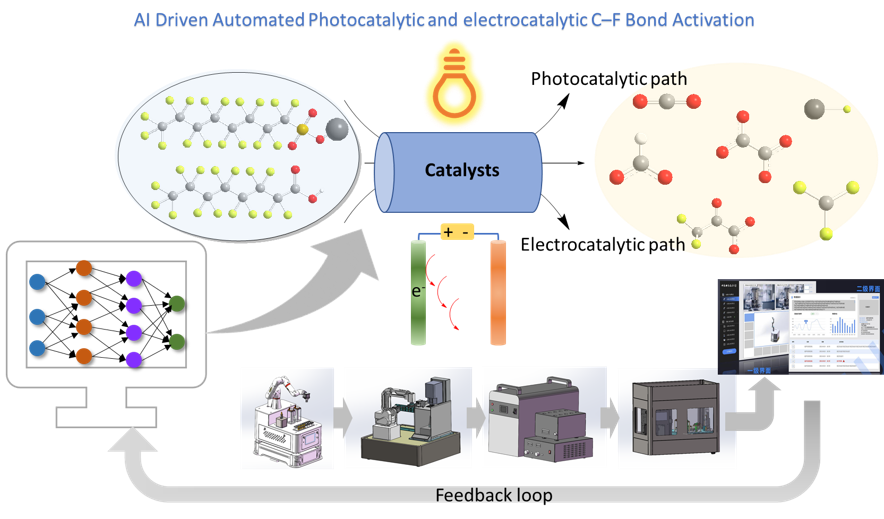
This research transforms the remediation of persistent organic pollutants (PFAS) into a scalable “smart” technology. By utilizing high-throughput, data-driven workflows, it accelerates the development of catalysts for the defluorination and degradation of various PFAS, providing a cost-effective and energy-efficient solution for degrading persistent “forever chemicals” in complex waste.
Key Technologies
- High-Throughput Robotic Screening Platform: An automated solid and liquid handling and photoreactor system.
- AI-Driven Material Design: Prediction of photocatalytic and electrocatalytic performance.
- Active Learning Feedback Loops: The “brain” connecting the AI and the Robot.
Introduction
The construction project for the AI Robotic Scientist Laboratory (AI-RSL) at XJTLU was officially launched on 1 August 2025. The establishment of the AI Robotic Scientist Lab (AI-RSL) represents a pivotal step in XJTLU journey to becoming a leader in global materials research and technological innovation. As a strategic initiative under the umbrella of the Advanced Materials Research Centre (AMRC) and supported by the School of Science (SCI), XJTLU, this innovative Lab is dedicated to establishing a world-leading robotic scientist laboratory at the cutting edge of the intersection between artificial intelligence, robotics and chemical sciences. Through interdisciplinary collaboration between academia and industry, the laboratory will systematically advance the deployment of hardware clusters, the development of core algorithms and the integration of intelligent systems. The Lab will dramatically enhance accuracy, improve efficiency and increase the speed of research, setting a new benchmark for interdisciplinary innovation, pedagogical approaches and high-quality research outputs.
Our core vision is to build a next-generation flagship platform for scientific research-integrating automated experimental execution, high-throughput precision testing, AI-driven decision-making and in-depth analysis of complex big data-on the solid foundation of the Faculty of Science and the Centre for Advanced Materials at XJTLU. The laboratory’s core strategy is to deploy AI-driven robotic laboratory assistants to enable 24/7, high-precision autonomous experimentation. This will significantly enhance the efficiency of new materials R&D, overcoming the limitations of manual labor, data silos and repetitive tasks inherent in traditional research. Ultimately, this will increase overall R&D efficiency by an order of magnitude and provide innovative solutions to major challenges in critical sectors such as energy, healthcare and the environment.
Beyond its research capabilities, the AI-RSL will play a pivotal role in education. By providing students with access to AI Robotic driven technologies and hands-on experience, the Lab will prepare them to thrive in an AI-driven research and industry ecosystem. Furthermore, it will showcase XJTLU as a forward-thinking institution that prioritizes innovation and interdisciplinary collaboration, attracting top talent and fostering a vibrant academic community. This dual focus on research and education ensures the AI-RSL’s long-lasting impact on both the university and the broader scientific landscape.