




BA (Hons) Translation and Interpreting
Guided by the vision of “digital minds, cultural bridges”, the BA Translation and Interpreting programme combines linguistic expertise, intercultural insight, and AI fluency. The programme develops translators, interpreters, and innovators equipped for the evolving language services industry.


September 2027

Full time

Four years

Not Available

Suzhou


XJTLU undergraduate students earn two degrees: an XJTLU degree recognised by the Chinese Ministry of Education and a globally respected University of Liverpool degree.

Knowledge and skills
Graduates of the programme will have:
- a strong understanding of translation and interpreting, informed by the latest academic and industry developments;
- advanced practical skills for complex translation and interpreting tasks;
- the intercultural expertise to communicate effectively in international settings;
- AI and digital fluency for high-quality translation and effective human-machine collaboration;
- the versatility to work across business, law, digital media, digital culture, AI, and technology; and
- strong professional skills in communication, teamwork, problem-solving, and adaptability.
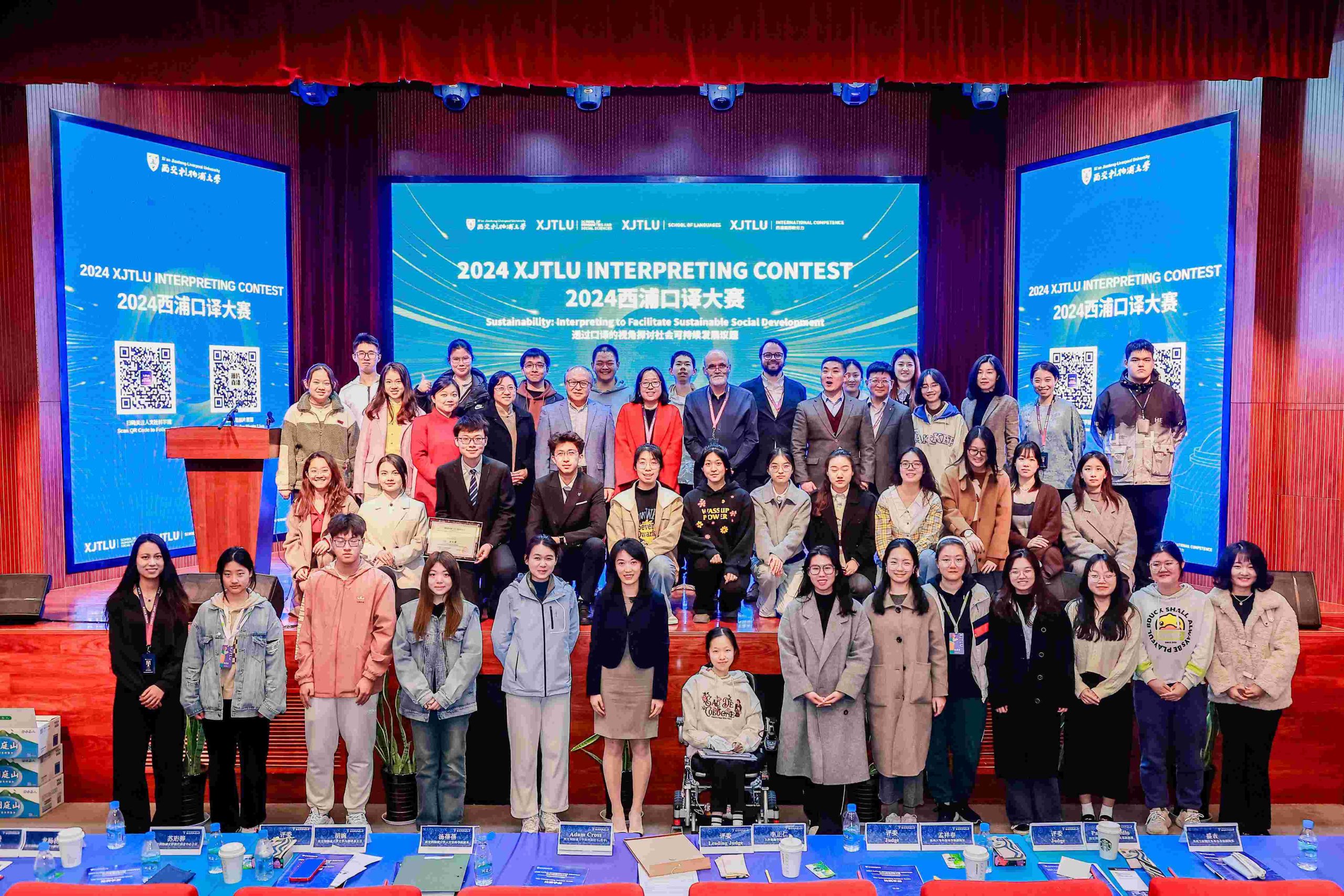
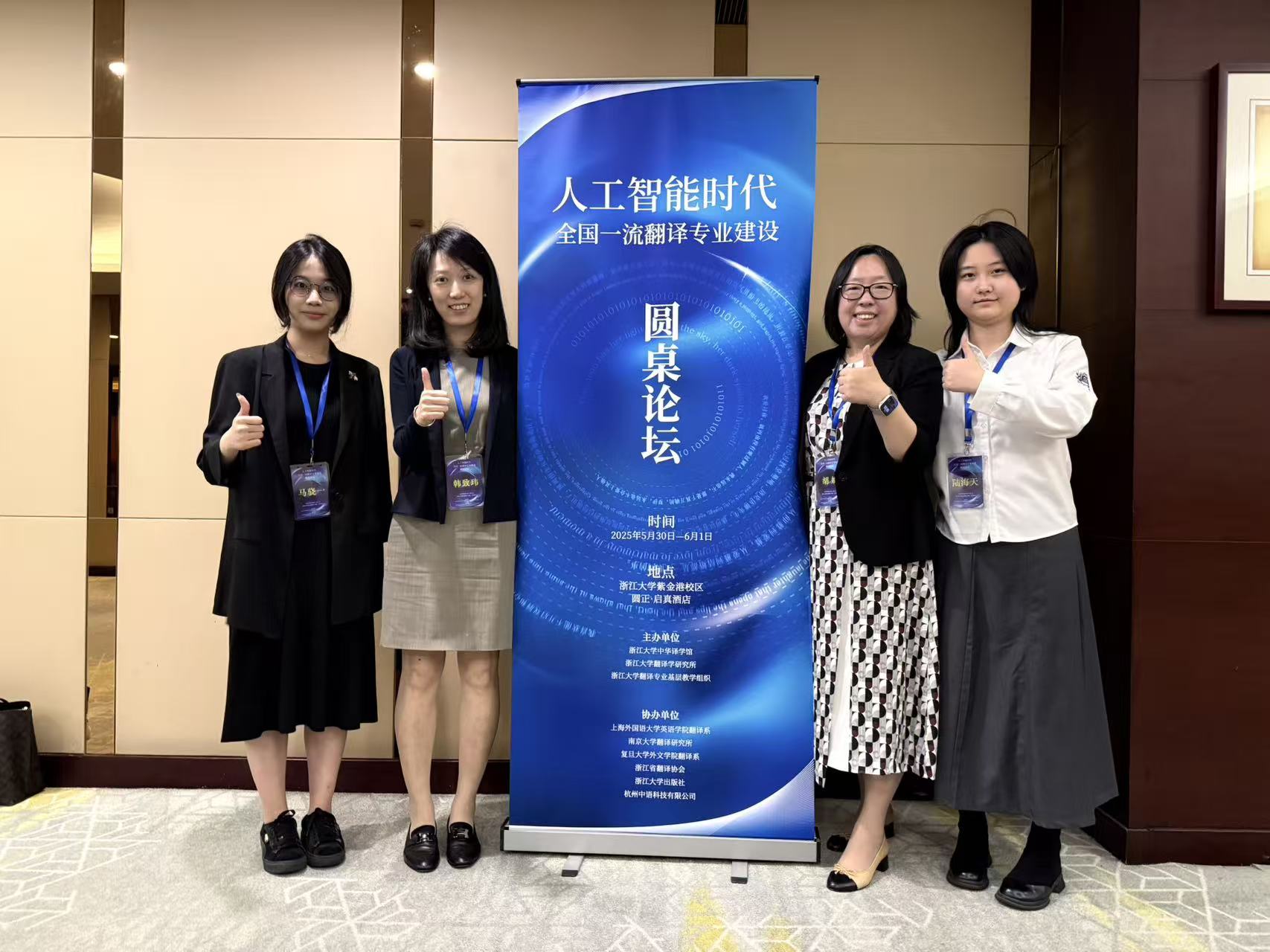
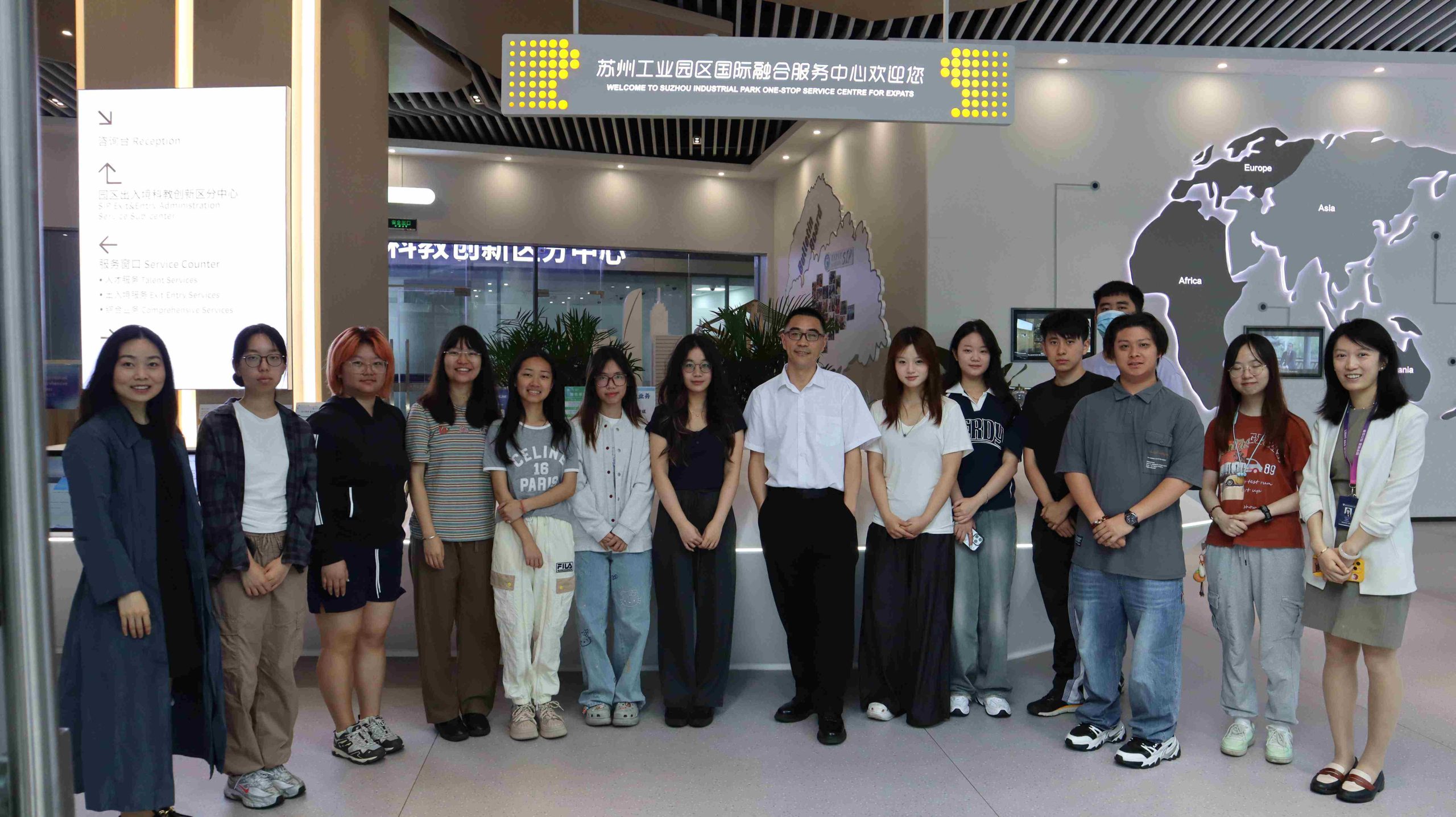
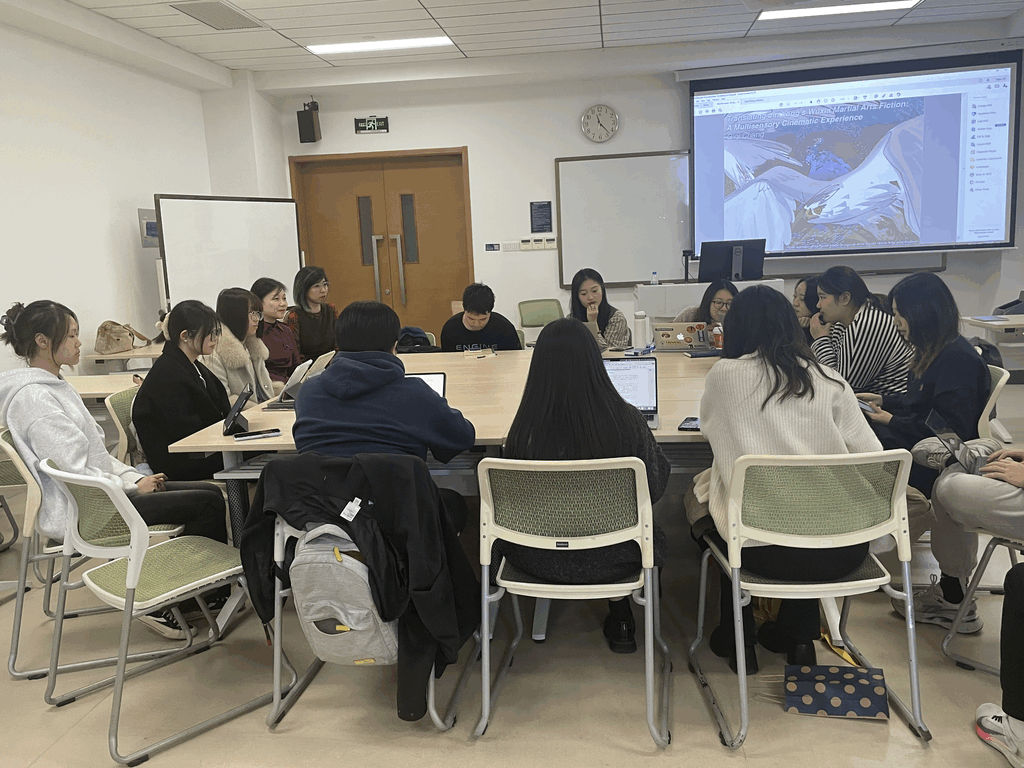
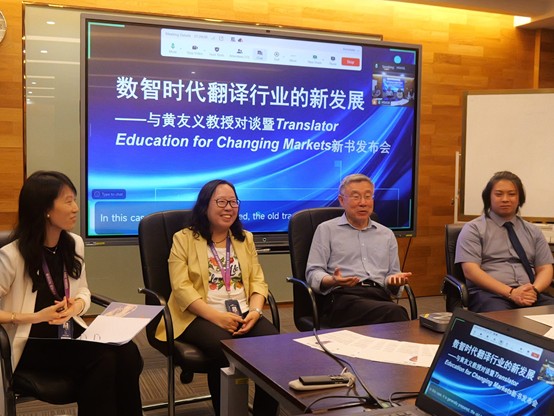
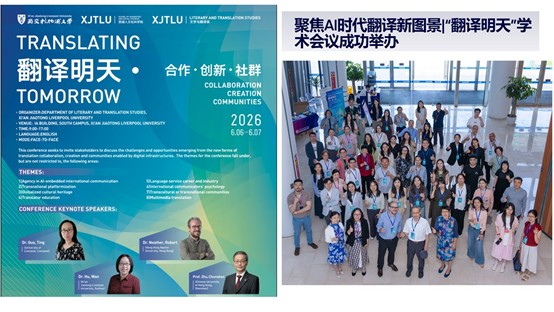
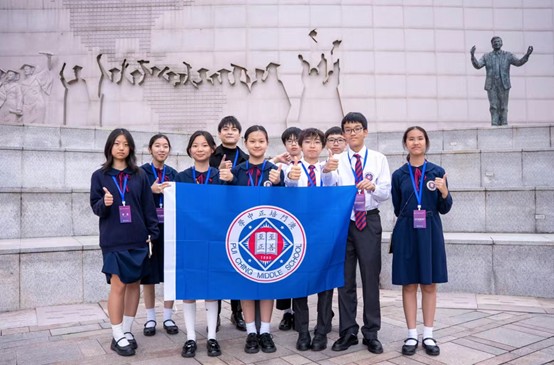
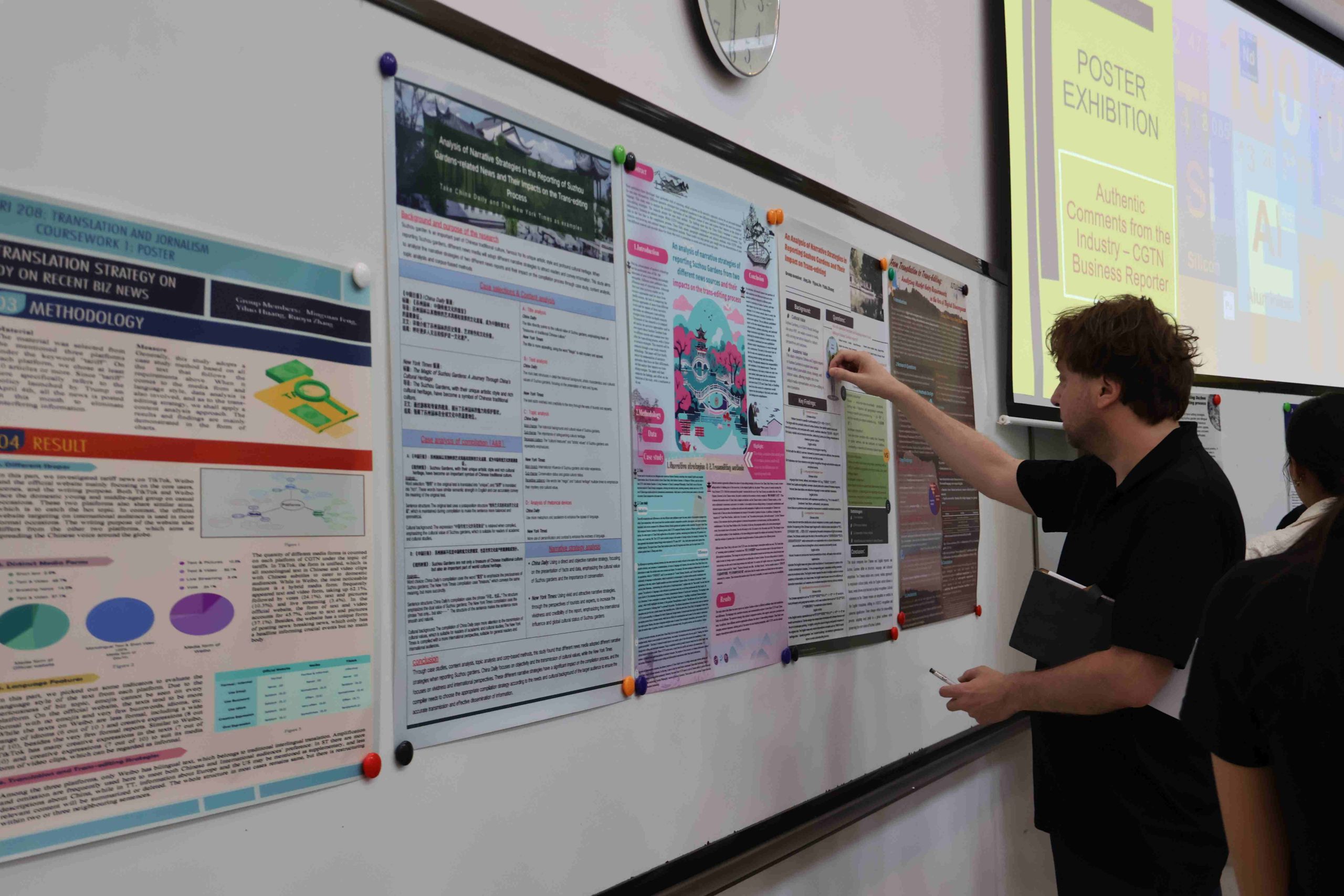
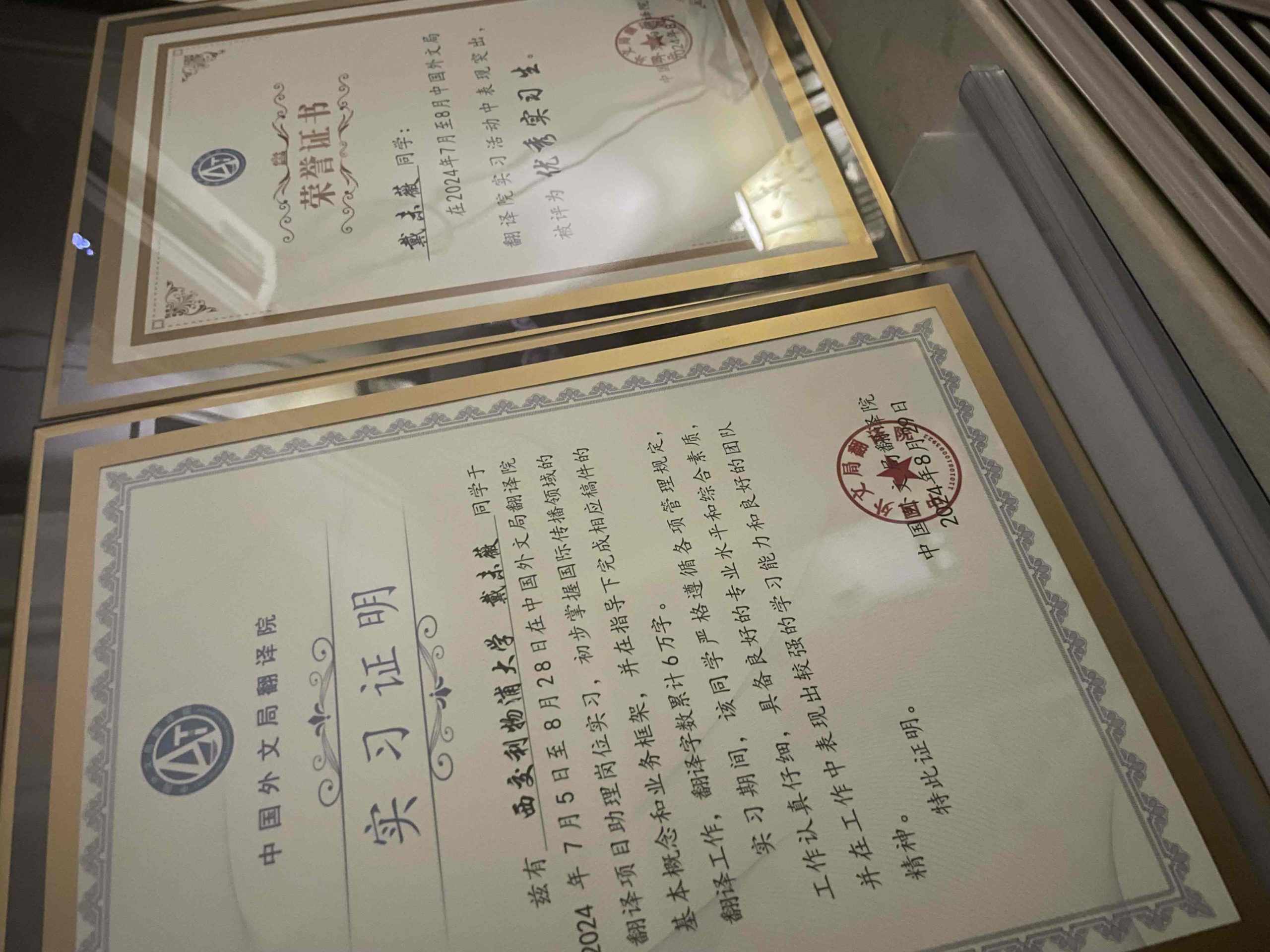
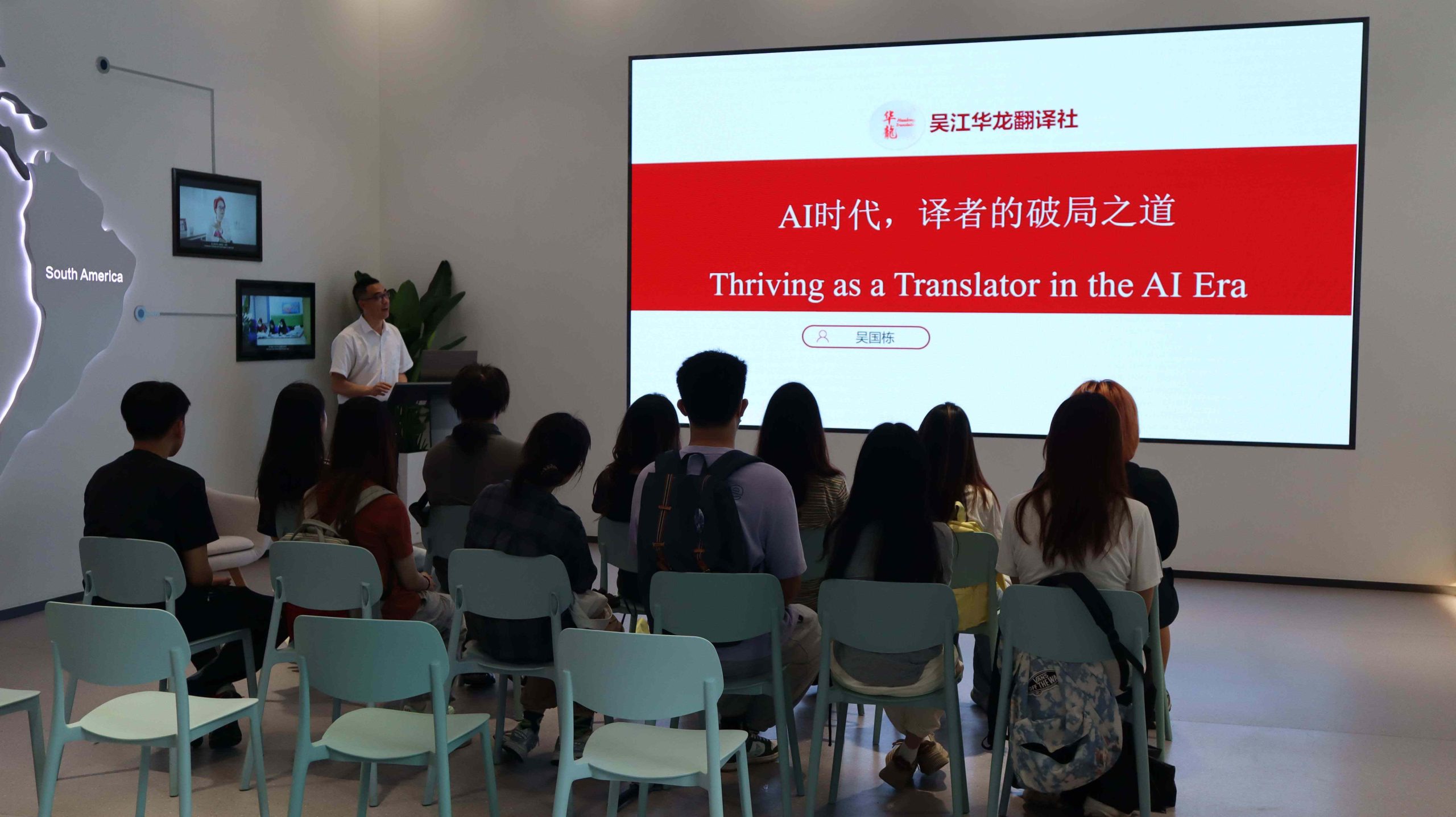

Our BA Translation and Interpreting programme prepares students to become well-rounded professionals equipped with expertise in translation studies, core skills required by the translation and language services industries, and the digital agility to thrive in a rapidly evolving world.

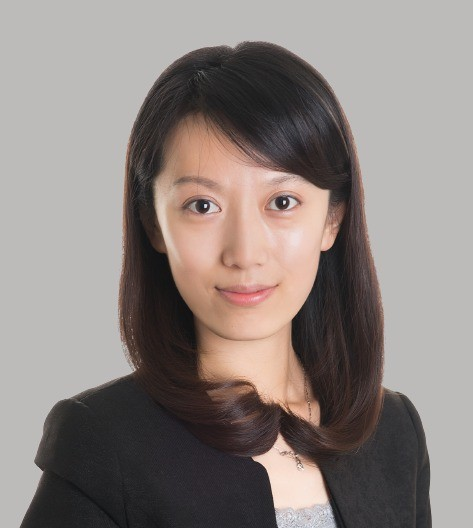
Dr Zhiwei Han
Programme Director
Modules
*Programme modules listed are illustrative only and subject to change. XJTLU students are advised to log in to the e-Bridge Portal to view the effectuated module structure.
Xi’an Jiaotong-Liverpool University offers a wide range of courses in the first year, including English for academic purposes (EAP), mathematics and physics, and humanities and social sciences. Click to learn more.
Core Modules
Optional Modules
Core Modules
Optional Modules
The BA Translation and Interpreting programme empowers me to delve deeper into both the theories and practices of translation. It was a dream come true to compete with talented interpreters from across the country in the final of the All China Interpreting Contest. Through liaison interpreting practice, I learned how irreplaceable human interpreters remain when situations change and flexible judgement is required. Participating in a research project on a framework for multilingual Traditional Chinese Medicine knowledge base development showed me that bilingual work does more than facilitate communication: it can reveal the interplay and underlying logic between cultures. The International Competence Programme, including training in Switzerland, then brought multilingual cooperation and global communication into sharper focus. From competitions and research to interpreting practice and international training, the BA Translation and Interpreting programme has strengthened my determination to connect languages, cultures, and people.

Zijie Wei
Class of 2024
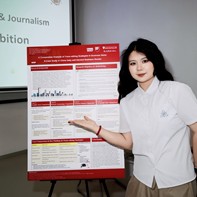
From the negotiation table of Model United Nations to business meeting rooms at a Fortune 500 company, translation has always been my bridge to diverse perspectives and the art of capturing meaning beyond words. Translators communicate with precision within constraints and navigate with agility between cultures. During my undergraduate studies in the BA Translation and Interpreting programme, I have taken part in business interpreting, localisation for international communications, and bilingual content development, refining my bilingual competence, analytical skills, and intercultural thinking through each real-world assignment. My professional experience spans official international publicity and business interpreting, as well as internships in Lujiazui and in the marketing track of a Fortune 500 enterprise. These cross-field experiences have shown me that the value of language extends far beyond traditional translation. Equipped with the communication expertise and global outlook fostered by the BA Translation and Interpreting programme, I am exploring how linguistic strengths can be applied to brand and marketing communication as I work towards a career in international brand communication.
Aojun Liu
Class of 2023
My childhood dream to become a simultaneous interpreter is now taking me towards a wider world. Translation, to me, is a lens. Through it, I see cultural imagery flowing through film dialogue, precision and warmth finding their balance in a terminology database, and the light of being understood flickering in children's eyes. Studying in the BA Translation and Interpreting programme has helped me connect language, culture, and practice, gradually turning passion into grounded professional ability. From receiving the 2025 National Scholarship to securing a postgraduate offer from the University of Oxford, my childhood dream is becoming the starting point for a new journey. Translation sets emotions flowing, sets stories unfolding, and grounds me in the even, clear rhythm of the world breathing.

Zheni Yan
Class of 2026
When I first enrolled at XJTLU, I chose to study BSc Information and Computing Science. I soon realised that my true passion lay in the humanities and social sciences, so I decided to transfer to the BA Translation and Interpreting programme. Under our professors' guidance, I developed a systematic understanding of translation theory and practice, and won second prize in the consecutive interpreting category of the 14th All China Interpreting Contest. Four years of study have taught me that translation is more than language transfer: it is a bridge for cultural understanding and communication. Our teachers recognise each student's linguistic background and personal journey, tailoring their guidance with genuine care and encouragement. This atmosphere led me to join the EQA-TRI project, where we used professional translation software to work on university policy documents, experienced translators' workflows, and connected classroom learning with market requirements. The International Competence Programme further broadened my understanding of global issues and intercultural communication. From science and engineering to translation, and now towards postgraduate study in international relations, I hope to turn my diverse background into a strength and become an intercultural communicator connecting the Greater Bay Area, China, and the wider world.
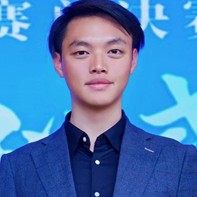
WengU Iao
Class of 2022
Teaching Faculty Perspective
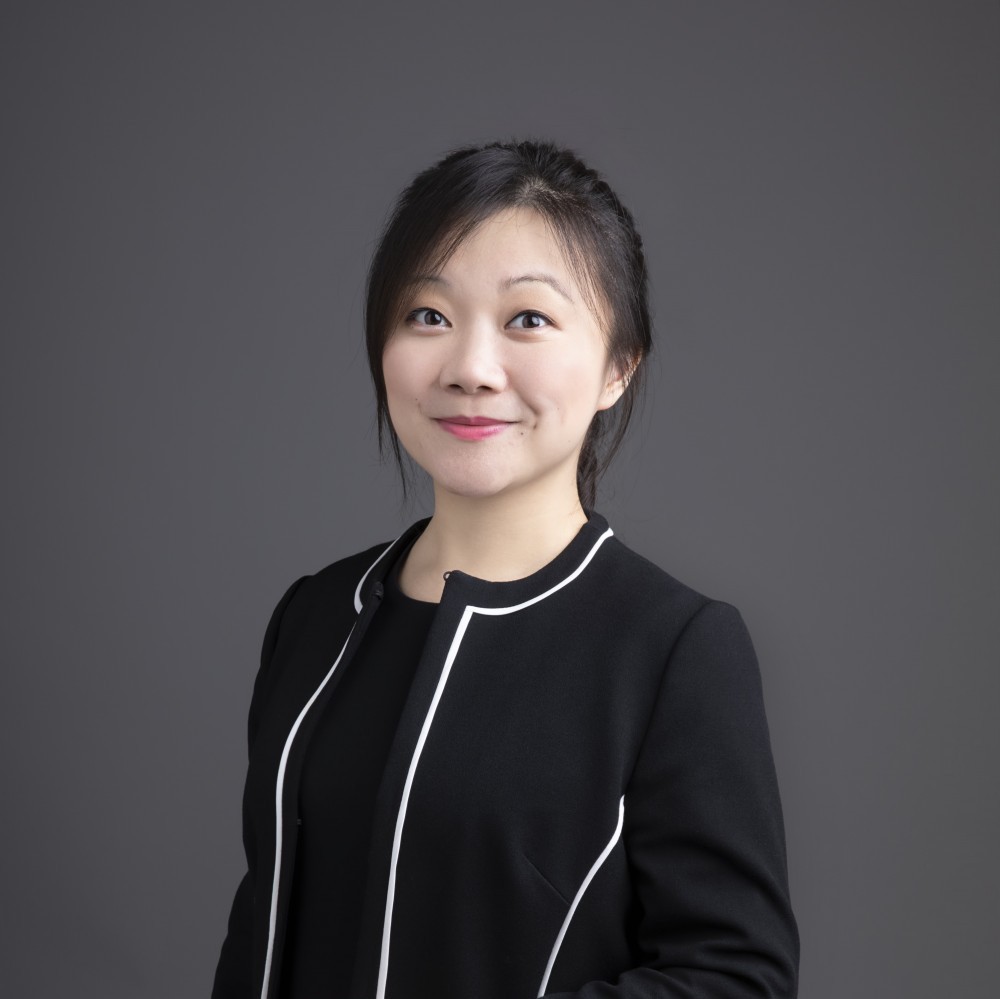
Dr Yangyang Long
Suzhou Outstanding Educator of the Year 2024
Recipient of the XJTLU Teaching Excellence Award (School of Humanities and Social Sciences)
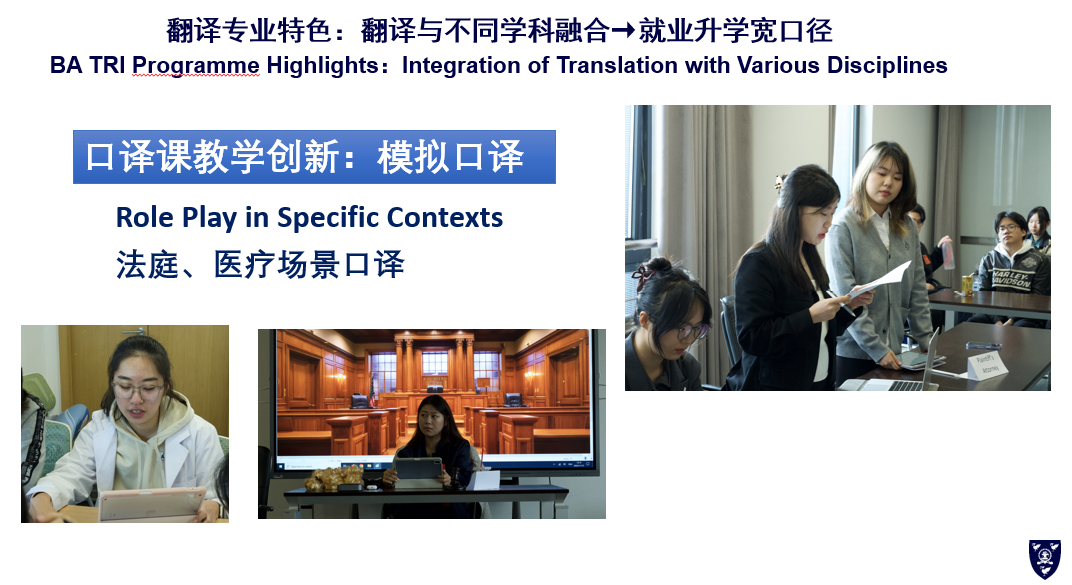
“In the BA Translation and Interpreting programme, we go beyond the classroom to make translation come alive. Students engage in hands-on, creative projects such as pitching to an editor (with guest speaker Gigi Chang, acclaimed translator of Jin Yong), receiving comments and evaluations on news translation posters from leading media outlet CGTN, competing in video game localisation challenges featuring international students, and translating songs in the open air at Dushu Lake Park. These dynamic formats are more than just fun – they foster peer learning, creativity, and real-world application. By taking ownership of their ideas and collaborating closely with one another, our students gain the confidence and critical-thinking abilities to thrive in a digitally connected, multicultural world.”
Career
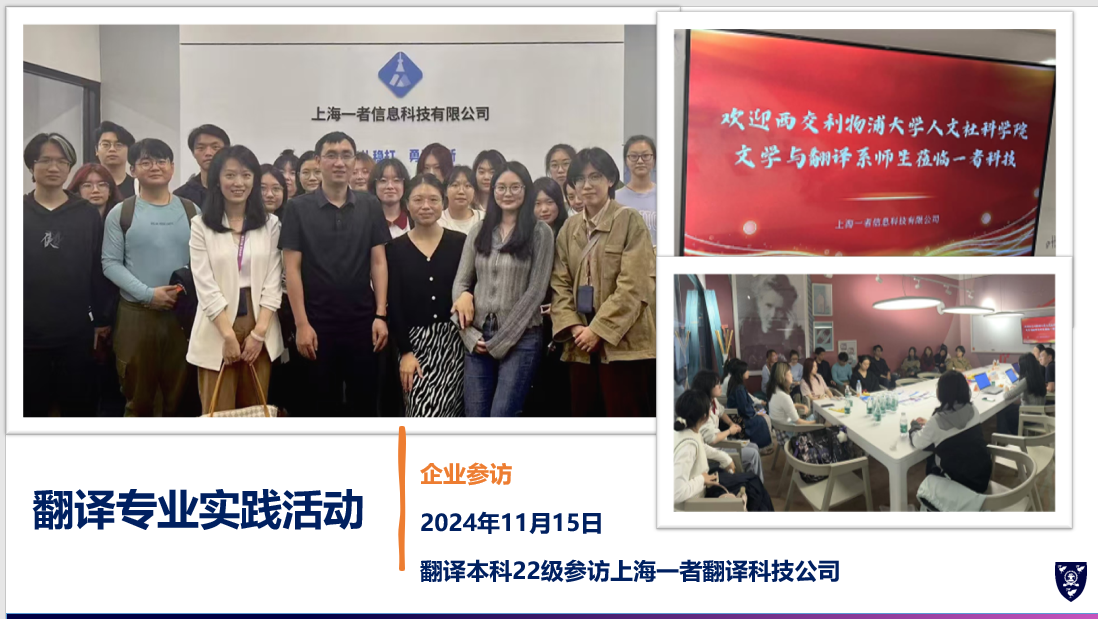
Students pursue careers across a wide range of sectors. Representative employers and placement hosts include Forvis Mazars, Jaguar Land Rover China, the Academy of Translation and Interpretation at China International Communications Group, China Translation Corporation, Pui Ching Middle School (Macao), Shanghai Yizhe Information Technology, Suzhou Singapore International School, Wuxi Radio and Television, New Oriental Education and Technology Group, Suzhou Inovance Technology, and TEKsystems. Together, these opportunities reflect the programme’s distinctive career pathways, grounded in language expertise, intercultural competence, and technology-enhanced skills.
The programme opens up diverse career and postgraduate pathways. Graduates are prepared for specialist roles in translation and interpreting, as well as careers in AI product management, AI model evaluation, and language education. Their multilingual expertise, intercultural communication skills, and digital capabilities also equip them for roles in government and international affairs, multinational companies, digital media, fintech, human resources, and the cultural and creative industries. They may also pursue postgraduate study in translation, language technology, or other high-demand interdisciplinary fields.
Graduates have a strong record of progression to leading universities worldwide. More than half of the 2022 cohort continued their studies at universities ranked in the global top 20. Postgraduate offers include the University of Oxford, University College London, the University of Hong Kong, the University of Edinburgh, the University of Melbourne, the University of Sydney, the University of Warwick, and Renmin University of China. Graduates’ fields of study span translation, linguistics, psychology, education, language technology, computer science, media and communications, digital cultural studies, international relations, and international business law.
Overview
The programme adopts an interdisciplinary, cross-sector approach to the new roles and practices emerging in the AI era. It connects translation and interpreting with language technology, digital media, business, law, and digital culture.
Students can build expertise in:
Students shape their studies around their interests and career goals. They develop multilingual and intercultural expertise alongside strong research, analytical, interdisciplinary, and digital skills.
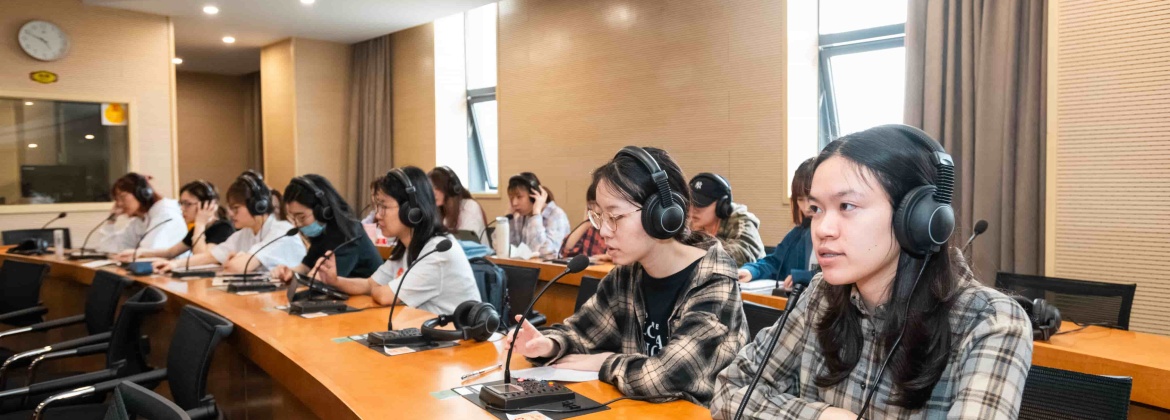
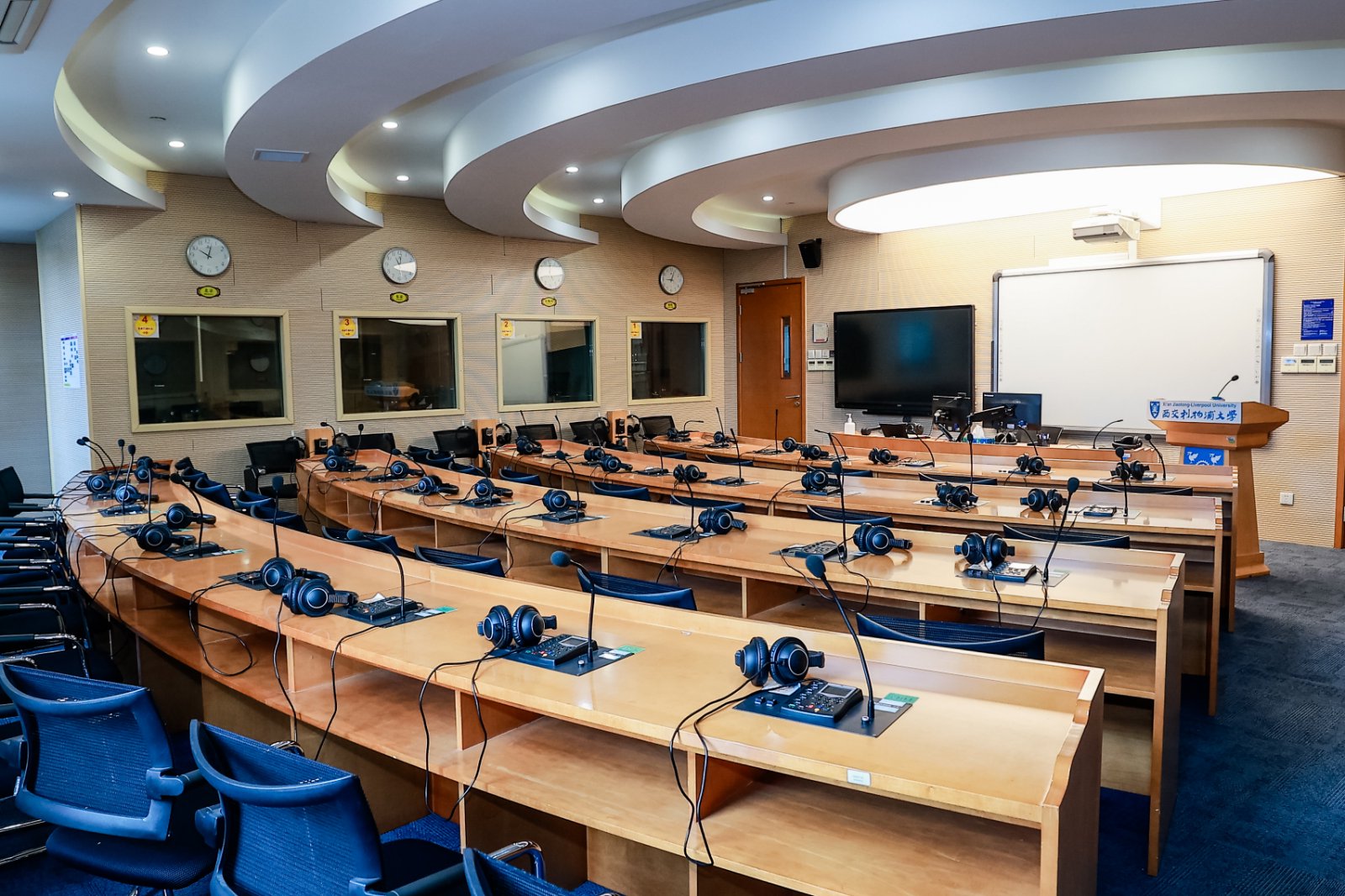
Students learn with advanced facilities and technologies, including translation and interpreting laboratories, an AI-assisted cloud translation platform, an eye-tracking laboratory, and an audiovisual translation platform. The programme’s Multimodal Translation Empowered by Digital Intelligence platform was selected for the Ministry of Education of China’s Virtual Simulation Teaching Innovation Laboratory initiative – the first XJTLU platform to receive this recognition. Teaching is led by accomplished professionals with strong academic credentials and extensive industry experience.
This interdisciplinary, practice-led, and technology-rich education develops the human judgement, creativity, and adaptability that remain vital in the AI era, preparing students for diverse and rewarding careers.