




Turning sustainability into a weeklong living experiment: XJTLU’s Earth Week explores new approaches

06 May 2026


From 20 to 26 April, Xi’an Jiaotong-Liverpool University hosted its 2026 Earth Week under the theme “Our Planet, Our Power”. The week was also part of XJTLU’s 20th anniversary activities.
Centred on moving “from awareness to action”, the week brought together interactive experiences, practical activities and interdisciplinary collaboration, encouraging students and staff to understand and practise sustainability in their daily lives.
Starting from campus: making sustainability visible and actionable
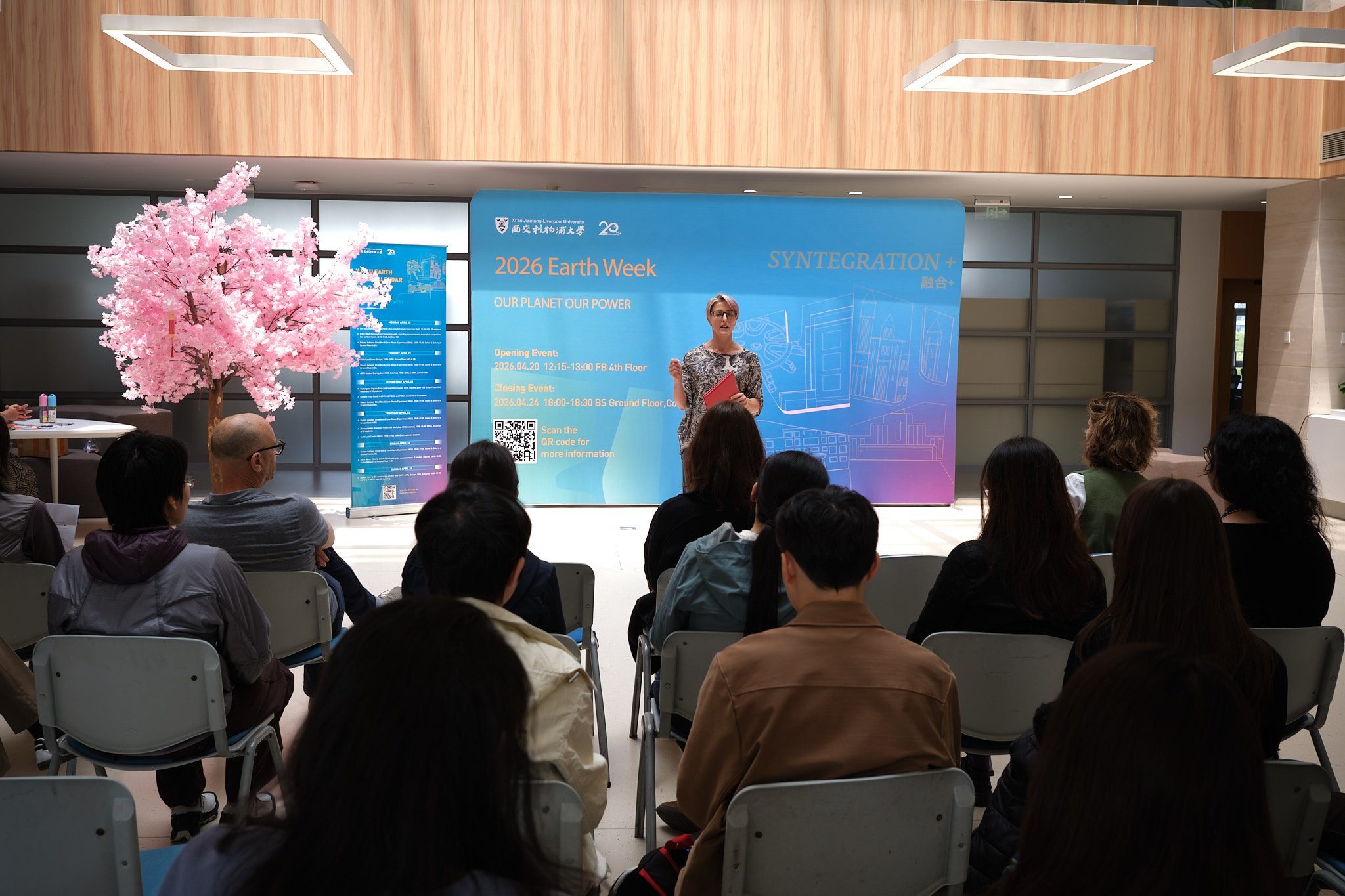
The week began with an opening ceremony at the Foundation Building on Central Campus.
Professor Stuart Perrin, XJTLU’s Chief Officer of Ecology, and Helen Beech, Director of the Global Cultures and Language Hub, delivered opening remarks.
Professor Perrin emphasised that Earth Week “should not be a week”, but should instead represent ideas that are important every day of the year.
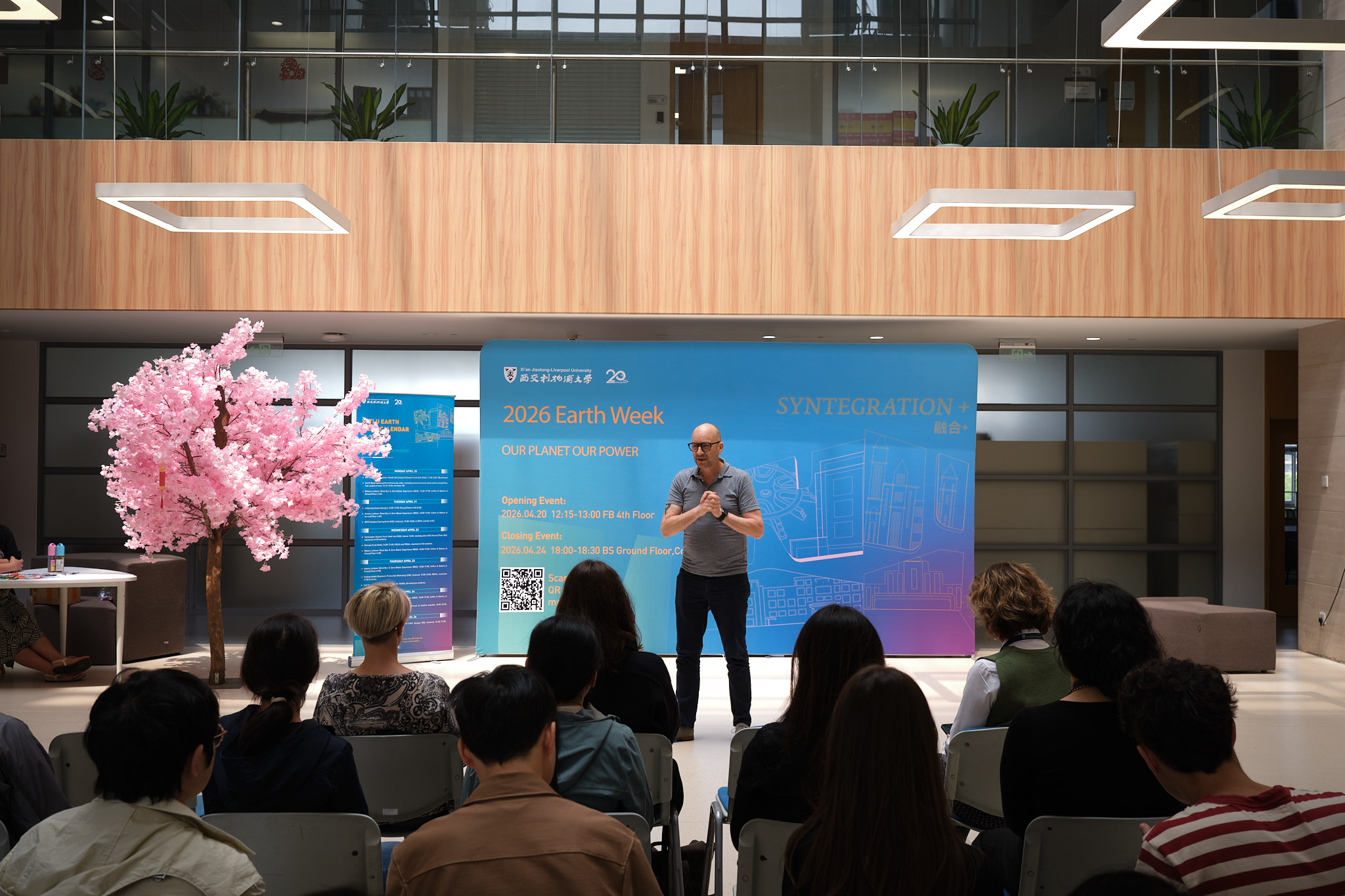
Dr Beech highlighted Earth Week as a platform for connecting Academies and schools, departments, students and staff across the University. She noted that meaningful change begins with everyday actions on campus, and depends on turning sustainability into practices that everyone can take part in.
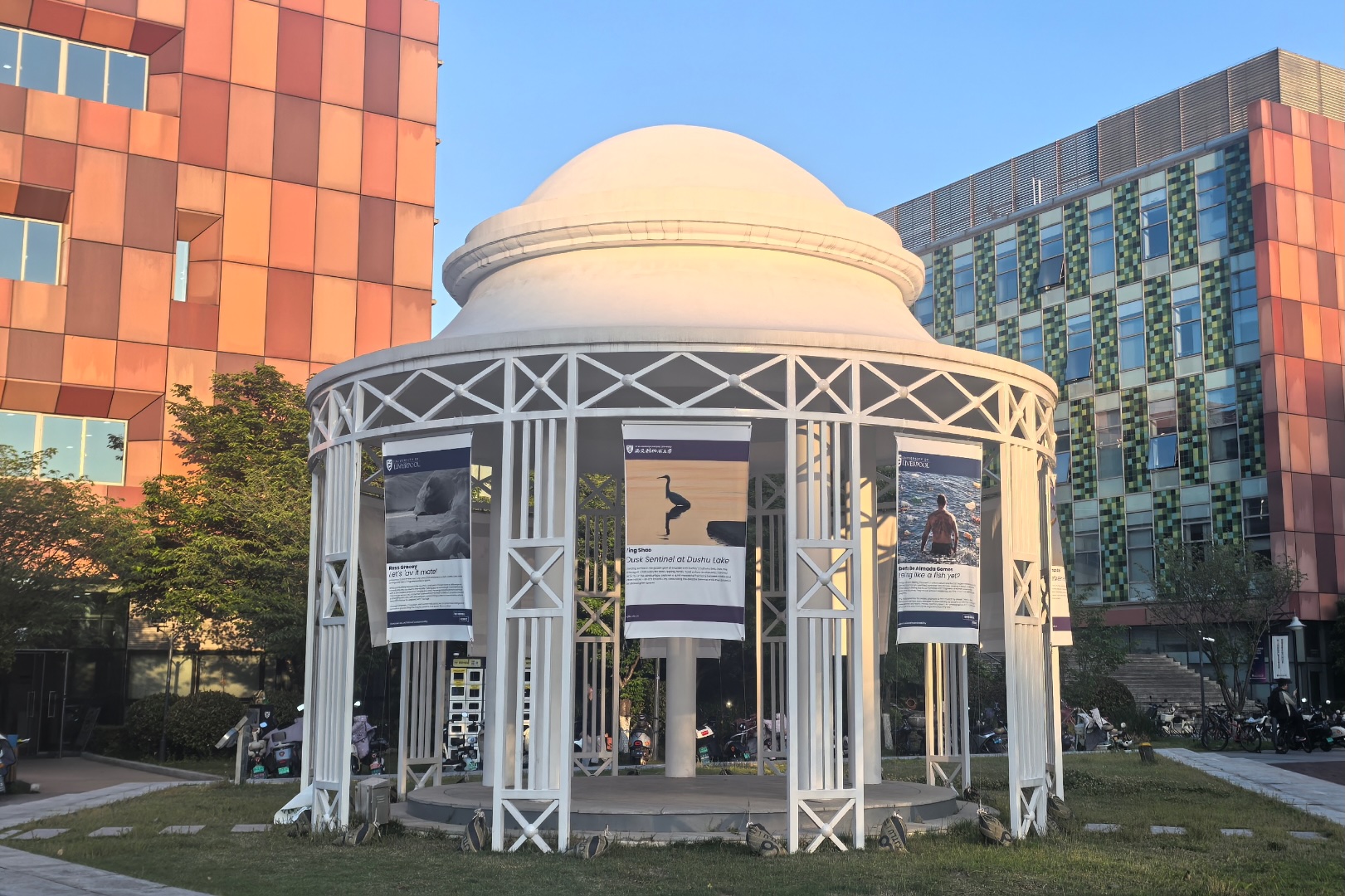
The ceremony also announced the winners of the “Stories of Sustainability” photo competition, a joint initiative between XJTLU and the University of Liverpool. At XJTLU, 44 photos were submitted by 17 members of the University, with selected works later displayed in public spaces on campus.
In addition, the Campus Management Office introduced a low-carbon travel challenge, encouraging students and staff to keep records of sustainable travel choices, such as using public transport, during Earth Week.
Everyday engagement: integrating sustainability into campus life
A key feature of this year’s Earth Week was a series of interactive activities designed to bring sustainability into daily life.
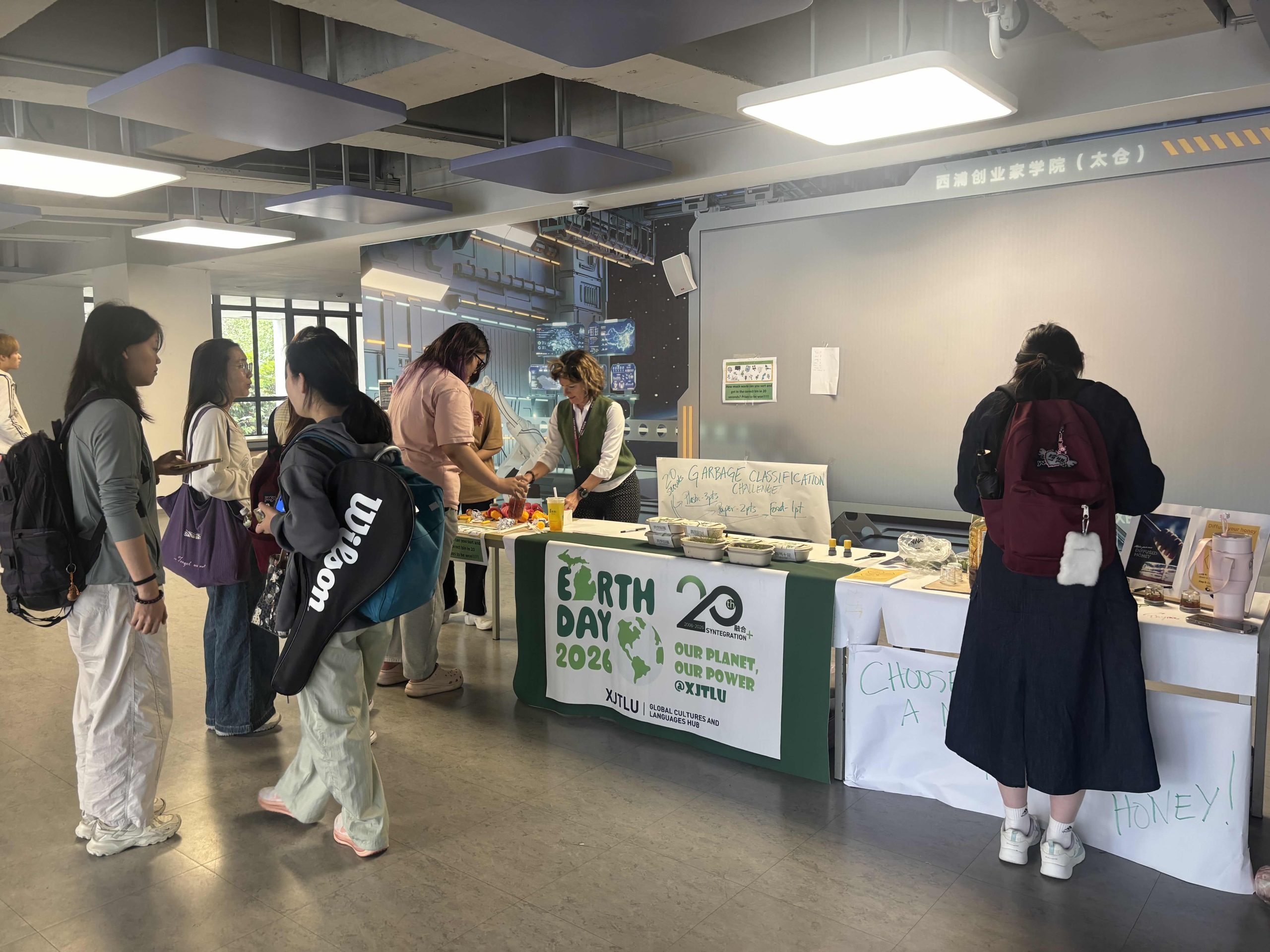
The Global Cultures and Languages Hub’s “DIY Sustainable Systems: Hands-on Living” event featured sustainability-themed booths and a climate quiz, guiding participants to explore topics such as food systems, recycling and everyday material use.
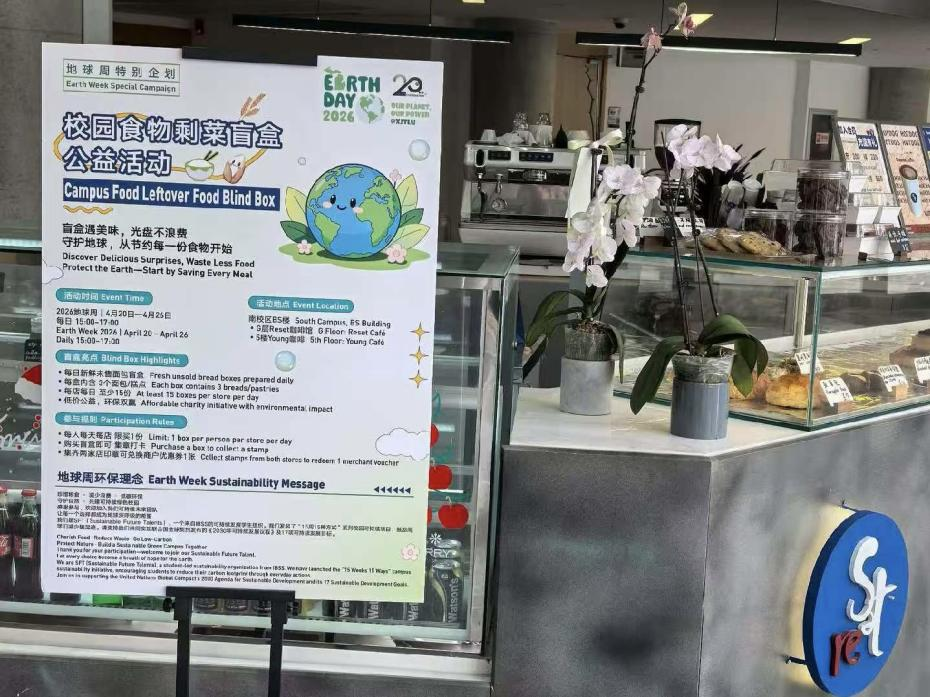
Meanwhile, IBSS launched a “leftover food blind box” initiative at the IBSS café and bakery, offering unsold bakery items as discounted surprise packages and encouraging the use of reusable cups.
The initiative continued throughout the week and will inform the café’s future operations.
The Design School also organised an SDG card game, in which participants used word cards to test and improve their understanding of the Sustainable Development Goals.
Beyond the classroom: exploring sustainability through real-world experience
Throughout the week, activities extended beyond classroom discussions into fieldwork, experimentation and real-world contexts.
On 21 April, the School of Science and NORTS Nature Society Club held an outdoor sharing session at the Outdoor Research and Teaching Space (ORTS) on South Campus. The event introduced student projects at ORTS, including biodiversity monitoring and opportunities for members of the campus community to apply for plots of land to grow plants, turning campus space into a site for ecological observation and sustainability education.
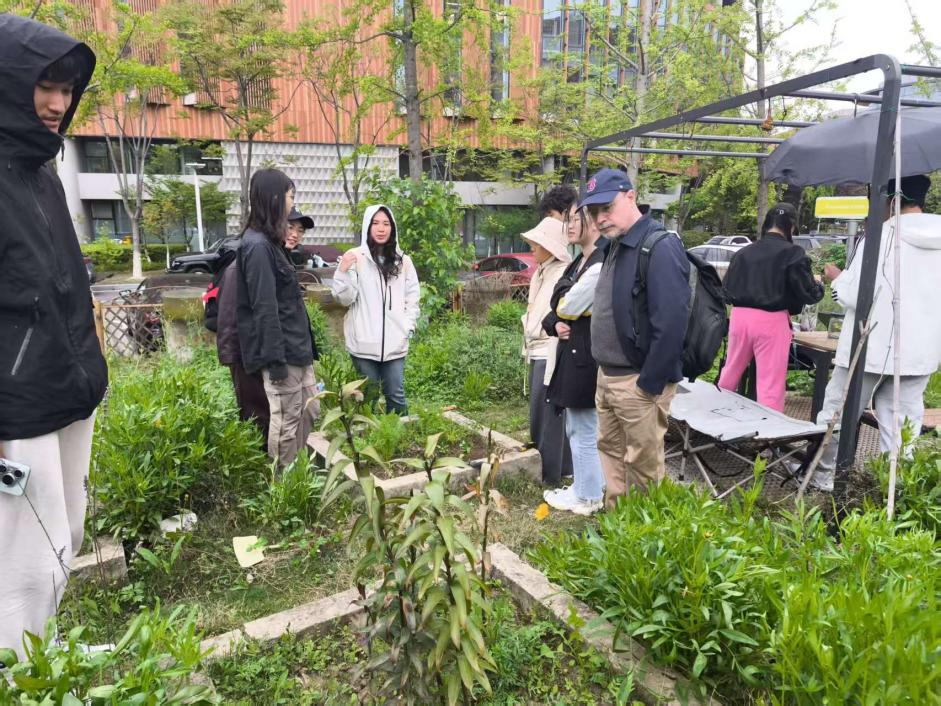
On 22 April, Earth Day, the XJTLU Sustainability Club organised a field trip to Yuefengdao Organic Farm in Kunshan, where participants learned about organic techniques and sustainable agricultural practices.
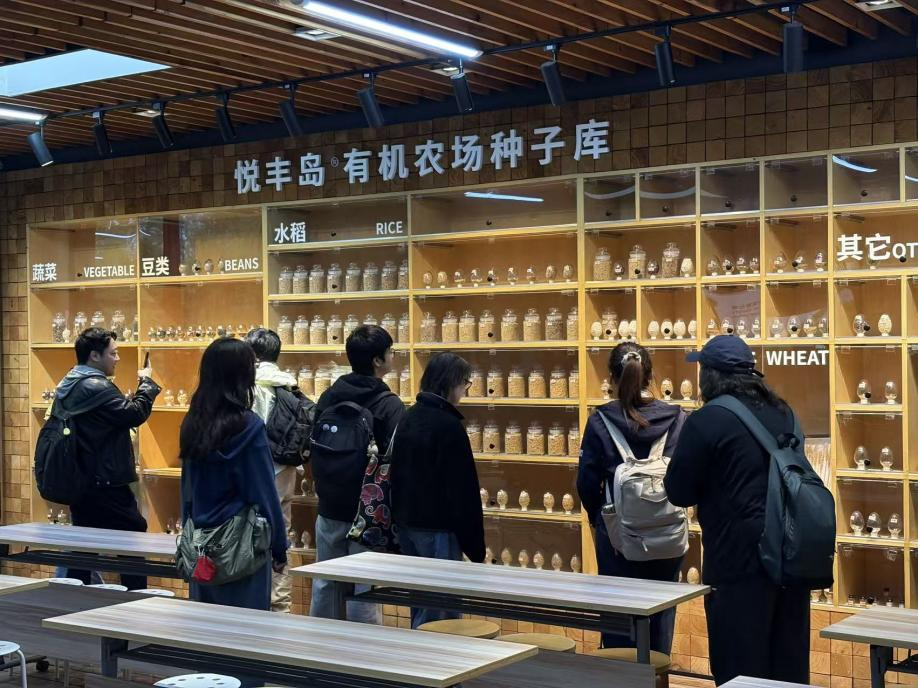
On the same day, the Global Cultures and Languages Hub ran a Climate Fresk workshop and competition for participants across campus, helping them understand how the climate is changing and what can be done in response.
The Department of Chemistry and Materials Science also opened its laboratories to students, allowing them to explore how chemical processes can be made more sustainable and less toxic. Through a biodegradable bioplastics workshop, participants gained a more concrete understanding of sustainable materials.
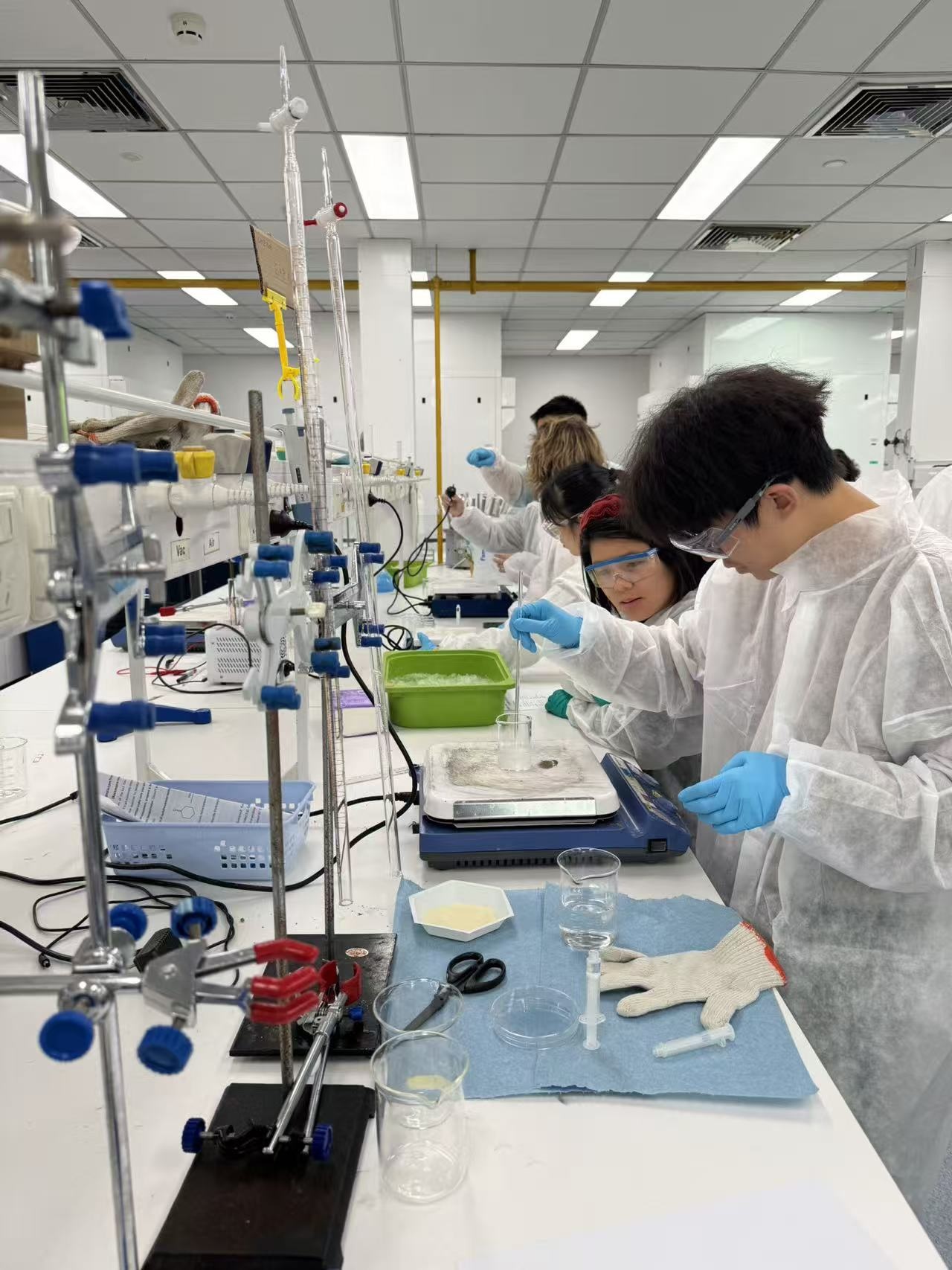
In addition to fieldwork and laboratory activities, Earth Week expanded the discussion through film and off-campus activities. IBSS hosted a sustainability-themed movie night, encouraging students to reflect on environmental issues through film. It also organised an alumni walk through ancient Suzhou, linking sustainability with local culture and urban heritage.
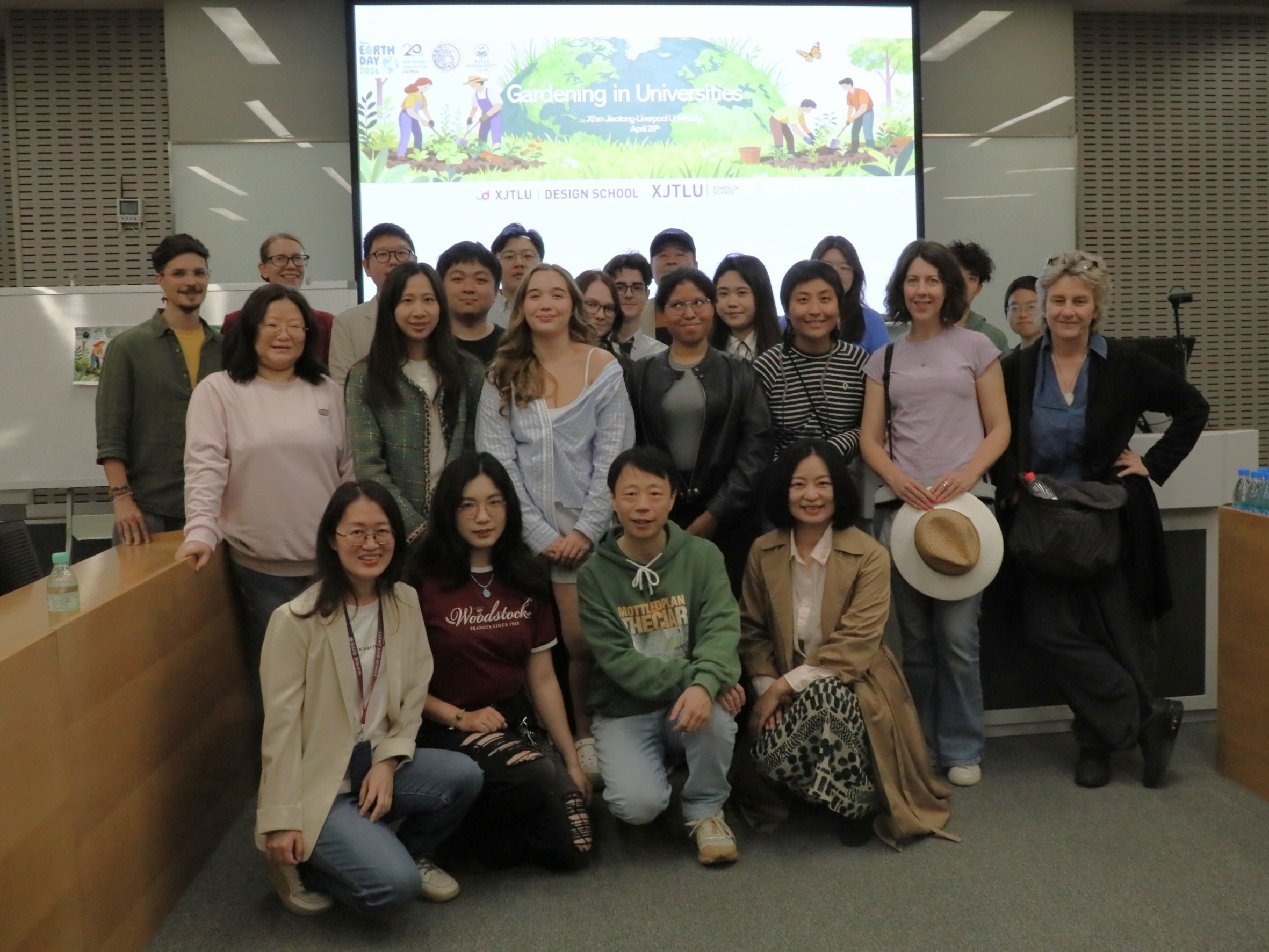
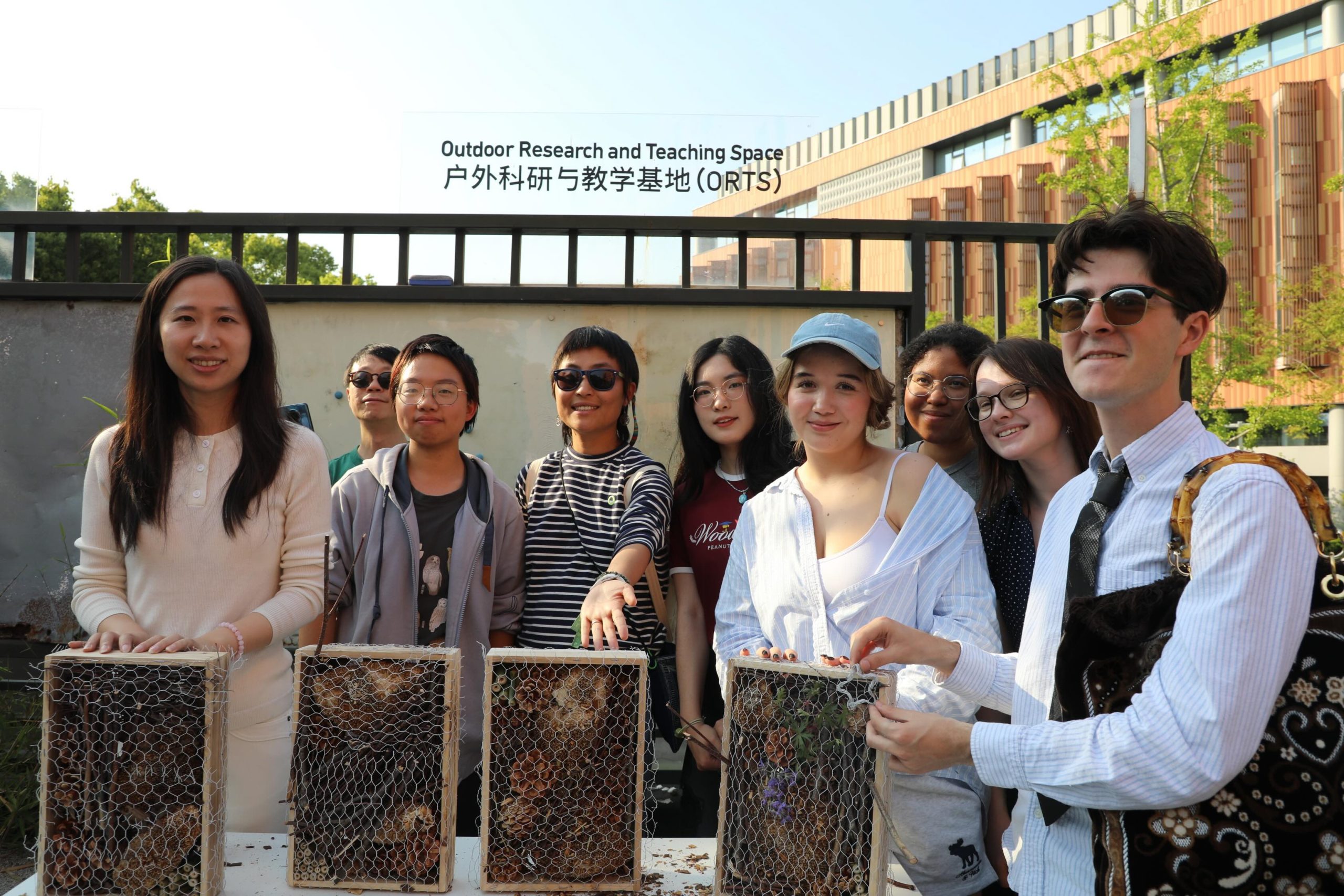
The Department of Urban Planning and Design and the Department of Health and Environmental Sciences co-hosted a workshop on Gardening in Universities, including a guided tour of ORTS and the campus community garden. NORTS Student Society organised a workshop and insect hotel making activity with guests from Duke Kunshan University, New York University Shanghai and XJTLU Sustainability Club.
Continuing the momentum
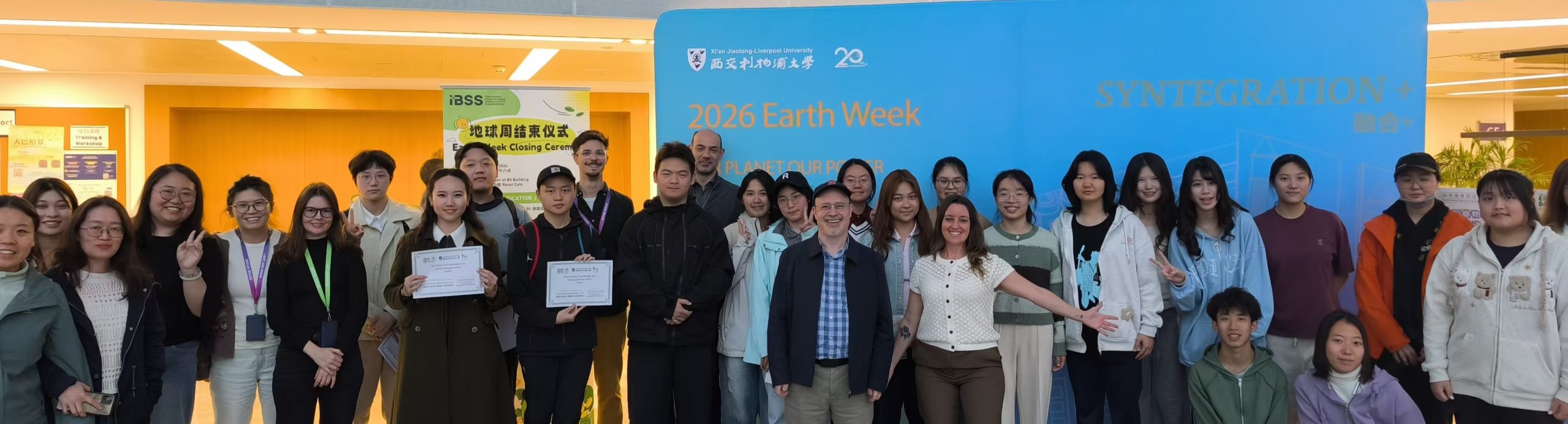
At the closing event, winners of the low-carbon travel challenge and active participants in Earth Week activities received prizes. Student society members and organisers who contributed to the week were also awarded certificates.
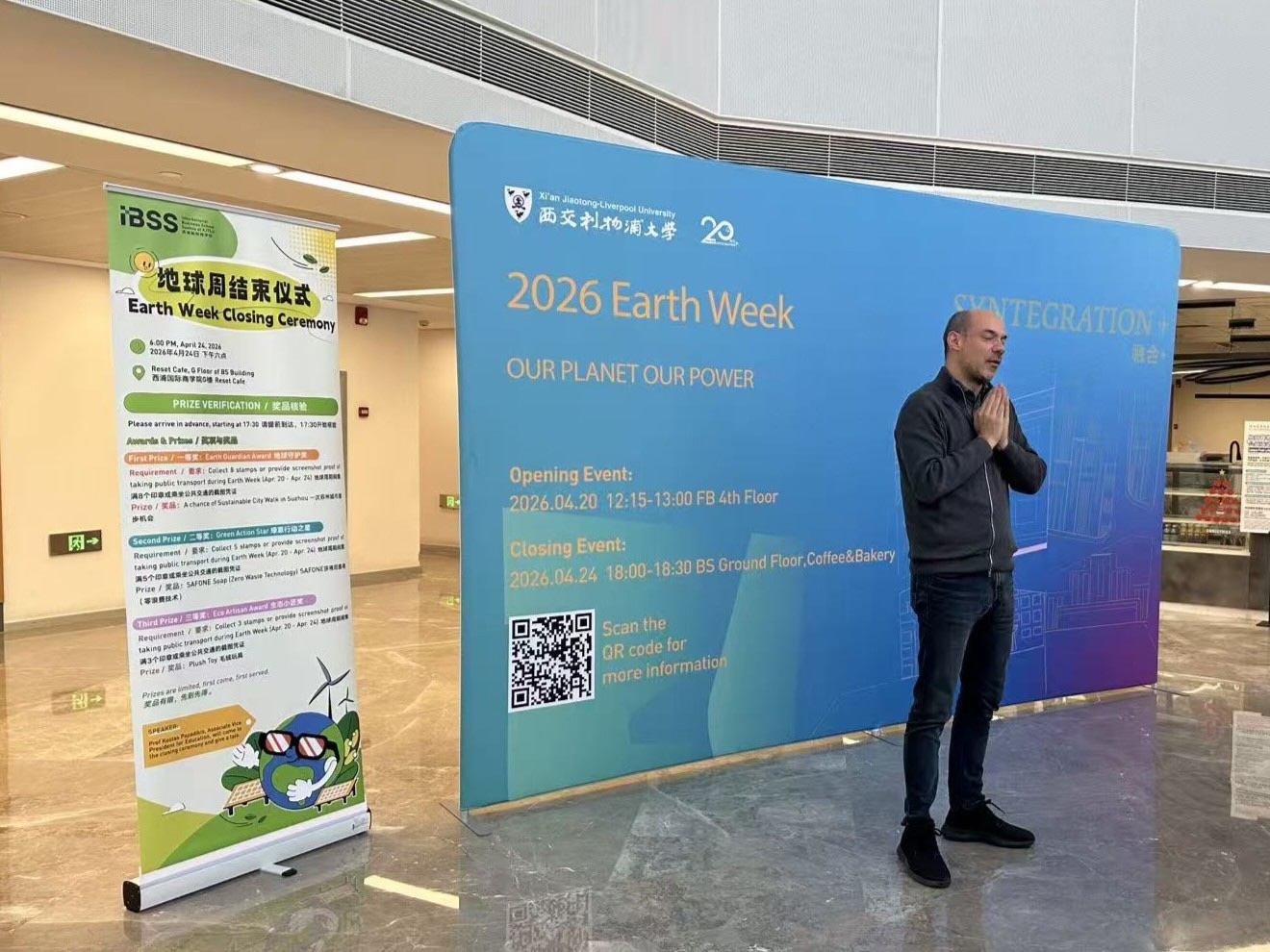
Professor Konstantinos Papadikis, Associate Vice President for Education, spoke about how sustainability must be a key part of the new AI era to truly drive transformative technological and societal change.
From climate education to food systems, from material innovation to real-world practice, XJTLU’s Earth Week showed how sustainability can move from ideas into everyday action.
As the week’s activities suggested, even small individual choices can become a starting point for change.
Translation:Luyao Wang
Editor: Patricia Pieterse
06 May 2026