




Research Initiation Programme for Secondary School Students

“Discipline +” Exploration Courses
As science and technology advance rapidly, Physics, Chemistry, Biology, and Artificial Intelligence have become key drivers of social progress and priority areas in university education and research innovation. Secondary school represents a critical stage for students to develop academic interests and chart future pathways. However, traditional classroom teaching tends to emphasise theoretical instruction, leaving students with limited exposure to cutting-edge research and few opportunities to connect knowledge with practice or appreciate the real-world relevance and potential of each discipline.
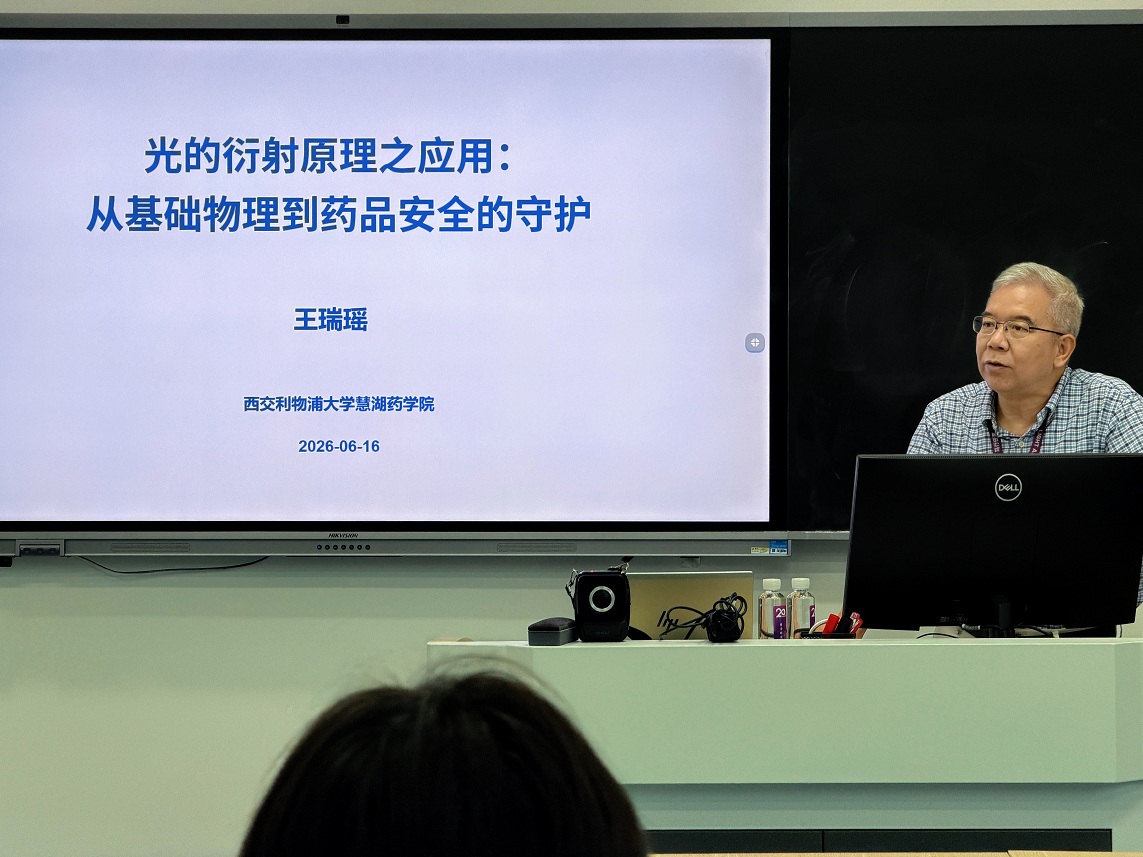
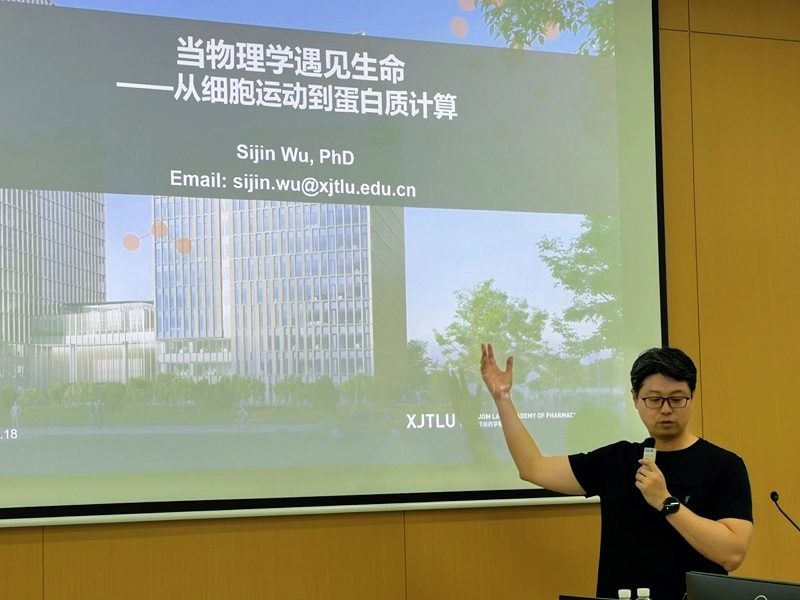
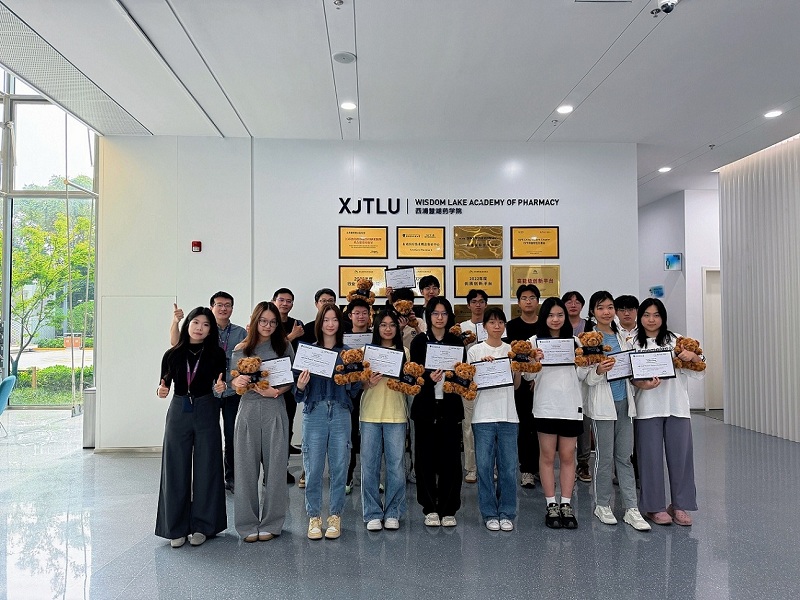
To help high school students transcend classroom boundaries, bridge theory and practice, ignite their curiosity for frontier science, and unlock their research potential, the Academy has invited a team of experienced XJTLU PhD holders to design four thematic research exploration programmes in Physics, Chemistry, Biology, and AI. Combining cutting-edge lectures and hands-on activities, these programmes translate advanced research concepts into accessible, engaging content for high school participants, bringing them to the forefront of science and laying a solid foundation for their future academic and career choices.
Research Background Enhancement Programme
Launched in 2008, XJTLU’s SURF (Summer Undergraduate Research Fellowships) programme is a cornerstone of the University’s innovative talent development system. Through a mentorship-driven research model, it enables undergraduates to enhance their academic competence and capacity for innovation in authentic research settings. Students not only apply classroom knowledge to frontier fields such as neuroscience, genetic engineering, and artificial intelligence but also systematically cultivate research thinking and refine practical skills, building a strong foundation for further study and professional careers. Over the years, SURF participants have produced remarkable outcomes, including high-quality publications across multiple disciplines, numerous competition awards, and even successful patent applications, with many alumni advancing to world-renowned institutions such as Harvard and Oxford.
Building on XJTLU’s distinctive strengths and the well-established SURF framework, the Academy of Life and Natural Sciences has launched a summer research practicum programme for outstanding high school students nationwide, grounded in its own research platforms. The programme spans interdisciplinary biomedical frontiers, including neuroinflammation and Alzheimer’s disease mechanisms, peptide drug delivery, regulation of lactate metabolism, AI-driven nucleic acid drug development, gene-editing technologies, and validation of antioxidant pathways. Through immersive participation in real research projects, students will cultivate scientific thinking and academic literacy, enhance their overall competence and core capabilities, and accumulate valuable research experience—thereby substantially strengthening their academic profiles and competitive edge for future pursuits.
iGEM Competition Coaching
The International Genetically Engineered Machine (iGEM) competition, founded by MIT in 2003, stands as the world’s premier academic contest in synthetic biology, dedicated to advancing the field and fostering learning, exchange, and collaboration among students worldwide.
XJTLU has a distinguished record in iGEM, having participated actively since 2015 and garnered numerous awards. Drawing on this wealth of experience and robust academic resources, we offer comprehensive iGEM coaching tailored specifically for high school students.
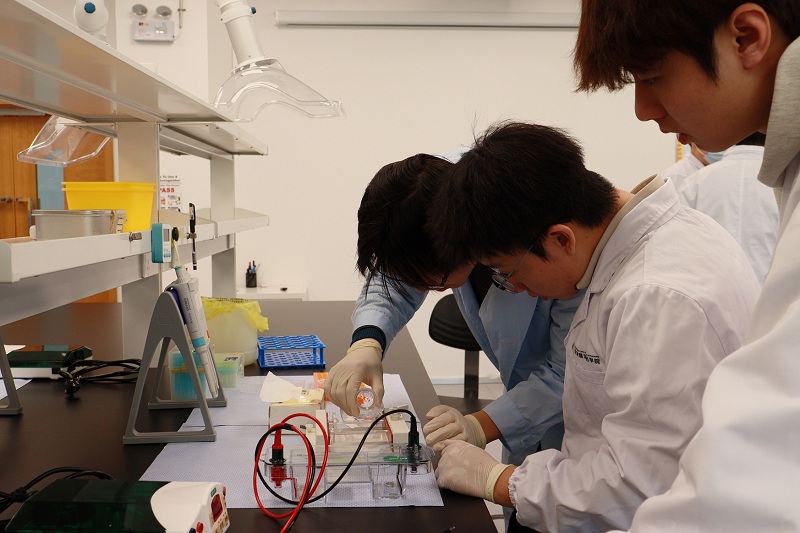
Our coaching features a dual-mentorship model: XJTLU faculty members, with their deep academic expertise and research experience, guide students in defining project directions and impart cutting-edge knowledge and skills, while professional gold-level coaches, well-versed in competition rules and strategies, help refine project design and enhance presentation delivery from a practical, competition-oriented perspective. Participants also enjoy access to the Academy of Life and Natural Sciences’ nationally leading laboratory facilities, enabling them to use advanced equipment for project implementation and ensure their ideas are precisely realised.
Through this coaching, students not only achieve significant leaps in biological knowledge and experimental skills but also learn to communicate and collaborate effectively within teams, develop long-term planning abilities, manage time and resources wisely, and cultivate a proactive learning mindset—laying a solid foundation for their future academic and professional endeavours.
Overseas Student Visiting Programme in XJTLU
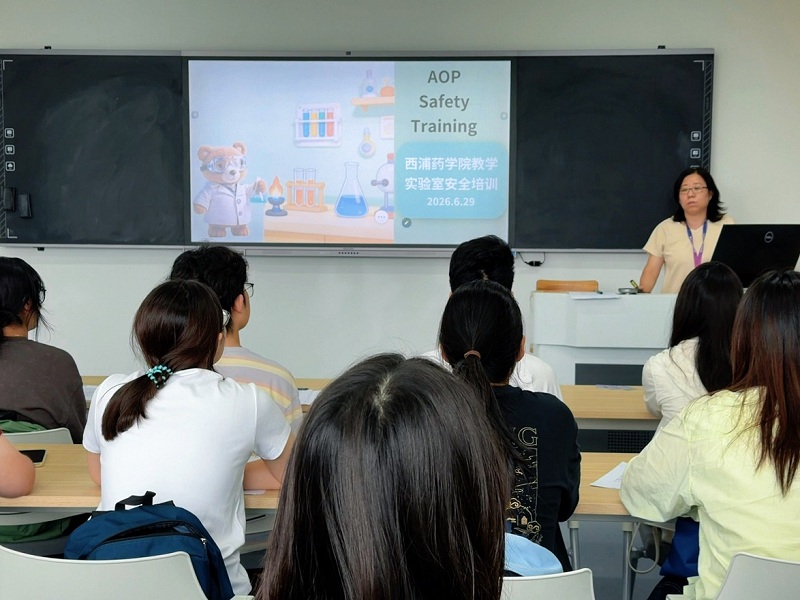
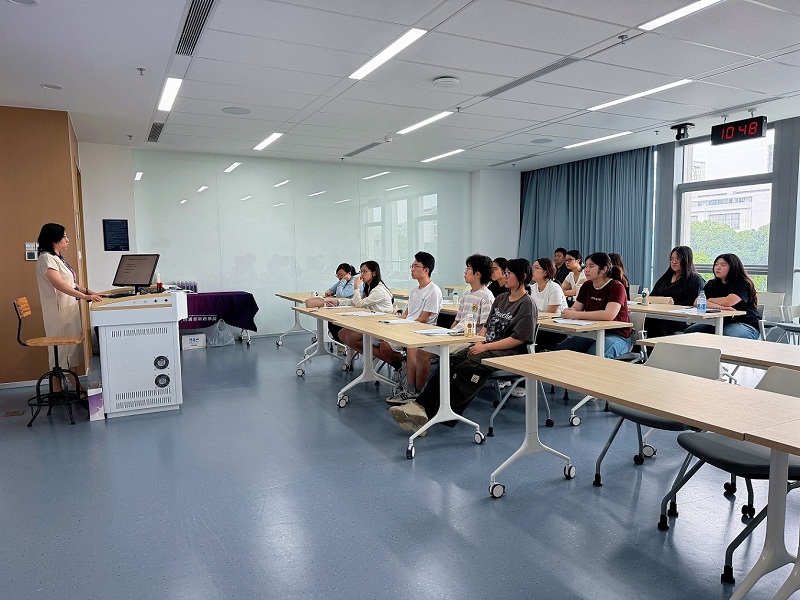
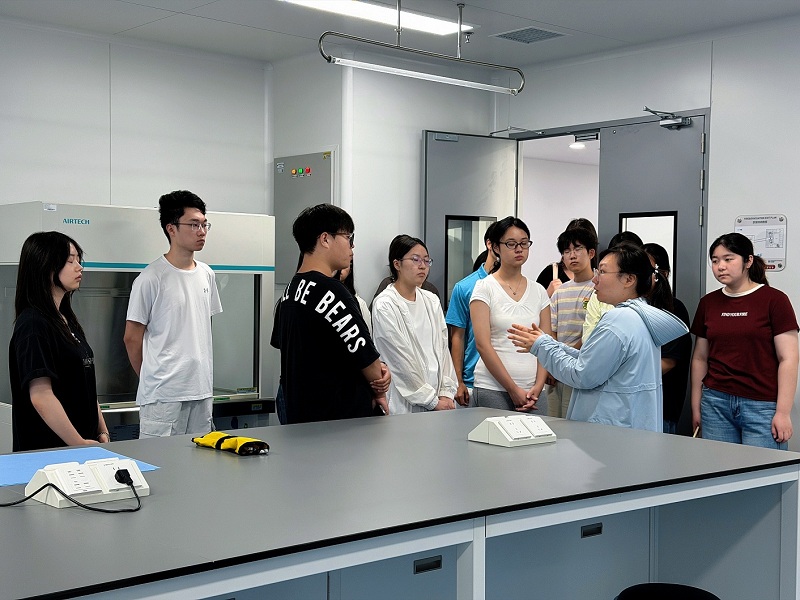
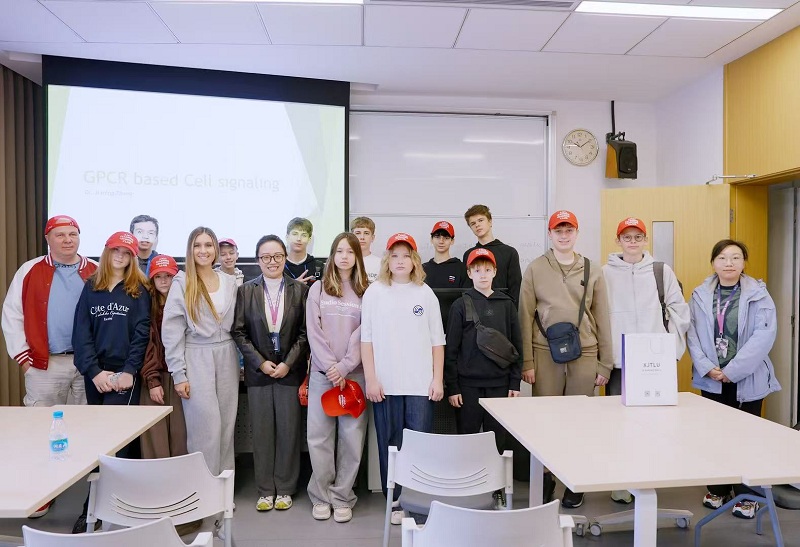
Building on XJTLU’s strengths in bilingual education, the Overseas Student Visiting Programme offers secondary school students worldwide a gateway to China’s biopharmaceutical education and cultural heritage. The Academy has crafted a comprehensive itinerary featuring academic courses, lab practicums, and cultural immersion activities. Overseas participants will work alongside Chinese students in classes and experiments, sharing research perspectives and study experiences. Cultural site visits are also arranged to showcase traditional Chinese culture, enhance cross-cultural understanding and friendship, and foster international educational and cultural cooperation.
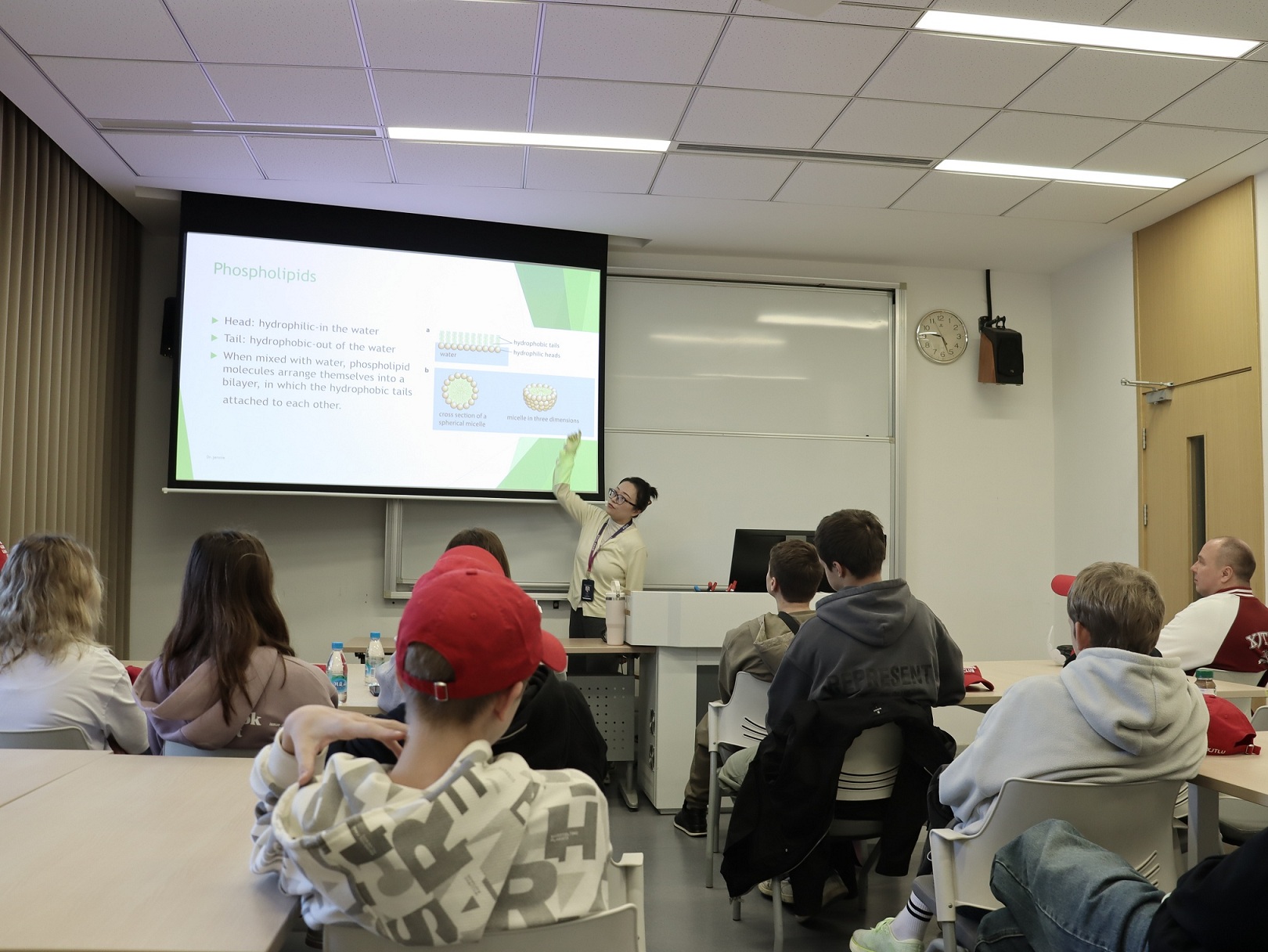
These programmes are thoughtfully designed to ignite secondary school students’ passion for life and natural sciences while cultivating research skills and practical competencies.
Biopharmaceutical Hands-on Lab Camp
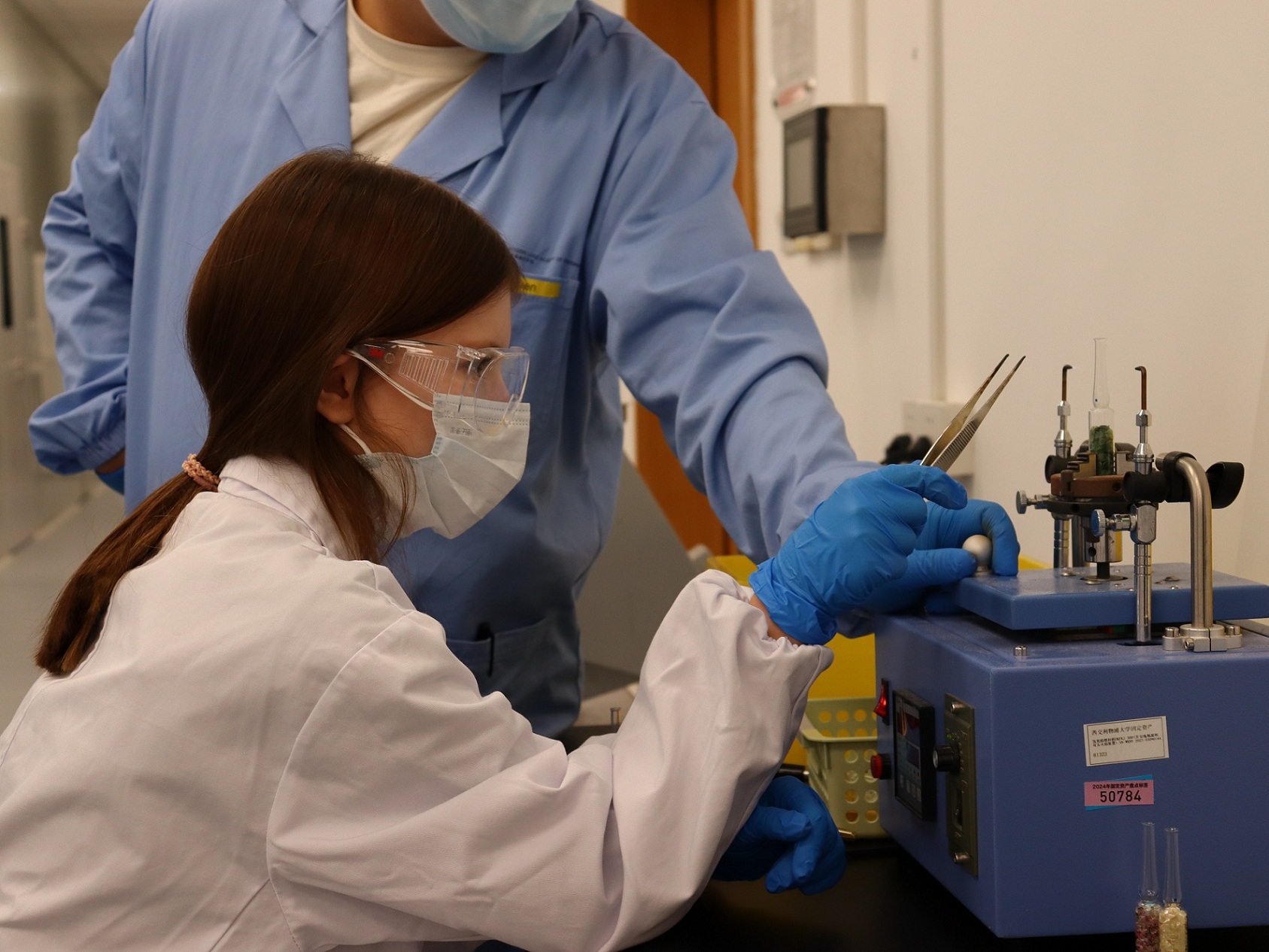
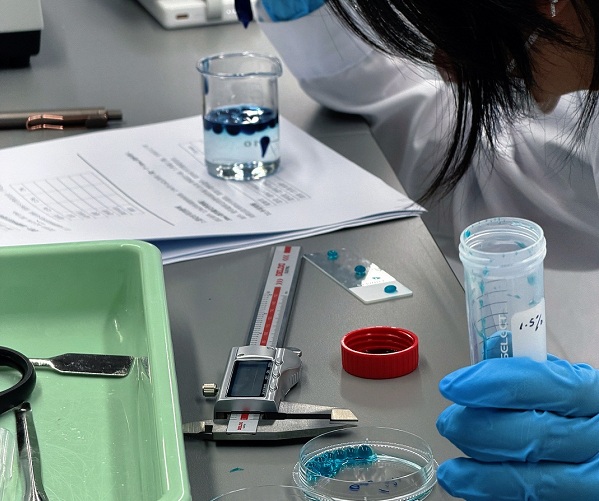
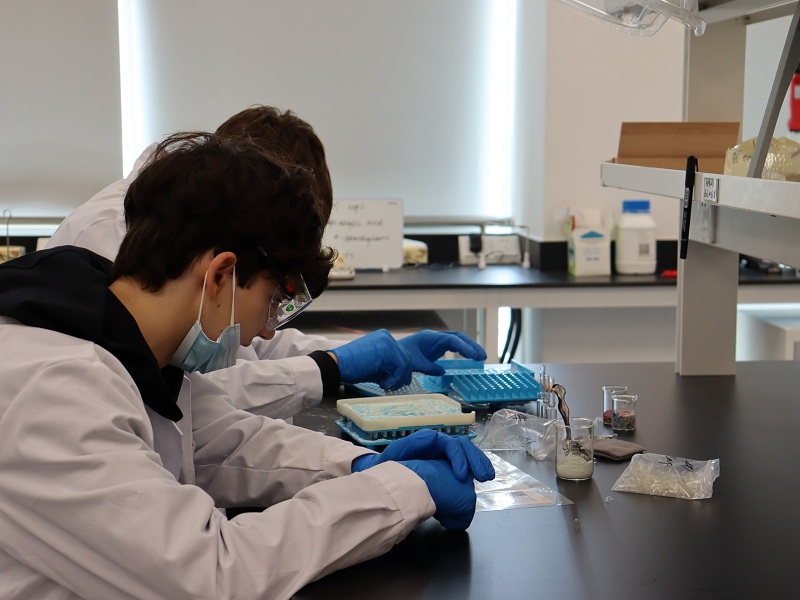
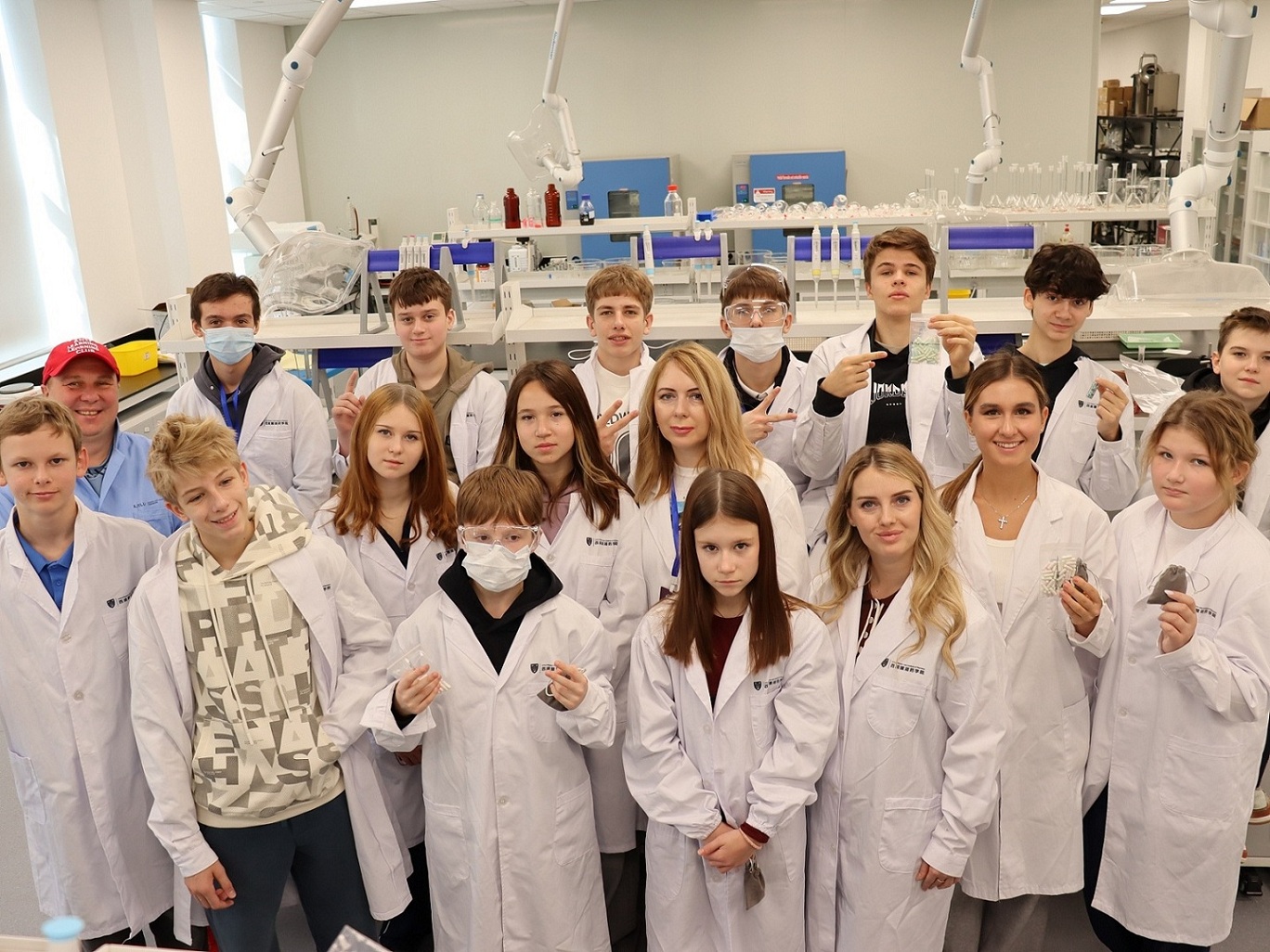
The Biopharmaceutical Hands-On Lab Camp offers secondary school students a valuable opportunity to engage directly with biomedical experimentation. Under the close guidance of professional faculty and experienced lab technicians, participants will step into advanced laboratory settings, operate experimental instruments firsthand, and experience the complete research cycle—from experimental design to data analysis. Activities include capsule filling, tablet pressing, and ampoule sealing to learn about pharmaceutical production and quality control, as well as hands-on CRISPR gene-editing sessions for exposure to cutting-edge research practices. These experiments not only enable students to grasp biomedical theories more intuitively but also strengthen their practical skills and scientific rigour, laying a solid foundation for their future academic pursuits.