




PG Learning and Teaching


Alumni Stories
Alumni of the Class of 2024
Guanyi Ren: Suddenly enlightened and unobstructed, in harmony with the light and dust, the great way is the same
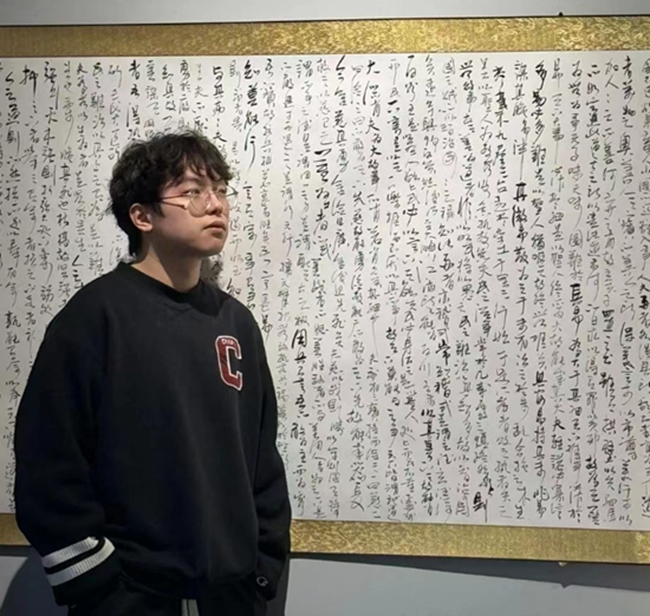
There was no television in my childhood, But there are ancient books of traditional culture.
While other children were watching TV, Guanyi Ren had already read through the Tao Te Ching, the Comprehensive Mirror for Aid in Government, and Mencius many times. Even though the content was obscure and hard to understand, he still developed a strong interest in it.
Guanyi Ren was born in Guiyang, Guizhou Province, a place with a profound cultural heritage. He comes from a family that loves tea and Chinese culture.
The study in my home is piled up with all kinds of books, and there is never a shortage of books to read. Since I was a child, my father has always accompanied me in reading and taught me a lot about the knowledge in books. Mother loves elements of Chinese music and is fond of the guqin, Tai Chi, and tea ceremony.
When he was in high school, after reading Professor Xi Youmin’s book, the president of Xi’an Jiaotong-Liverpool University, he was deeply inspired and decided to be admitted to Xi ‘an Jiaotong-Liverpool University to study for an undergraduate degree.
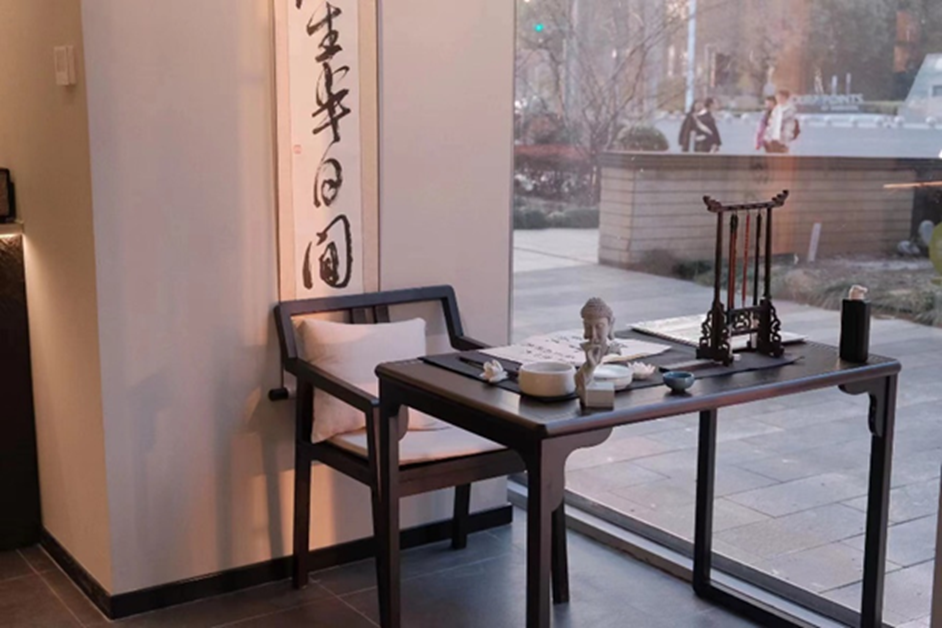
Free thinking, respect for students’ interests, and integration. Innovation is the reason why I chose Xi ‘an Jiaotong-Liverpool University.
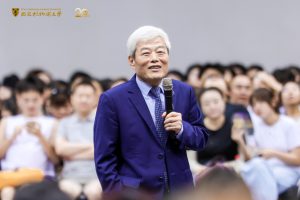
Guanyi graduated from Xi ‘an Jiaotong-Liverpool University with a bachelor’s degree in Marketing. In his freshman year, a speech by President Xi touched him deeply: “Suddenly enlightened and unobstructed, in harmony with the light and dust, one returns to the great way.” This is precisely his understanding of traditional Chinese culture all along: inclusive, interactive, integrated into one, passed down for thousands of years, existing in every slice of our lives. He repeated President Xi’s words to himself many times and kept them in mind.
During his academic years, after studying marketing courses, Guanyi began to develop an interest in business. In his junior year, he took a one-year break from university to start his own business.
During this period, I have tried multiple projects including clothing brands, cross-border e-commerce, and luxury goods. Having failed, I have also accumulated a lot of valuable experience.
After making his first fortune through entrepreneurship, Guanyi returned to campus to continue his studies and began to look for a suitable postgraduate programme. As a student who has been living at XJTLU for six years, Guanyi has a profound understanding and recognition of the university’s educational philosophy. So when he first saw the introduction of XJTLU Entrepreneur College (Taicang), he developed a strong interest. When XJTLU Entrepreneur College (Taicang) was completed, Guanyi also came to visit the new campus. The harmonious architecture, the futuristic positioning, and the industry college featuring school-enterprise cooperation are all exactly what he envisioned. He believes that he has found the most suitable direction.
All things in the world come from being, and being comes from non-being. My business starting point was “nothing”.
Based on the concepts of the Tao Te Ching, Guanyi Ren also established the brand “Wu”. As his family members were involved in the coffee business, Guanyi also began to develop an interest in coffee. Over the years, he has his own unique and profound understanding of the quality of coffee beans, the refinement of coffee techniques, and the ecosystem of the supply chain. Combining his years of professional research on coffee, his profound understanding of the industry supply chain, the professional brand positioning knowledge he learned at XJTLU Entrepreneur College (Taicang), and the innovation and entrepreneurial concepts. Guanyi also established the “Wushi” coffee brand.
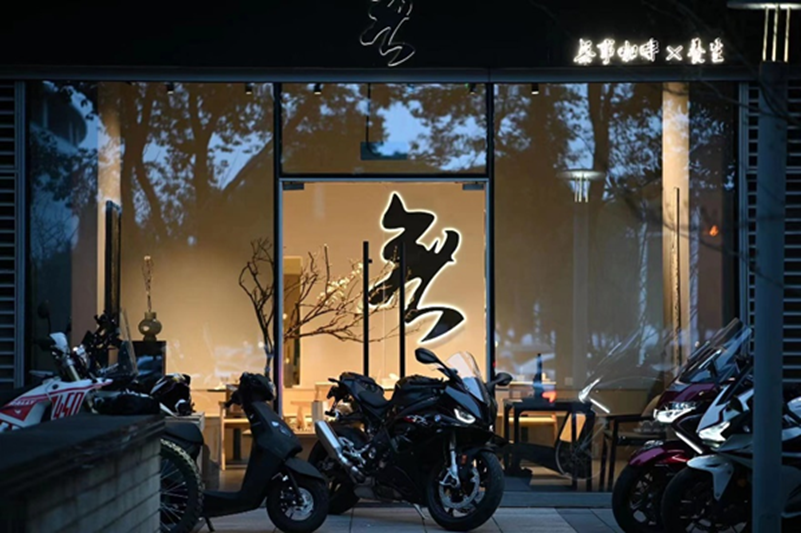
Under the guidance of Dr Shu-Hsiang Chen, the business pathway mentor of the Master of Entrepreneurship and Innovation programme, Guanyi Ren began to conduct more in-depth research on his business logic, brand positioning, and scenario slicing. After conducting market research, Guanyi found that with the rise of coffee brands like Luckin Coffee and Manner, especially the recent wide recognition of Yunnan coffee beans internationally, the coffee industry has entered a new era. Thinking of his years of research on traditional culture, he realized that perhaps this was a great opportunity to promote Chinese coffee culture to the world through the combination of coffee and Chinese ingredients.
Chinese elements such as dried tangerine peel, astragalus membranaceus, loquat fruit, and osmanthus flower all appear in his specially mixed coffee beverages. Students, office workers, and the elderly are all attracted by the elements and then retained by the taste, becoming regular customers.
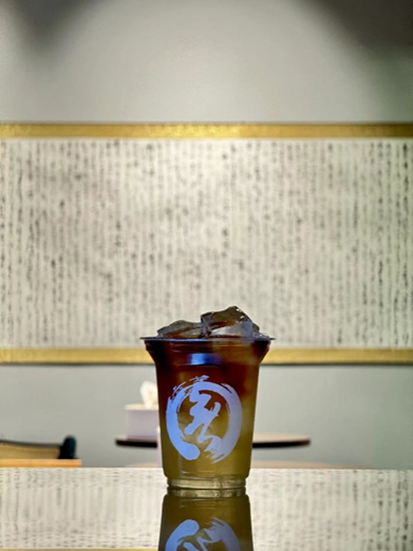
Establish the heart of heaven and earth, and secure the destiny of the people. Carry on the lost learning of the sages of the past and usher in peace for all time. This is my motto.
The world is composed of rich and diverse civilizations. Chinese civilization has an ancient history and rich culture, and it also carries history. It is a treasure of world civilization. How to better promote traditional culture, do a good job in cultural inheritance, and let more people see the Chinese elements he loves is the key point that Guanyi Ren is thinking about. As a young entrepreneur, he not only loves to delve into Chinese culture but also combines modern Western business experience. For instance, reading Musk’s autobiography, his entrepreneurial story, and the vision of founding Company X have provided him with a lot of business inspiration.
After repeated research and numerous practices, Guanyi Ren chose to adopt modern methods and a flat Western-style enterprise management approach, implementing a parallel management concept and arranging salaries based on workload. Adopt regional partners and manage the enterprise in a Group manner. This concept has also been recognized by many ambitious people. At present, the team is mostly composed of students from XJTLU, full of vitality and maintaining their original aspirations.
Epilogue
“Challenging the next peak, I have always been on the entrepreneurial path.” ” – Guanyi Ren
In response to the demands of The Times, the distinctive inclusive education of XJTLU Entrepreneur College (Taicang) has given Guanyi a different perspective. In the future, after his coffee business gets on track, Guanyi Ren also plans to prepare more entrepreneurial projects, integrating elements of Chinese premium products into them to create truly valuable and influential brands.
The shift of a rational Judger! From the entrepreneurial track to a 985 doctoral degree holder
“I have always hoped that I could truly apply the technology I have learned to practical scenarios and then start my own business.” ” When looking back on his academic journey, Zhihao Lai said this.
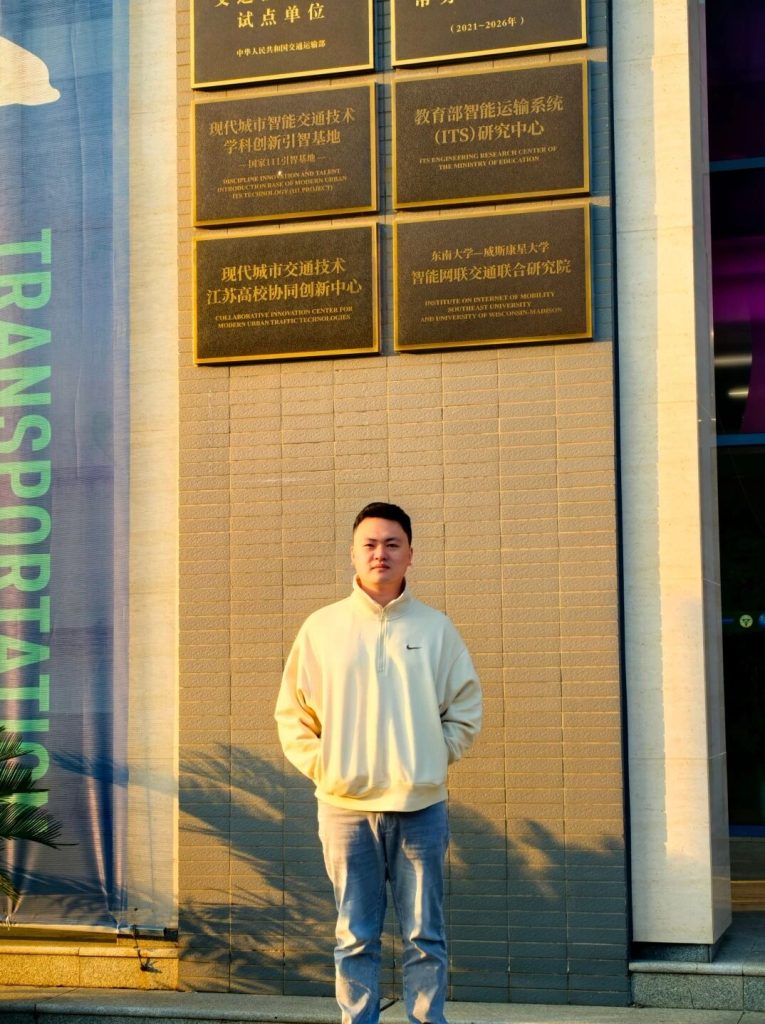
He, who majored in Computer Science and Technology as an undergraduate, once planned to become an entrepreneur. However, after graduating with a master’s degree in Entrepreneurship and Innovation programme from the XJTLU Entrepreneur College (Taicang), he chose to pursue further academic studies and went to Southeast University to obtain a doctoral degree.
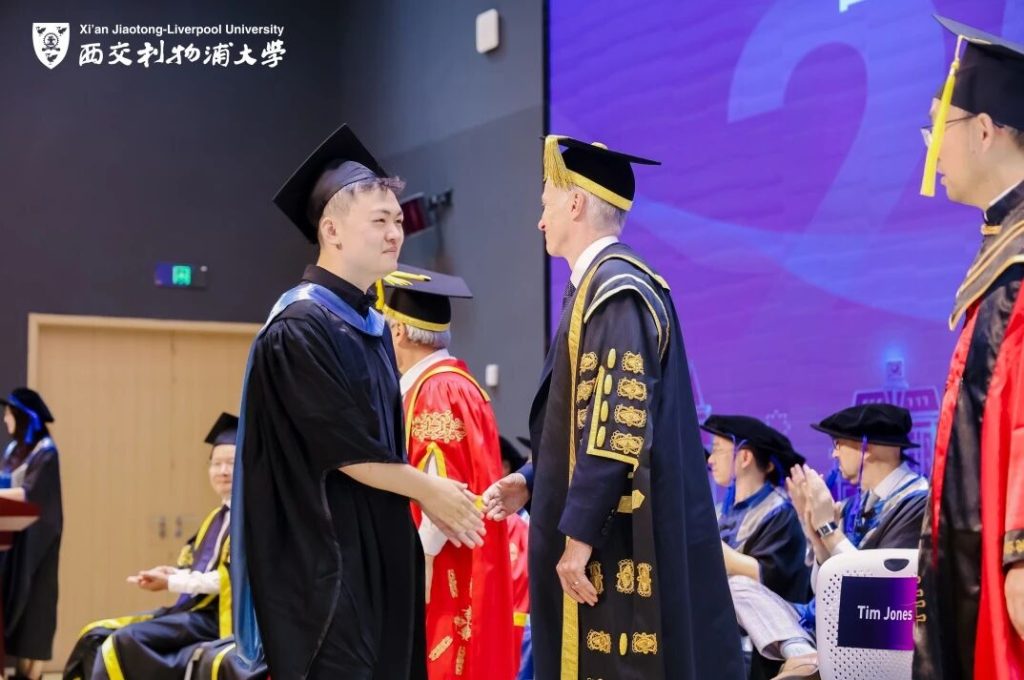
Engineering student who wants to start a business
During his four years of undergraduate study, Zhihao Lai has been dedicated to the study of algorithms and programming, and has already produced papers and patent achievements. He has participated in competitions for the design of intelligent cars and robots, mainly responsible for the development of the software part. Through practice, he gradually developed a systematic understanding of the fields of algorithms and robotics. But he was not content with this. He said, “I don’t want to keep ‘doing exercises’. I want to’ start a business ‘. I hope to apply my knowledge to the industrial sector.”
Compared with traditional classroom learning, Zhihao prefers to participate in actual usage scenarios. From industrial applications to public services, the implementation of robot technology can solve more practical problems. He said. Based on such thoughts, when planning his future direction, he did not choose the traditional postgraduate entrance examination path, but instead set his sights on new types of universities at home and abroad that are closer to the forefront of industries and offer more opportunities for entrepreneurial practice.
Xi ‘an Jiaotong-Liverpool University is a university that Zhihao Lai has been paying attention to since high school. When he learned that the Master of Entrepreneurship and Innovation programme at XJTLU Entrepreneur College (Taicang) had newly established a pathway in intelligent robotics, he immediately decided to apply. In his view, this project can simultaneously provide a learning environment for entrepreneurial thinking and technological deepening, making it an ideal starting point.
Solid technical skills are undoubtedly important, but enterprise operation and product thinking are equally indispensable. By combining technical accumulation with entrepreneurial learning, I hope to directly engage in entrepreneurship during my master’s degree or after graduation.
One step ahead of the opportunity: He entered the research site in advance
A week before the start of the semester, while other students were still immersed in the anticipation of their postgraduate studies, Zhihao Lai opened the official website of XJTLU and checked the research directions of the academic staff in EEH one by one, “to see whose research best matched my interests and then send them emails.”
I want to join a scientific research team to deepen my technical learning. Zhihao said. For this reason, he took the initiative to contact Dr Haochuan Jiang and Dr Shenhong Wang from the School of Robotics.
XJTLU Entrepreneur College (Taicang) is no stranger to Zhihao Lai. As early as the campus Open Day, he felt the international campus atmosphere and also recognized Taicang’s industrial ecosystem and innovative vitality. After the start of the semester, under the guidance of Dr Shenhong Wang , he visited the advanced laboratory.
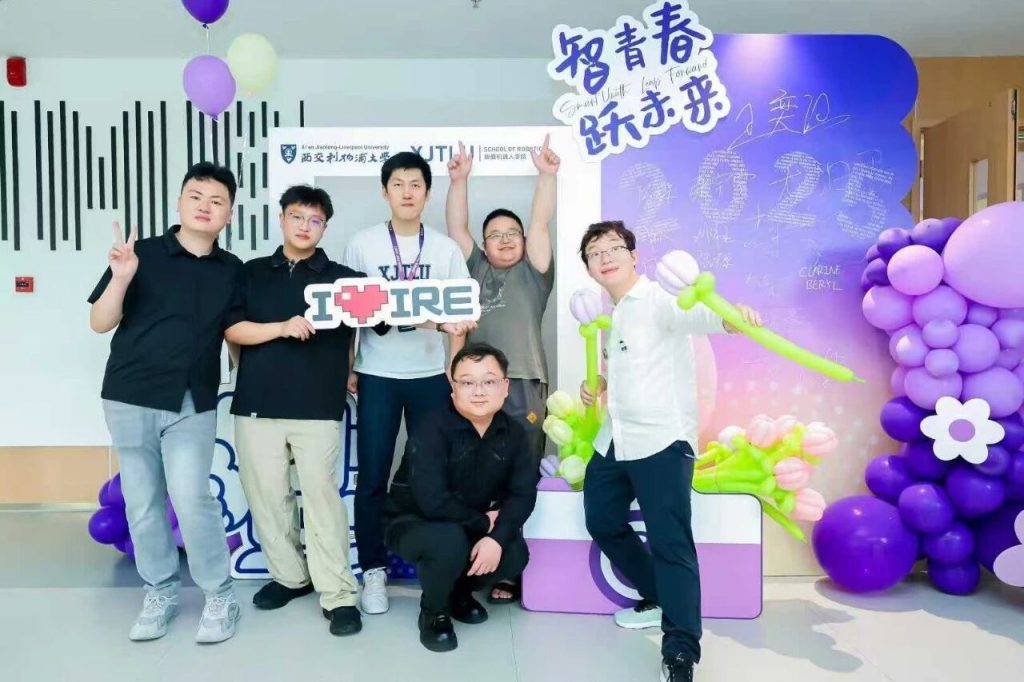
I learned how far the research of the School of Robotics had gone at that time. Its strength was indeed formidable, so I also believed that I could achieve something here. Zhihao Lai said.
He was able to join the research project team of Dr Shenhong Wang and Dr Haochuan Jiang as he wished. This is a typical industry-university-research cooperation project, jointly developing a “reactive robot turtle” that can adapt to amphibious environments with Xinmai Technology, a local enterprise in Suzhou. The project involves technologies such as visual algorithms, system integration, and underwater environment exploration.
“I’m in charge of the underwater target recognition and positioning system,” said Zhihao. “The underwater environment is complex and changeable. Light refraction and interference from impurities can make image recognition difficult.” I spent a long time improving the object detection algorithm, conducting tests directly in the water tank scenario instead of running the algorithm in a pure computer environment. Applying algorithms to real tasks is completely different from writing code on a computer. From algorithms to engineering, from theory to application, he experienced the “practice-oriented” learning approach in the project. Dr Wang often reminds us that when conducting research, we should not just focus on the code but think about the essence of the problem – can this technology truly solve real-world problems? If the goal is merely to detect the target from the image, what role can this algorithm play in industrial applications? We should constantly ask ourselves these questions. The most direct change that this postgraduate study experience has brought to me is the transformation of my way of thinking: from the previous mindset of a test-taker to the current mindset of “putting technology into practical use”. He said. He began to understand that scientific research and entrepreneurship are mutually supportive processes.
From starting a business to dreaming of a path in scientific research
Before pursuing a postgraduate degree, Zhihao’s plan was very clear – to study for two years, accumulate experience, and then start his own business. But as he participated in more projects and delved deeper into research, he gained a new understanding of himself.
In the first semester of my first year of postgraduate study, apart from course learning and project practice, I was also researching the latest developments in the industrial sector. After comparing, I found that I still have a huge gap from the top level of the industry – not just a little bit, but a very large one. I believe that just two years of postgraduate study won’t reach my ideal level. In the field of robotics, if the technological level is not high enough, the products will soon be eliminated from the market. So when I was in my first year of postgraduate studies, I decided to delve into this field and conduct more systematic research.
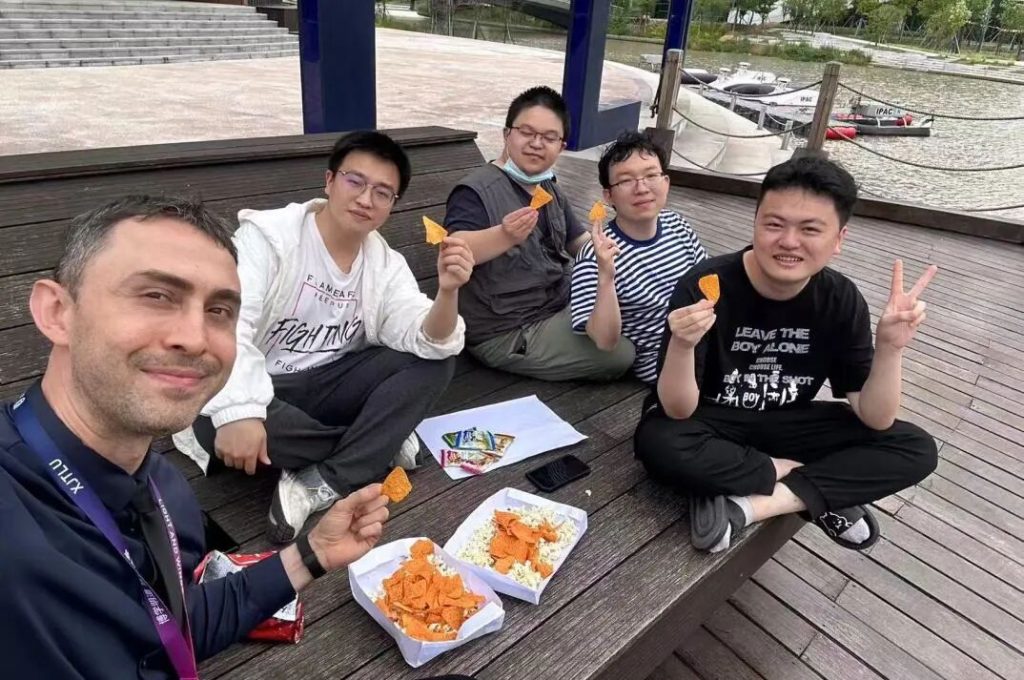
He was not trapped by the two directions of “starting a business” or “pursuing a doctoral degree”, but returned to himself to judge what was needed.
The mentors reminded us not to blindly worship academic qualifications but to think clearly about what a doctoral degree can bring to us. For me, my choice is not a blind pursuit of academic qualifications, but a clear understanding of the improvement of my abilities.
After deciding to pursue a doctoral degree, Zhihao Lai began to make preparations. He chose the most direct way – writing emails one by one.
130 emails, a new future
“Before applying for a doctoral programme, it is essential to clarify the logic in between and conduct a thorough analysis.” Zhihao Lai said. Starting from the second semester of his first year of postgraduate study, based on his clearly defined research interests, he did a lot of homework. He selected doctoral supervisors who matched his research direction from the top 20 985 universities in China, as well as universities in Hong Kong, Macao, Singapore, and the UK, and sent them emails one by one. It took him a year to contact 130 mentors. In the email, he introduced his research direction, project experience, and academic achievements, and attached research cases from his master’s stage. Zhihao Lai was offered interview opportunities by some universities and was eventually admitted to the Transportation Engineering programme at Southeast University.
My doctoral research topic is the decision-making and control of autonomous driving, which is actually an extension of my master’s research on robotics. He said.
At present, Zhihao Lai has begun his doctoral studies, delving deeply into the application of robot perception, decision-making, and control in intelligent transportation. At the same time, he also participated in enterprise cooperation projects and conducted technical exchanges with companies such as Huawei and DJI.
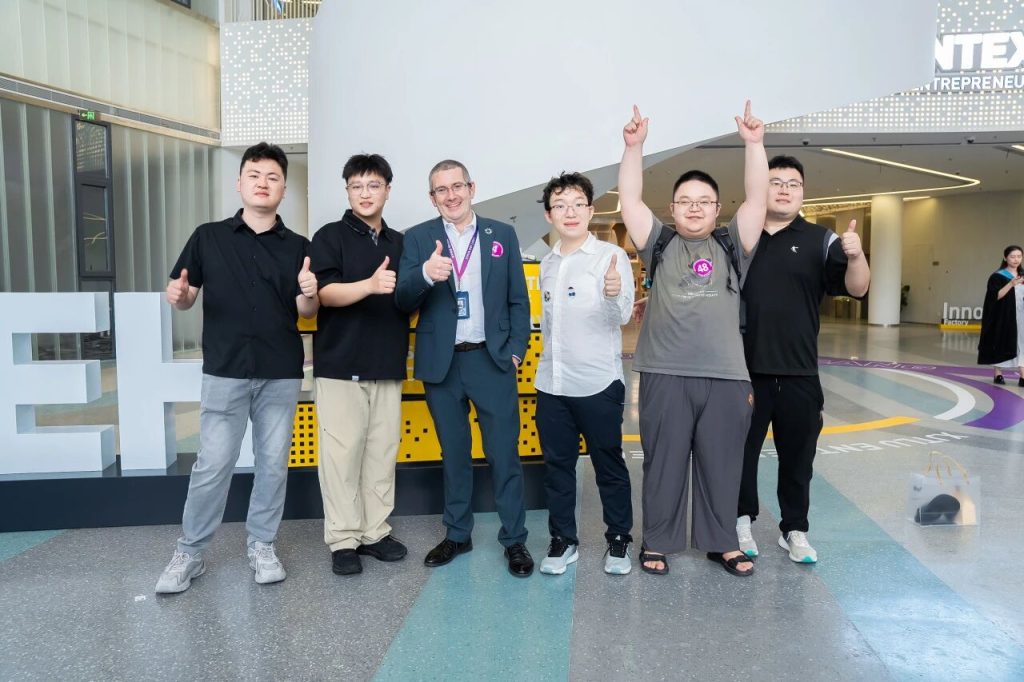
The doctoral training at Southeast University also has a practice-oriented bias. As a doctoral student, I definitely need to make contributions in the academic field, but at the same time, I hope to use these few years to apply my technology to a specific product and develop in the industrial sector.
Choosing to pursue a doctoral degree does not mean giving up on starting a business; rather, it is about making oneself more capable of achieving it. Zhihao Lai said, “In the future, when I believe my technical and comprehensive capabilities have reached a suitable stage for starting a business, I will embark on the path of entrepreneurship.” For his younger schoolmates at XJTLU, his advice is straightforward: “First, think clearly about what you want. Are you pursuing a master’s or doctoral degree for a degree, or are you aiming to realize your own value?” Find the right direction, and Xi ‘an Jiaotong-Liverpool University will give you enough space to explore.
“Practical orientation is the fundamental reason why I chose the Entrepreneur Academy.” It won’t lead us to just talk the talk on paper, but rather enable each of us to grow by solving real problems. I believe that those who are more eager to realize their own value are more suitable for choosing the majors of XJTLU Entrepreneur College (Taicang). Zhihao Lai said.
Become a regular employee upon graduation! This two-year master's programme helped him secure an Offer from a Fortune 500 company
I knew this master’s degree experience would be beneficial to my career development, but I never expected that it would directly help me get a job offer from a Fortune 500 company in the next two years.
When he said this, Zhiyuan Shen had officially joined ITW (Wujiang) Co., LTD., becoming a member of the Fortune 500 companies. He is neither from a top university nor a “connections” in the workplace, but through two years of study at XJTLU Entrepreneur College (Taicang), he has blazed a clear path to high-quality employment. This path is completely different from traditional master’s education.
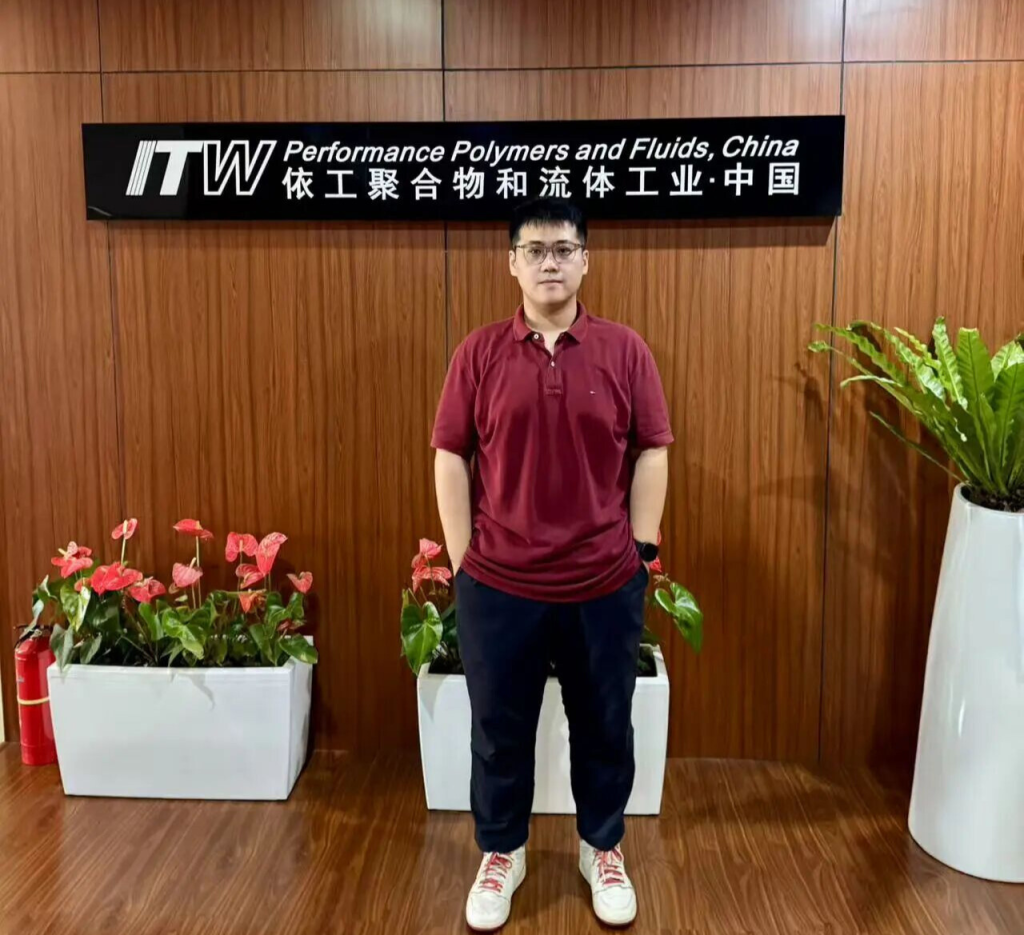
Why choose XJTLU Entrepreneur College (Taicang)? One sentence touched him
I have always been looking for a project that can combine theory with practice, rather than the one-way street of “exam – graduation. Zhiyuan Shen recalled. He had completed countless master’s programmes, but all of them remained at the level of classroom theory and case discussions, which were too far removed from the workplace. It was not until he saw the introduction of XJTLU Entrepreneur College (Taicang): project-based learning, with on-the-job learning in the second year.
In his understanding, what was done in the classroom in the first year was not simulation but real enterprise projects. In the second year, instead of being a short-term intern, one enters the enterprise as a “prospective employee”, deeply participates in the business, and earns credits.
At that moment, I thought to myself, “This is no ordinary master’s degree. This is an accelerator that helps me enter the workplace ahead of schedule.”
First year: Engage in battles in the classroom to build up strength for the workplace
At the beginning of the semester, Zhiyuan Shen was immediately attracted by the “project-based learning“. After the teacher finishes explaining the theory, they won’t ask you to write a thesis. Instead, they will directly say, “A certain enterprise is facing a real problem. You solve it.” The most unforgettable experience for him was the cooperation project with the electric-assisted bike brand BESV. That mission was to formulate a strategy for BESV’s new products to enter the Chinese market. At that time, there were almost no ready-made industry data available, and even the classification of products was unclear. Faced with such a situation, they can only find the answers by themselves. Zhiyuan Shen and his team members have been working nonstop for several consecutive weeks. They first designed a questionnaire and sent it to potential users, then visited end customers to collect first-hand feedback. At the same time, they went through all the publicly available industry materials and even mined information from different data platforms. When they had enough information at hand, they combined the PESTL analysis and Porter’s Five Forces model they had learned in class to integrate these scattered data into a logically clear and implementable market strategy plan.
From that project, I truly understood that business problems are not the “standard answers” in books, but rather require you to piece together the best solution amid a sea of uncertainties. Zhiyuan said with a smile.
There is more than one such project. In one year, he participated in multiple real enterprise projects, and each time it felt like fighting a battle. He said that this year he not only passively received knowledge, but more actively defined problems, broke down tasks, integrated resources, and delivered results. This kind of training not only enabled him to learn to analyze problems but also allowed him to develop structured thinking and cross-team communication skills. Most importantly, it made him no longer unfamiliar with the operation mode of enterprises. Even before entering the workplace, he had already developed a certain “professional muscle”.
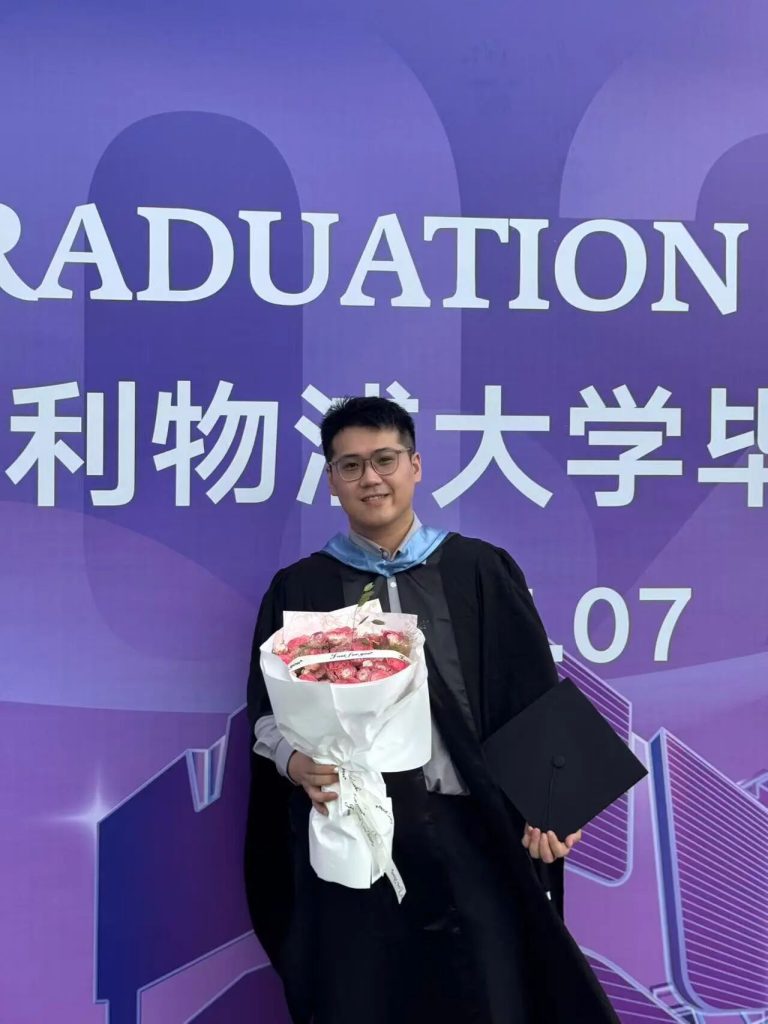
The second year: Enter the Fortune Global 500 and complete the transformation from a “student” to a “professional”
The following year, with the help of the cooperation platform between EEH and ITW, Zhiyuan Shen was recommended by Jia Liu , the director of Business Development, to get an internship interview opportunity and eventually entered ITW through mutual selection to start his internship. He originally thought this was just an “advanced internship”, but the experience was far more than that. He said, “This is a continuous and in-depth learning mechanism that enables us to form professional habits, build business thinking, and constantly iterate ourselves under real pressure.” Among the numerous tasks, the one that impressed him the most was independently completing the market trend analysis of an industrial product. On the surface, it seems ordinary, but in fact, it is full of challenges: industry information is not transparent, data sources are scattered, and feasible decision-making references need to be provided within a short period of time. Zhiyuan Shen did not panic. Instead, he drew on the project-based learning method from the first year, first building an analytical framework and then gradually filling in the content. He adopted a three-dimensional analysis method of “user – competitor – channel” to sort out the market, proactively interviewed front-line sales personnel to collect real feedback, and at the same time referred to third-party industry reports for cross-verification of data. After several weeks of hard work, he completed a detailed SWOT analysis, which was eventually adopted by the department and became an important reference for future strategic planning.
What is more challenging is cross-departmental collaboration. A large-scale market event requires the cooperation of multiple departments. Shen Zhiyuan took the initiative to undertake the coordination work. He recalled, “I used the tools I learned from the school project to break down the entire process into a Gantt chart, clearly identifying the person in charge of each link and key nodes to avoid information asymmetry and progress delays.” The event was successfully completed and the effect exceeded expectations. As a result, he gained more trust within the team.
Zhiyuan Shen concluded that this kind of on-the-job learning is completely different from short-term internships. It is not merely about running errands or doing odd jobs, but about deeply participating in core tasks and truly generating results that can influence decision-making. Moreover, this experience was not just a few weeks but a whole year of immersive experience, which enabled him to complete the identity transformation from a student to a professional.
What does it take to successfully become a regular employee and get a formal Offer?
On the eve of graduation, Zhiyuan Shen was successfully regularized and received a formal offer from ITW. What enterprises value in him is not merely his academic qualifications, but his ability to solve problems in real scenarios and promote the implementation of projects. He recalled, “During the interview, I took out the enterprise projects I had done at school and elaborated on each one in detail, even covering how the data was collected and how the plans were iterated.” They could sense that this was not just empty talk on paper; it was something I had done with real effort.” He firmly believes that the on-the-job learning in the second year is an “accelerator” for his career development. This not only enabled him to adapt to the workplace in advance, but also helped him bring out an advantage that others did not have when seeking employment – real experience and systematic ability.
Future: From “Problem Solver” to “Innovation Driver.”
Nowadays, Zhiyuan Shen has joined ITW, focusing on B2B market strategy and project management. His short-term goal is to continuously delve deeper into business and management and actively participate in more innovative projects. In the longer-term planning, he hopes to accumulate rich industry resources and have the opportunity to participate in major innovations of the enterprise in the future, and even lead the team to explore new growth points. Looking back on the past two years, he said with a smile, “The biggest change in me is that I have grown from a passive problem-solving person to an active one.”
Zhiyuan Shen is well aware that this is not a matter of luck, but rather the unique learning model of XJTLU Entrepreneur College (Taicang) that has endowed him with competitiveness. It enabled him to adapt to the workplace in advance while studying and achieve high-quality employment in a true sense.
Epilogue
When looking back on this experience, Zhiyuan Shen’s first piece of advice to his younger schoolmates was: You must take the initiative to seize the enterprise resources and project opportunities provided by EEH, and not be content with just the basic requirements of the course. Communicate more with industry mentors, actively participate in corporate presentations and workshops, and even try to collaborate with enterprises to complete project assignments in the first year. All these accumulations will become important advantages for subsequent on-the-job learning.
Secondly, he emphasized the importance of clarifying one’s career direction as early as possible, systematically sorting out one’s own strengths and capabilities, and learning relevant tools in advance for the target industry, such as SQL, SPSS, Python, etc. In addition, take every course project seriously and treat them as your “practical case library”, because these cases are often highly persuasive in interviews.
My greatest realization is that the integration of industry, academia, and research has truly broken the boundaries between learning and application. He said, “It’s not a simple patchwork, but a carefully designed mechanism that enables us to constantly cycle and verify between theory and reality.” This kind of environment nurtures not only knowledge, but also a sustainable problem-solving ability and a sharp business sense.
Employment Data
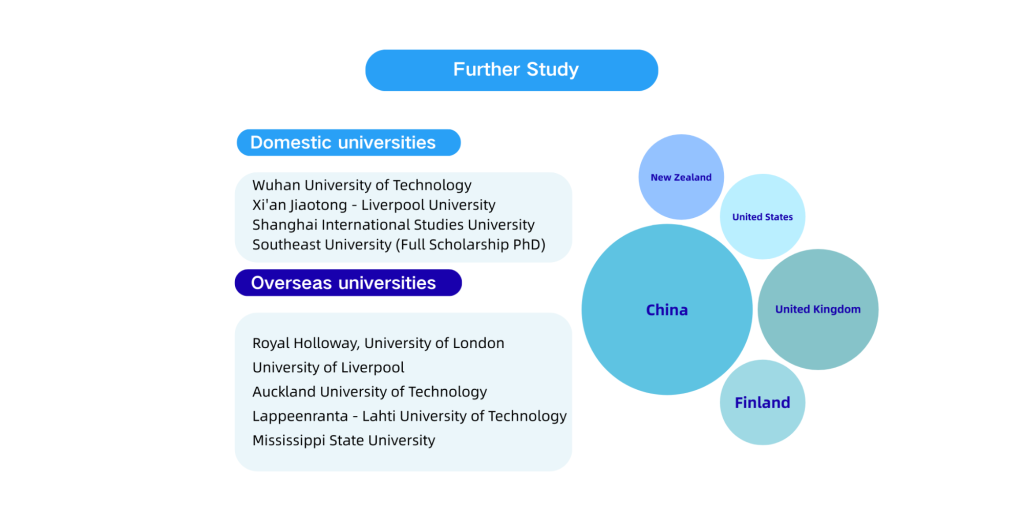
Looking back at the overall destinations of the two graduating classes of the Master’s programme in Entrepreneurship and Innovation, a notable feature has gradually become clear: they have entered multiple industries, yet they have not shown a loose direction or a lack of focus. Advanced manufacturing, digital technology, doctoral studies, state-owned enterprises, and public sectors constitute the main destinations of graduates from this programme.
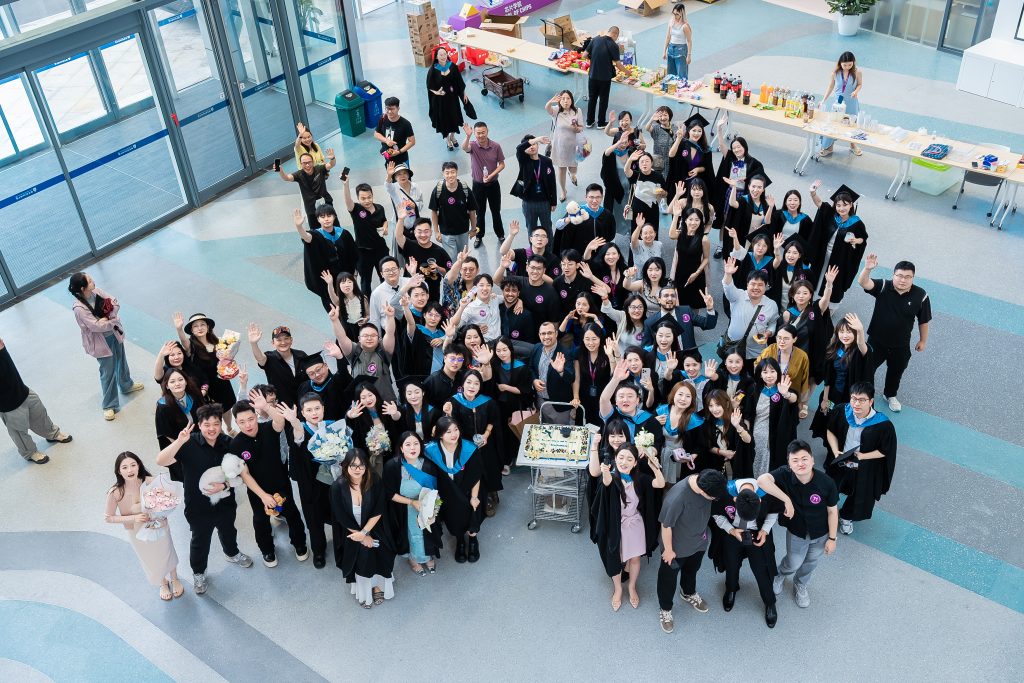
This diversity is neither accidental nor the result of ambiguous training goals. On the contrary, the Master of Entrepreneurship and Innovation has never been oriented towards “corresponding positions” from the very beginning. Instead, it has transcended the boundaries of a single discipline and industry, focusing on cultivating compound talents with an entrepreneurial mindset and innovative capabilities.
Before enrollment, students can choose from eleven pathways that they are interested in and wish to explore in depth. The chosen directions can be the same as or different from their undergraduate major background. The project pays more attention to the extended potential of students on the basis of their original disciplines. Through systematic innovative courses and real project training, it introduces diverse methods, perspectives, and practical experiences to support students from different backgrounds to carry out interdisciplinary cooperation during the master’s stage, gradually forming a more adaptable and transferable combination of abilities.
It is precisely for this reason that graduates are not confined to a certain “standard path” but can enter different types of industries and organizations, continuously develop their personal interests, and realize their own value.
In real industry scenarios, learn to solve problems
This compound ability is particularly reflected in the way students deal with uncertain environments. With the accelerated evolution of artificial intelligence and the continuous reshaping of industrial boundaries, real-world problems often emerge before the answers. The Master of Entrepreneurship and Innovation is carried out in such a context: students come from diverse backgrounds, and the program does not require them to set a clear career endpoint at the beginning of their enrollment, but rather encourages them to gradually form judgments through exploration.
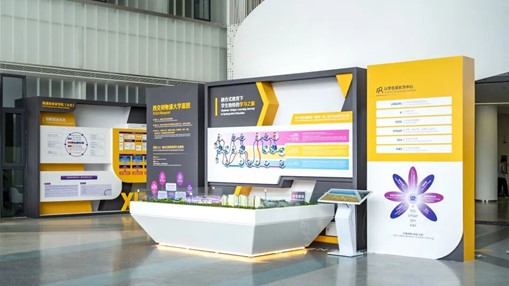
The starting point of classrooms and projects is often some real industry problems that have not been fully defined – does the technology have practical application scenarios? Is the market demand valid? When resources are limited, what should be verified first in the next step? Centering on these issues, students in their second year of postgraduate studies can choose between two types of paths based on their own interests and development goals: Entrepreneur projects or Intrapreneur projects. The former focuses on the real scenarios of enterprises, participating in internal entrepreneurship or new business development. The latter is led by students to design brand-new business plans. With the support of two major campus innovation and entrepreneurship platforms – Innovation Factory and X3 Co-venture project incubation mechanism, the entire process from conception to implementation is advanced. Some projects have further developed into independent legal entities.
Different from the case analysis and model replication in traditional classes, these practices emphasize the real situations that are “happening”. Students need to collaborate with enterprises, mentors, and teams when information is incomplete, constantly verify hypotheses, adjust paths, and drive the project forward continuously. By fully participating in the process from 0 to 1, students gradually develop a transferable core ability – making judgments in uncertainty and truly turning ideas into reality.
Behind the diverse directions lies the same ability structure
The training approach of the Master of Entrepreneurship and Innovation at Xi ‘an Jiaotong-Liverpool University’s Entrepreneur College (Taicang) is ultimately clearly reflected in the career choices of its graduates.
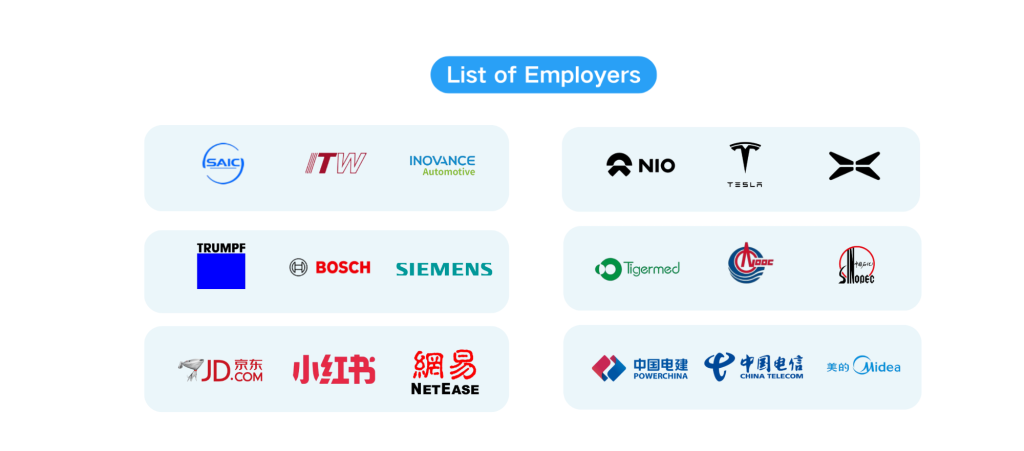
Some graduates have entered the fields related to advanced manufacturing and hard technology, taking on the role of a bridge connecting technology and the market in project collaboration, industrial support, or business expansion positions, such as the Yangtze River Delta Advanced Materials Research Institute, Siemens (China), Geely Group, etc. Some graduates have entered the fields of digital economy and professional services, participating in analysis, decision-making, and execution in a fast-paced, project-based environment, such as JD Group and KPMG. Some graduates also choose paths related to state-owned enterprises or public sectors, participating in collaborative and innovative practices in complex and long-term organizational systems, such as the Communist Youth League Committee of Suzhou City, Ningbo Talent Development Group, and Bank of China, etc. Some graduates continue their studies, gradually clarifying their research interests through professional learning and practical exploration, and enter a more in-depth academic stage.
Although their destinations may vary, the ability structures they reflect are highly consistent: students learn to identify opportunities, integrate resources, and promote the implementation of innovation in real problem situations across various industries, and gradually develop systematic thinking, cross-team communication skills, and a comprehensive understanding of technology and business. It is precisely this ability that enables them to continuously adapt to changes and create value in different fields.
The graduation outcome of a Master’s degree in Entrepreneurship and Innovation does not aim to shape a standardized success model. Instead, it verifies a more long-term valuable training logic in the constantly changing industrial and social environment: not serving a specific industry, but cultivating talents for the change itself. For students who wish to continuously explore in future industries and create value in the real world, this is precisely the key ability and direction provided by the Master of Entrepreneurship and Innovation.
Guang Yang: Returning to Campus, Let Sports Glasses Reach the Belt and Road Initiative through Campus Platforms
From employment to entrepreneurship, from achieving success in childhood to returning to campus, Guang Yang’s decision was probably a process of “reworking from scratch”. In 2020, Guang Yang keenly seized the opportunity of live streaming and achieved some success in the clothing industry. However, in 2022, he resolutely made an unexpected decision – to return to university. This decision might seem hard to understand to outsiders, but for Guang Yang, it is an opportunity to break free from the shackles of thinking and seek personal growth in a broader academic environment.
In the Master’s programme of Entrepreneurship and Innovation at XJTLU Entrepreneur College (Taicang), he embarked on a brand-new track, leveraging the platform of the university to lay a bridge for his sports eyewear entrepreneurship to the “Belt and Road Initiative”. He admitted that it was precisely his two years of study at XJTLU Entrepreneurship College (Taicang) that pointed out a brand-new direction for his future.
A wise transformation after hitting a bottleneck in entrepreneurship
After graduating from university, Guang Yang joined the Bank of China and became a customer manager. In his work at the bank, he found that many high-quality bank clients were engaged in international trade. As a banker with a background in international economic and trade knowledge, Guang Yang keenly identified the business opportunities here. He gave up his stable job and devoted himself to international trade, discovering the trend of cross-border e-commerce and establishing a company. However, his company was hit hard by the epidemic shortly after its establishment. But he didn’t give up; instead, he made a rapid transformation.
My hobby is to join in the fun. Guang Yang said. It is precisely because of this personality that he was able to take advantage of the industrial belt to start a clothing business and seize the live-streaming trend. During the period of large-scale losses due to the epidemic, their live-streaming sold over ten thousand pieces of clothing in a single day at its peak.
But the business venture soon hit a bottleneck. Externally, the live-streaming craze driven by the era’s dividends is gradually fading away. Internally, the constant live streaming every day and the research and analysis of data have led to rigid thinking, making Guang Yang feel that life is too dull and boring. In order to transform his career and personal growth and further enhance his academic capabilities, Guang Yang successfully applied for the Master of Entrepreneurship and Innovation programme at XJTLU Entrepreneur College (Taicang) in 2022, embarking on a new journey as the first graduate student in this programme.
The establishment of this programme is also a case of Entrepreneurship and Innovation for XJTLU. I am very honored to be involved in the development of this programme. The university should also think that the innovative concept I mentioned is very compatible with the XJTLU Entrepreneur College (Taicang). Guang Yang said to us with a smile.
Return to campus and explore added value
After returning to campus, Guang Yang decided to study hard to enrich himself and take advantage of the EEH’s platform to broaden his horizons. At the recommendation of Shengnan Huang , assistant to the Director for Entrepreneurship and Enterprise Hub, he participated in the “Boshi Class” summer camp of Shanghai University of International Business and Economics co-organized by Xi ‘an Jiaotong-Liverpool University. This activity enabled him to gain a deep understanding of the support policies for trade along the “Belt and Road” countries led by China by the Shanghai Cooperation Organization for Economic and Trade, and initially recognize the development opportunities in the countries along the “Belt and Road”.
The overall atmosphere of XJTLU Entrepreneur College (Taicang) is very good. Both the students and the teachers are very nice people. Guang Yang is very fond of the international atmosphere and educational approach of the university. Besides, the use of email communication has benefited me a lot. I had never experienced this in my previous academic life and found writing emails very troublesome. I’m grateful to XJTLU for allowing me to discover the efficiency of writing emails. Meanwhile, EEH often invites successful entrepreneurs from various industries to come to the campus to share their experiences. These exchanges of experience have benefited Guang Yang a lot and made him deeply realize the importance of being related to the industry.
Change your mindset and discover new directions for entrepreneurship
“Regarding the learning and development path, I initially chose the intrepreneur project. However, under the advice of Dr Shu-Hsiang Chen, I realized that the entrepreneur path could better ignite my interest and dreams. Thus, I changed my direction and chose the entrepreneur path.” Guang Yang told us that after an in-depth exchange with Dr Chen, he realized that instead of seeking a stable job in a large enterprise, it was better to challenge himself, leverage his flexible and versatile traits, and seek breakthroughs in his entrepreneurial experience in the clothing industry.
However, when choosing a graduation project, Guang Yang’s entrepreneurship mentor Zhongjie Hu did not support the project he initially proposed to sell ski suits on the Amazon platform. Recalling the situation at that time, Guang Yang said, “Mr Hu analyzed for me that first of all, I didn’t have my own resources for clothing design and production. Secondly, I chose to only focus on the North American market of the Amazon platform, which made it difficult for me to stand firm in the highly competitive cross-border e-commerce market.” These words made Guang Yang re-examine his project and start to look for a new direction.
But choosing a project from scratch is no easy task. At the beginning, Guang Yang had no clue, so he turned to Mr Hu again, hoping to get some advice. During the communication, Mr Hu suggested that Guang Yang could consider another standard product with an industrial belt advantage – glasses. Guang Yang recalled, “This exchange with Mr Hu has greatly inspired me. After some reflection, I truly feel that I have more advantages in the eyewear industry.” So, he decided to take cross-border e-commerce of eyewear as his ultimate entrepreneurial project. However, both the eyewear industry and cross-border e-commerce are very broad concepts, which left Guang Yang extremely confused about how his project should develop next.
With confusion, Guang Yang found another entrepreneurship mentor, Associate Professor Mustafa Ozguven. After some communication, Dr Mustafa not only shared his business ideas for the countries along the “Belt and Road”, but also deeply analyzed his insights into the economic conditions and business opportunities of these countries. This exchange reminded Guang Yang of the information he had come across during the Boshi Class summer camp before, and he gradually became clear about his development direction in his heart – that is, to focus on the markets along the “Belt and Road” countries. In addition, Dr Mustafa, who was preparing for the data fusion studio, also provided Guang Yang with advice based on the historical sales data of the countries along the “Belt and Road”, helping him ultimately choose the sports glasses niche category.
Now, having determined the specific direction, Guang Yang is now dedicated to continuously developing his cross-border e-commerce project for sports glasses targeting countries along the “Belt and Road”. At present, Guang and his team are the agents for the sales promotion of Oakley, the world’s largest sports eyewear brand, and have established cooperation with domestic sports eyewear brands. In terms of market promotion, he adopted a combination of online and offline approaches. Offline, the main focus is on the domestic market, with the aim of enhancing brand awareness. It mainly adopts a ground promotion model and collaborates with county and municipal outdoor cycling and frisbee clubs, etc. The brand is promoted during competitions through sponsorship or cooperation. Online, with the overall planning suggestions and encouragement from the college teachers, he has launched an independent website, which enables him to directly conduct international trade with different countries. However, the laws of the countries along the Belt and Road Initiative are not interlinked, and the market access of each country also varies. Therefore, it is not an easy task to open up the markets of all the countries along the route. Guang Yang is still in the process of exploration. “Major countries like Russia and Saudi Arabia, in terms of import and export trade, no longer have any problems. Now, it’s mainly a few small countries in the Middle East. There’s no model to follow. I’m exploring bit by bit and overcoming it bit by bit.” He said.
In clarifying the entrepreneurial track and advancing the entrepreneurial process, Guang Yang is not fighting alone. EEH and academic staff not only provided him with rich practical experience, but also played a bridging role, guiding them to establish connections with many outstanding mentors in the industry and professional teachers from other colleges, jointly supporting their entrepreneurial projects. In addition, setting up an independent website, not limited to the existing cross-border e-commerce platforms, is also part of the long-term overall planning that the college teachers have helped him make. I am deeply grateful for the selfless support from the college and my teachers on my entrepreneurial journey. Yang Guang said.
Epilogue
As a student, Guang Yang deeply realizes the significance of the practical platform provided by the school. He absorbs knowledge from his teachers and experiences the atmosphere and platform of Xi ‘an Jiaotong-Liverpool University’s Entrepreneurship College (Taicang). As an entrepreneur, he is good at seizing opportunities, relying on his own abilities, combining his teacher’s advice with his own knowledge and experience, and constantly improving himself. Yang Guang believes that the Xi ‘an Jiaotong-Liverpool University Entrepreneurship College (Taicang) offers students a broader space for free development and more practical opportunities. This learning atmosphere and experience will accompany Yang Guang’s entrepreneurial career, providing him with an endless source of motivation and becoming a wonderful memory.